









Blog
Day Trading Forex: How to Get Started, Strategies, and Risks

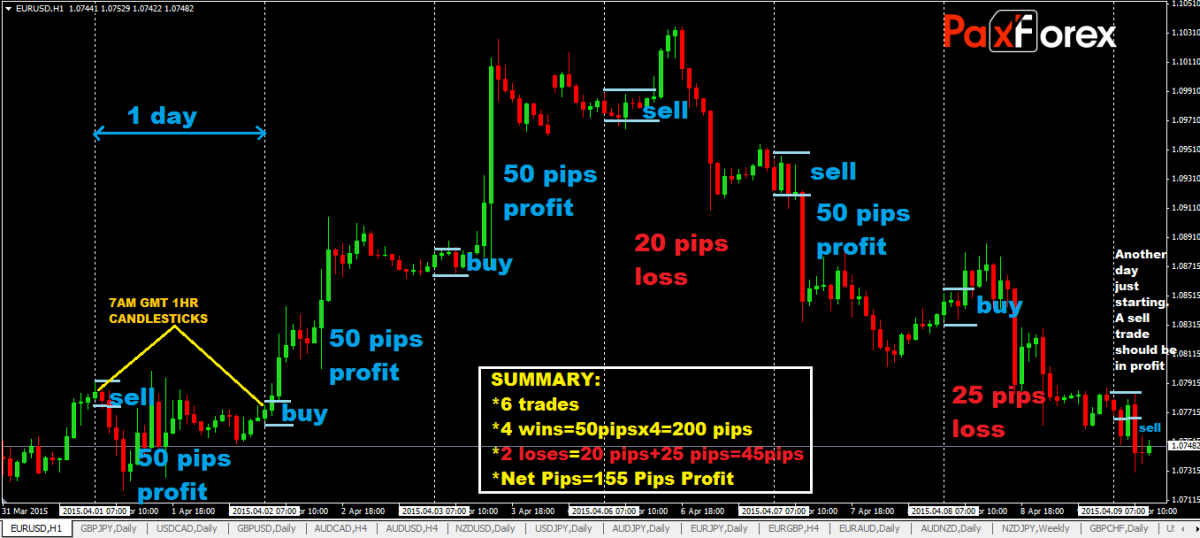
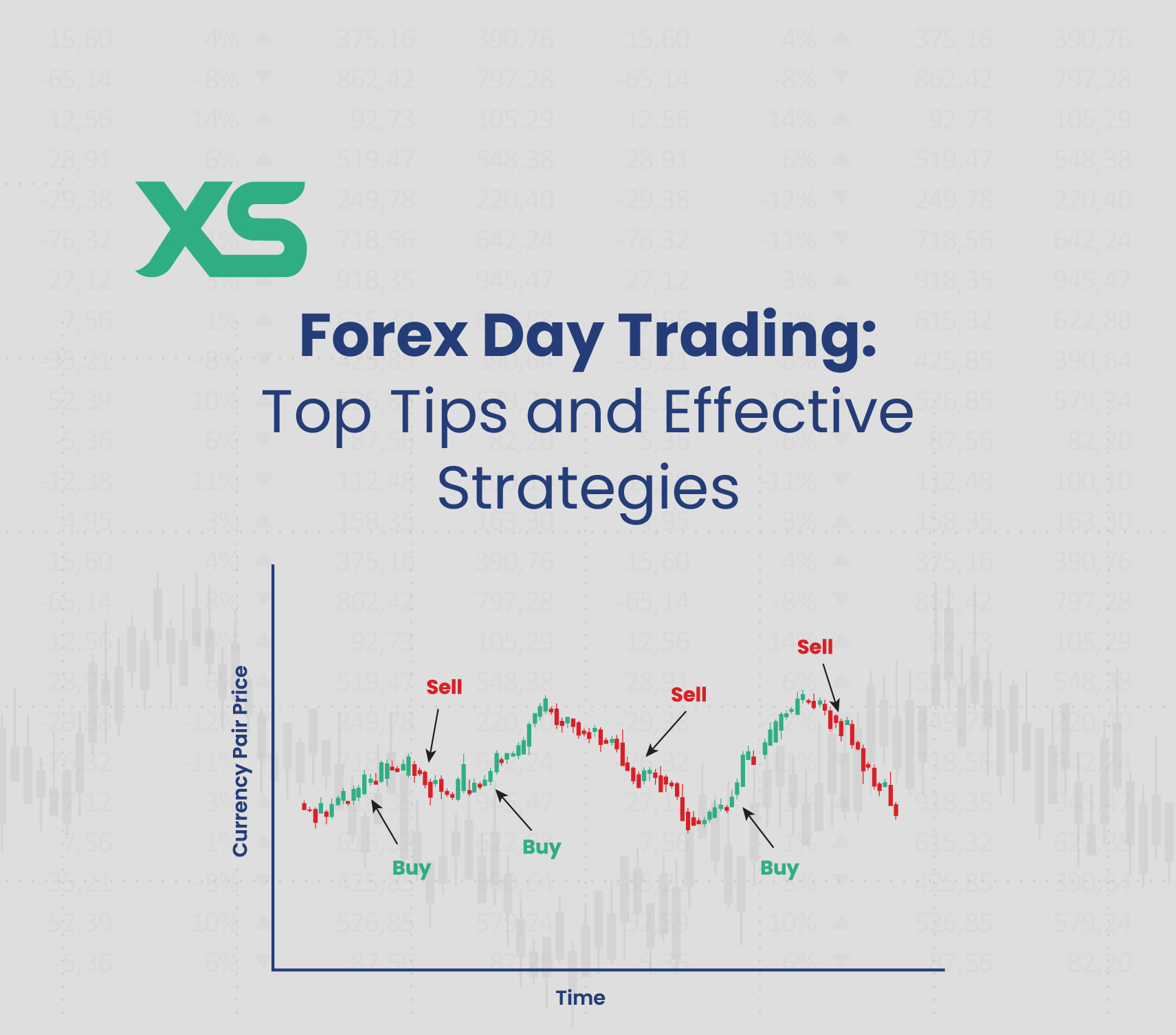
Day trading forex means opening and closing currency pair positions within a single trading day to capture small price movements, and you start by picking a regulated broker, practicing on a demo account, applying basic strategies like scalping or breakouts, while using stop-losses to control risks from leverage and volatility. This approach suits active traders who monitor charts closely. You focus on high-liquidity pairs like EUR/USD or GBP/USD during peak sessions. Success comes from discipline, not luck. Many beginners jump in without preparation, but a structured path changes that.
Getting started requires a step-by-step process: choose an MT4 or MT5 broker, verify your account, deposit at least $500-$1,000, and test strategies on demo before live trading. This builds confidence without real losses. Regulated brokers ensure fund safety through bodies like the FCA or ASIC.
Effective strategies include scalping for quick profits on tiny moves and breakout trading on price surges, both relying on technical indicators like moving averages. These methods work in the forex market’s constant flow, letting you trade multiple times daily.
Ready to build skills? The sections below break down definitions, steps, requirements, strategies, risks, and management techniques so you trade smarter from day one.
What Is Day Trading Forex?
Day trading forex is buying and selling currency pairs like EUR/USD within one trading session to profit from intraday price swings, distinct from longer-term styles by its short holds and high trade frequency. Let’s explore this further.
Day trading forex thrives on the market’s nonstop action. You enter and exit trades before the daily close, often in minutes or hours. This avoids overnight gaps from news events. Think of it as sprinting in a marathon world.
How Does Day Trading Forex Differ from Swing Trading?
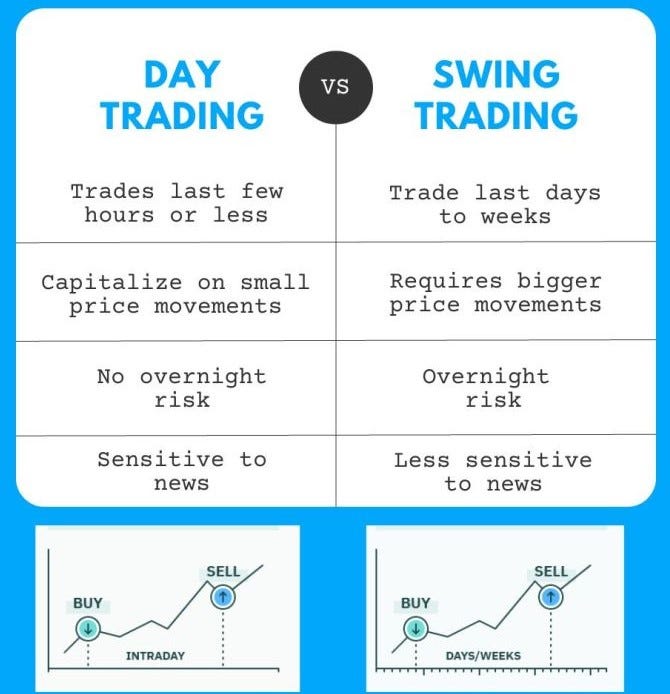
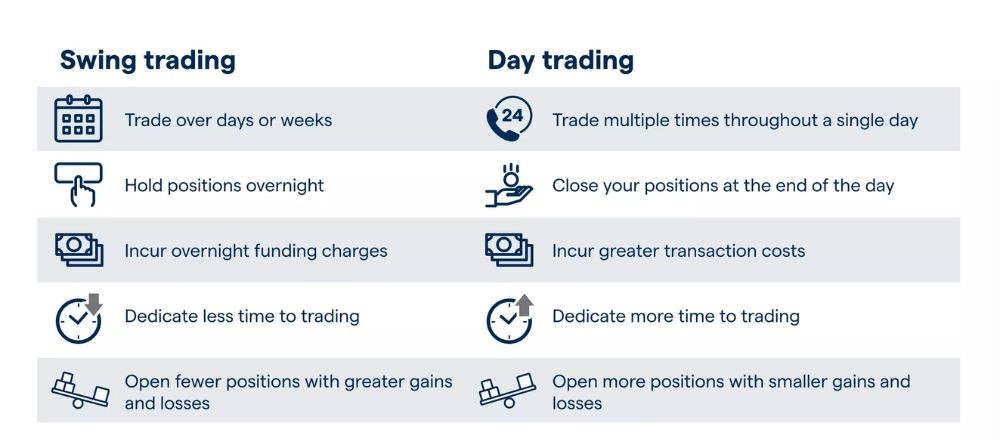
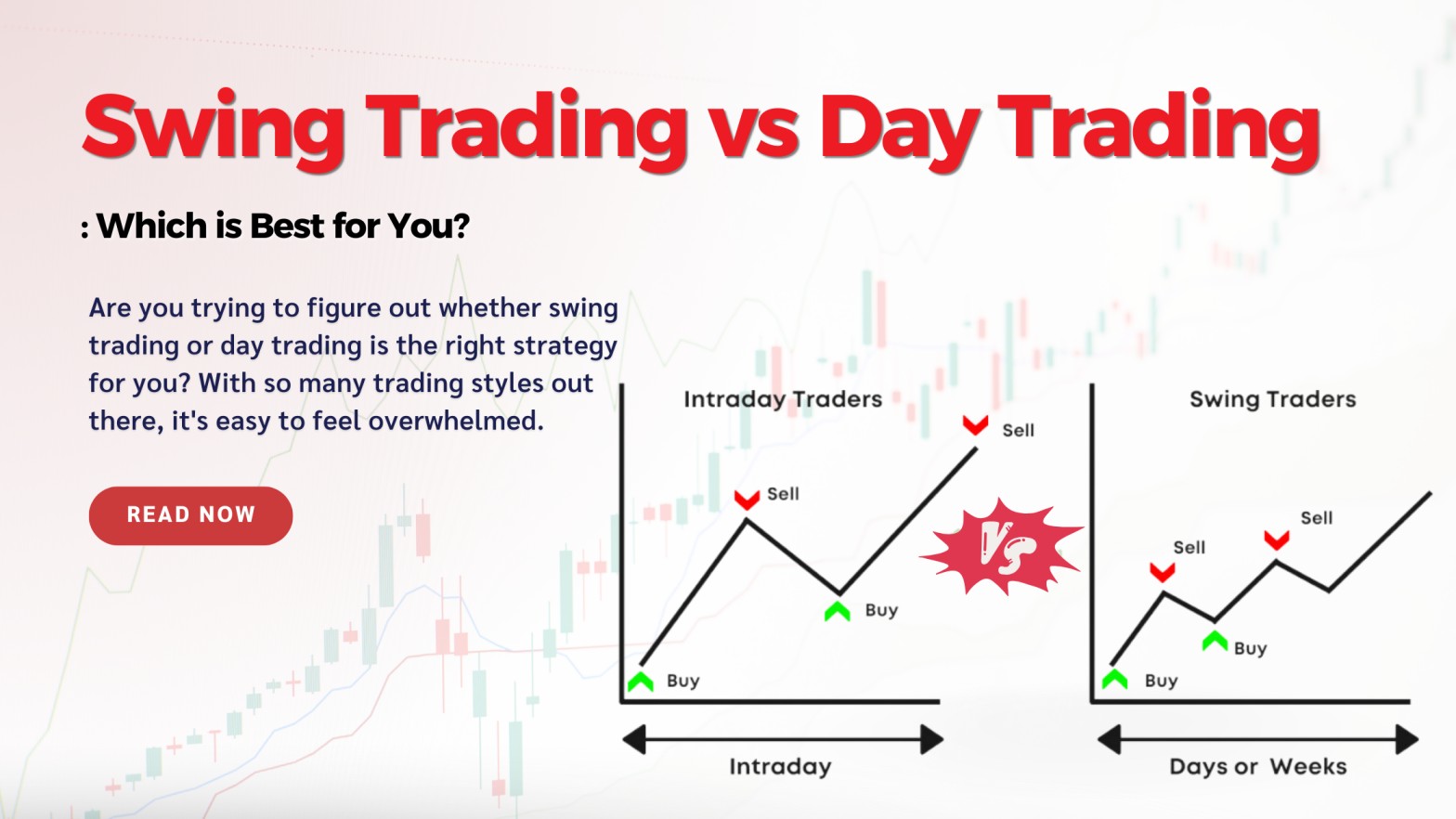
Day trading forex focuses on minutes-to-hours holds for quick profits, while swing trading targets days-to-weeks on larger trends. Specifically, day trading demands screen time during sessions like London-New York overlap. Swing traders check charts less often.
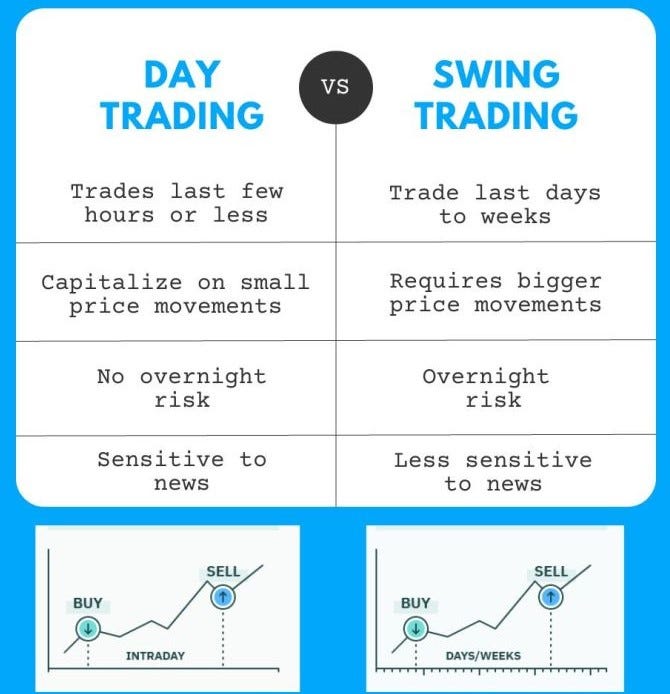
Holding periods set them apart. Day traders close everything by session end to dodge rollover fees and surprises. Swing traders hold through nights, capturing multi-day swings but risking news shocks. For example, a day trader might scalp 10 pips on EUR/USD five times daily. A swing trader waits for 100 pips over three days.
Objectives differ too. Day trading chases frequent small wins, aiming for 1-2% daily returns compounded. Swing trading seeks bigger moves from fundamentals like interest rates. Data from brokers shows day traders average more trades (50-100 weekly) versus swing’s 5-10.
You’ll notice day trading fits full-time schedules, but it needs fast decisions. Swing offers flexibility for part-timers. Both use charts, yet day trading leans on tick data for precision.
Why Is the Forex Market Ideal for Day Trading?
The forex market supports day trading through 24/5 access, massive liquidity over $6 trillion daily, and steady volatility in major pairs. In detail, no central exchange means constant trading from Sydney to New York.
Liquidity keeps spreads tight, vital for quick entries. Majors like USD/JPY see billions in volume, letting you enter $10,000 positions without slippage. Volatility from economic releases creates 50-100 pip moves hourly, perfect for scalps.
For instance, non-farm payrolls spark USD swings, ideal for breakouts. Compare to stocks: forex lacks halts, runs weekends indirectly via cryptos, but focuses weekdays. BIS data confirms forex’s 88% institutional volume aids retail day traders.
This setup lowers barriers. You trade micro-lots from $100 accounts. Ever wonder why pros flock here? Low costs and leverage up to 1:500 amplify small moves safely with stops.
Day trading forex demands focus, but the market rewards it with opportunities unavailable elsewhere. Pair this with discipline for consistent edges.
How Do You Start Day Trading Forex?
Start day trading forex by selecting a regulated MT4/MT5 broker, opening a demo account, learning pips and leverage, funding $1,000 minimum, and placing your first live trade after practice in seven steps. Here’s the breakdown to launch smoothly.
First, educate yourself on basics like currency pairs. Majors offer tight spreads. Then pick a broker.
What Broker and Platform Should You Choose for Day Trading Forex?
Choose MT4 or MT5 brokers like IC Markets or Pepperstone with low spreads under 0.5 pips, high leverage up to 1:500, and fast execution under 50ms. For example, look for ASIC or CySEC regulation to protect deposits up to $1 million.
Criteria matter most. Spreads on EUR/USD should average 0.1-0.3 pips for scalping viability. Execution speed prevents requotes in volatile opens. IC Markets excels here with ECN pricing, routing orders directly to banks.
Demo accounts mirror live conditions for testing. Mobile apps let you trade on phones. Additional tools like one-click trading speed entries. User reviews on Forex Peace Army rate Pepperstone high for no dealing desk interference.
Minimum deposits start at $200, but $1,000 ensures position flexibility. Avoid offshore brokers lacking oversight. Ever tried a slow platform? It kills day trading edges.
Pepperstone’s MT5 supports 80+ indicators for strategies. This setup costs pennies per trade, letting profits compound.
What Minimum Capital Is Needed for Day Trading Forex?
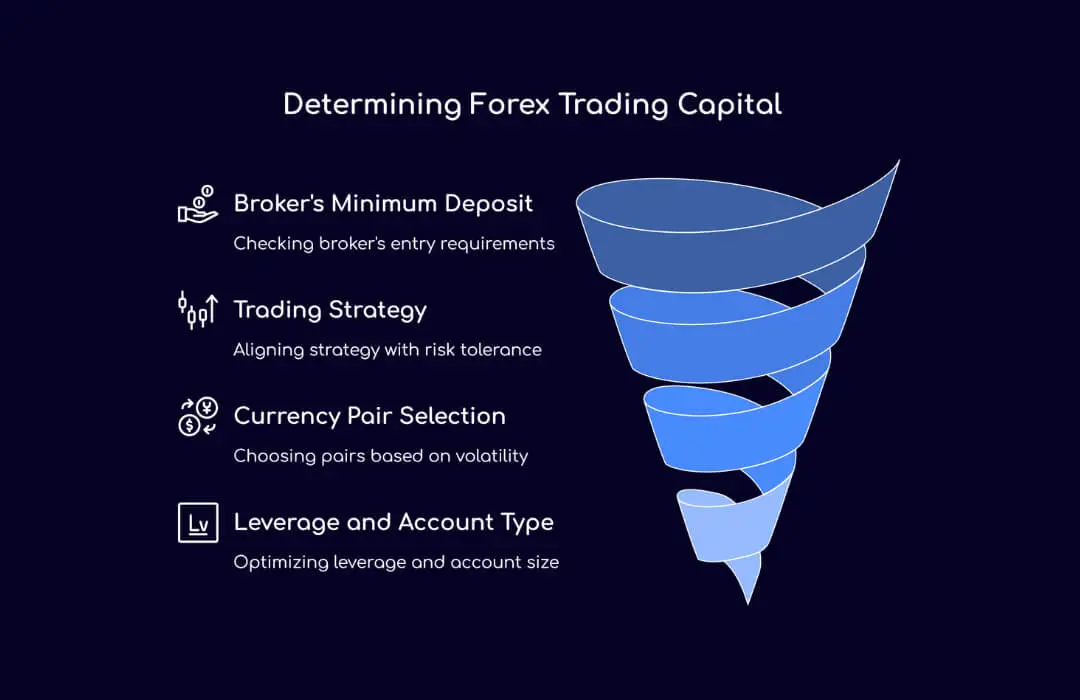
Minimum capital for day trading forex sits at $500-$2,000 for micro accounts, scaling with leverage to control $50,000+ positions risk-free. Discuss leverage next.
Leverage multiplies funds: 1:100 turns $1,000 into $100,000 exposure. But start small to learn. US rules cap at 1:50, elsewhere 1:500.
Account sizes vary. $500 handles 0.01 lots on GBP/USD with 1% risk. Pros use $10,000+ for multiples. Regulators like NFA mandate pattern day trader rules over $25,000 for stocks, but forex skips this.
For instance, risk $10 per trade on $1,000 (1%). Leverage covers margins at 1-2%. Data from Myfxbook shows undercapitalized accounts blow fastest.
Build gradually. Add profits before scaling. This prevents margin calls when trades gap against you.
Capital funds your edge. Pair it with free broker education for faster ramps.
Follow these steps: 1. Research brokers via demo. 2. Verify identity. 3. Deposit via card or wire. 4. Set leverage conservatively. 5. Trade micro lots. 6. Track journal. 7. Go live post-100 demo trades. Patience pays here.
What Are the Key Requirements for Successful Day Trading Forex?
Successful day trading forex needs a quiet setup with dual monitors, fast internet, technical analysis skills, emotional discipline, and ongoing journaling based on price action focus. To understand this better, let’s outline each.
A solid setup starts hardware. Reliable PC avoids crashes mid-trade. Internet under 50ms ping to servers matters.
Skills build over time. Master candlesticks first.
Do You Need a Demo Account Before Day Trading Forex?
Demo accounts build real skills risk-free by simulating live conditions, testing strategies, and fixing errors before funding live accounts. Benefits shine in practice.

Practice reveals weaknesses. Trade 1,000 hours to internalize patterns without loss. Brokers like XM offer unlimited demos with virtual $100,000.
For example, test scalping on news: demo shows slippage impacts. Track win rates above 60% before switching.
Psychological edges form too. Demo curbs overtrading urges. Studies from TradingView users confirm 70% improve post-demo.
Transition seamlessly: download from broker sites, use same login as live. Rhetorical question: why risk cash learning basics?
Demos include historical replays for backtesting. Pair with journals noting setups. This requirement separates pros from gamblers.
What Education Is Essential for Day Trading Forex?
Essential education covers pips (0.0001 price moves), lots (trade sizes from 0.01 micro), spreads (buy-sell gaps), and leverage mechanics. Core concepts form your base.
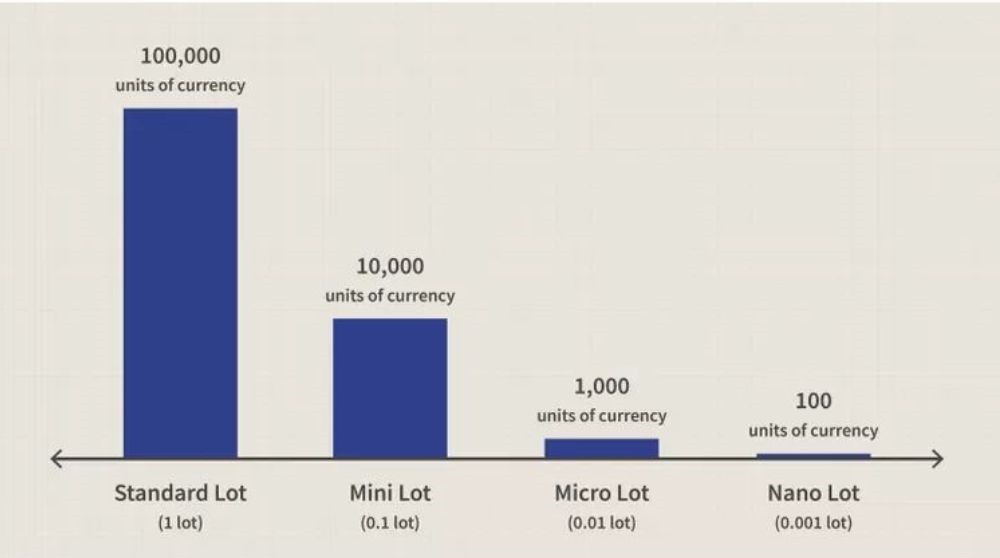
Pips measure profit: 10-pip win on 0.01 lot equals $1. Lots scale: standard is 100,000 units. Spreads cost 1-2 pips per trade, so low-spread brokers save.
Learn via Babypips free course or broker webinars. Understand margin: $1,000 at 1:100 controls $100,000, but 2% drop wipes it without stops.
For instance, EUR/USD spread at 0.6 pips means breakeven needs 1-pip edge. Volatility indexes like ATR guide stops.
Books like “Trading in the Zone” teach mindset. Forums like Forex Factory share live trades.
Daily routine: review economic calendars for releases. This knowledge turns random entries into edges.
What Are the Best Basic Strategies for Day Trading Forex?
Best basic strategies for day trading forex are scalping, breakout trading, and momentum following, grouped by time frame and indicator reliance. Let’s see how they work.
Scalping grabs 5-20 pips repeatedly. Breakouts ride new highs.
What Is Scalping in Forex Day Trading?
Scalping in forex day trading involves dozens of high-frequency trades holding seconds to minutes for 5-10 pips each, using tight stops and one-minute charts. Specifically, it suits high-liquidity sessions.

Enter on pullbacks to moving averages. Exit at first resistance. Tools: 5-period EMA, RSI under 30 for buys.
For example, on AUD/USD, buy dips in uptrends during Asia. Volume spikes confirm. Brokers report scalpers average 20-50 trades daily.
Risk 0.5% per trade. Automation via EAs speeds it. Ever seen a scalper’s screen? Pure action.
Data from Dukascopy shows 1:2 risk-reward yields 1-3% days.
What Is Breakout Trading for Forex Day Trading?
Breakout trading for forex day trading catches price surges beyond key levels like daily highs, confirmed by volume and 15-minute closes. For instance, trade London opens.

Identify ranges pre-session. Buy above resistance with stop below. Targets: range width projected.
EUR/GBP breakouts post-Brexit news exemplify. Use Bollinger Bands squeeze for setups. False breaks happen 40%, so wait retests.
Myfxbook stats: 55% win rate with 1:3 reward nets positives. Sessions matter: avoid low-volume Asia.
Combine with news for boosts. This strategy fits patient day traders.
What Are the Main Risks of Day Trading Forex?
Main risks of day trading forex include high leverage losses, market volatility whipsaws, emotional overtrading, and broker issues like slippage. Highlight these to trade aware.
Leverage tempts oversizing. Volatility from data spikes 100 pips. Emotions lead to revenge trades.
How Does Leverage Amplify Risks in Forex Day Trading?
Leverage amplifies risks in forex day trading by magnifying losses beyond deposits, triggering margin calls and account wipes on small adverse moves. Explain with examples.

1:500 turns $100 into $50,000 exposure. 0.2% against equals $100 loss, gone instantly.
Margin calls force closes at lows. FIFO rules in US add pain. For instance, GBP/USD flash crash wiped leveraged longs.
NFA data: 70% retail accounts lose yearly, leverage chief culprit. Use 1:50 max initially.
Counter with position sizing. Rhetorical: think leverage helps, or hurts undisciplined?
How Do You Manage Risks When Day Trading Forex?
Manage risks in day trading forex through position sizing under 1-2% account risk, always using stop-losses 10-20 pips away, and strict daily loss limits like three losers. Position sizing leads.
Daily rules prevent tilt: stop after 3% drawdown.
What Is the 1% Risk Rule in Forex Day Trading?
The 1% risk rule in forex day trading limits each trade loss to 1% of capital, like $10 on $1,000, preserving accounts through strings of losers. Practical control via sizing.

Calculate: stop distance divided into 1%. 20-pip stop on EUR/USD means 0.05 lots for $1,000.
Preserves longevity: 100 losers still leave capital. Pros swear by it per Van Tharp studies.
For example, five losers cost 5%, recoverable. Journal enforces.
Trail stops lock profits. Pair with 1:2 reward minimum.
This rule, plus no-trade zones post-losses, builds sustainability. What if every trade followed it?
Advanced and Related Questions About Day Trading Forex
Day trading forex demands mastery of optimal currency pairs, technical indicators, news events, market comparisons, mental discipline, strategy testing, and tax rules to achieve consistent results.
In addition, these elements address common follow-up concerns that build on basic strategies.
What Are the Best Forex Pairs for Day Trading?
Major pairs dominate day trading due to their high liquidity and tight spreads, which minimize slippage during fast entries and exits. EUR/USD stands out as the top choice, handling over 20% of global forex volume with average spreads under 1 pip. Traders favor it for predictable movements driven by US and Eurozone data. GBP/JPY appeals to aggressive day traders seeking volatility, often swinging 100 pips daily from yen carry trades and UK economic news.
You’ll notice pair selection hinges on your style. Scalpers prefer low-volatility pairs like USD/JPY for quick trades, while momentum traders chase AUD/USD during Asian sessions. Always check average true range (ATR) to match volatility to your risk tolerance.
Pair selection also ties to session overlaps. London-New York overlap boosts EUR/USD and GBP/USD action.
This approach reduces costs and improves win rates.
- Focus on majors to avoid wide spreads in exotics like USD/TRY.
- Track economic calendars for pair-specific catalysts.
- Use demo accounts to test pairs before live trading.
What Technical Indicators Are Essential for Forex Day Trading?
Moving averages (MAs), RSI, and MACD form the core toolkit for forex day traders, providing trend, momentum, and overbought signals on 5-15 minute charts. Simple moving average (SMA) crossovers, like 50-period over 200-period, signal entries during trends. RSI (14-period) identifies reversals above 70 (overbought) or below 30 (oversold), preventing trades against momentum.
MACD excels in divergence detection, where histogram shifts precede price turns. Combine them: Enter long on MA golden cross with RSI above 50 and MACD bullish crossover.
These tools shine in ranging or trending markets but require confluence. Backed by data from TradingView, strategies using this trio yield 10-15% higher accuracy than single indicators.
Day traders adapt settings for pairs, tightening RSI to 9-period for volatile GBP/JPY.
Mastery comes from layering indicators without overload.
- Customize periods: 20/50 MA for scalping.
- Confirm with volume or candlestick patterns.
- Avoid repainting indicators like some ZigZags.
How Does News Trading Impact Forex Day Trading?
News trading triggers sharp volatility spikes from releases like US Non-Farm Payrolls (NFP) or ECB rate decisions, amplifying pip moves by 5-10 times normal levels. Positive surprises strengthen currencies instantly, ideal for breakout strategies on EUR/USD.
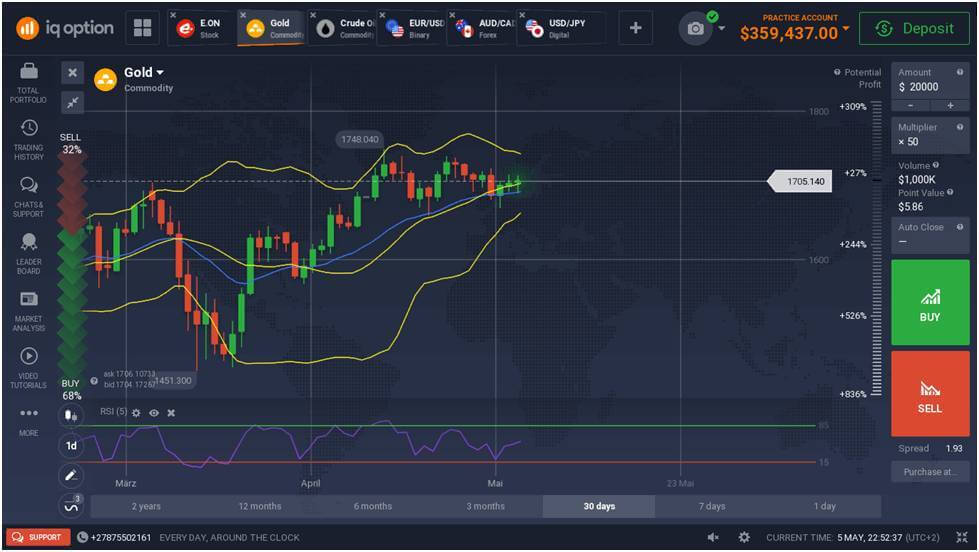
Expect bidirectional whipsaws pre-news, then trends post-release. Volatility index (VIX) analogs like forex implied volatility rise 20-50% around events.
Integrate by avoiding trades 30 minutes before majors or using straddle orders. A BabyPips study shows news-aligned trades boost short-term profits by 25%, but slippage erodes gains without limit orders.
Event-based trading complements technicals during quiet sessions.
- Prioritize high-impact news via Forex Factory calendar.
- Scale position sizes down during spikes.
- Review post-event charts for pattern confirmation.
Is Day Trading Forex Profitable Compared to Stock Day Trading?
Forex day trading offers higher liquidity and 24/5 access but lower average win rates than stocks due to leverage risks. Forex markets process $7.5 trillion daily versus $500 billion in US stocks, enabling instant fills. Costs favor forex with 0.1-pip commissions over stock PDT rules limiting under $25K accounts.
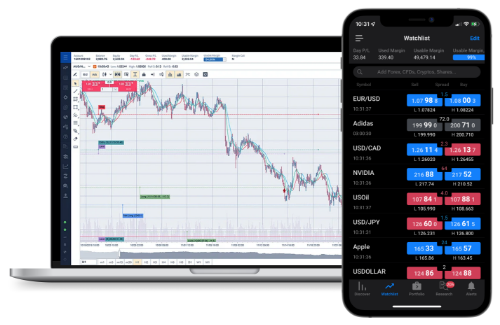
Win rates hover at 40-60% for both, yet forex leverage (50:1) magnifies losses, per ESMA data showing 70-80% retail losses. Stocks provide earnings catalysts absent in forex pairs.
Forex suits global schedules, stocks excel in gap plays.
Cross-market comparison reveals forex’s edge in low barriers.
- Forex: No pattern day trader rule, micro-lots start small.
- Stocks: Higher shorting costs, sector rotations.
- Hybrid: Trade forex mornings, stocks afternoons.
What Role Does Trading Psychology Play in Forex Day Trading?
Trading psychology governs 80% of forex day trading success through discipline in sticking to plans amid greed and fear. Fear prompts early exits on winners, greed chases losses via over-sizing.
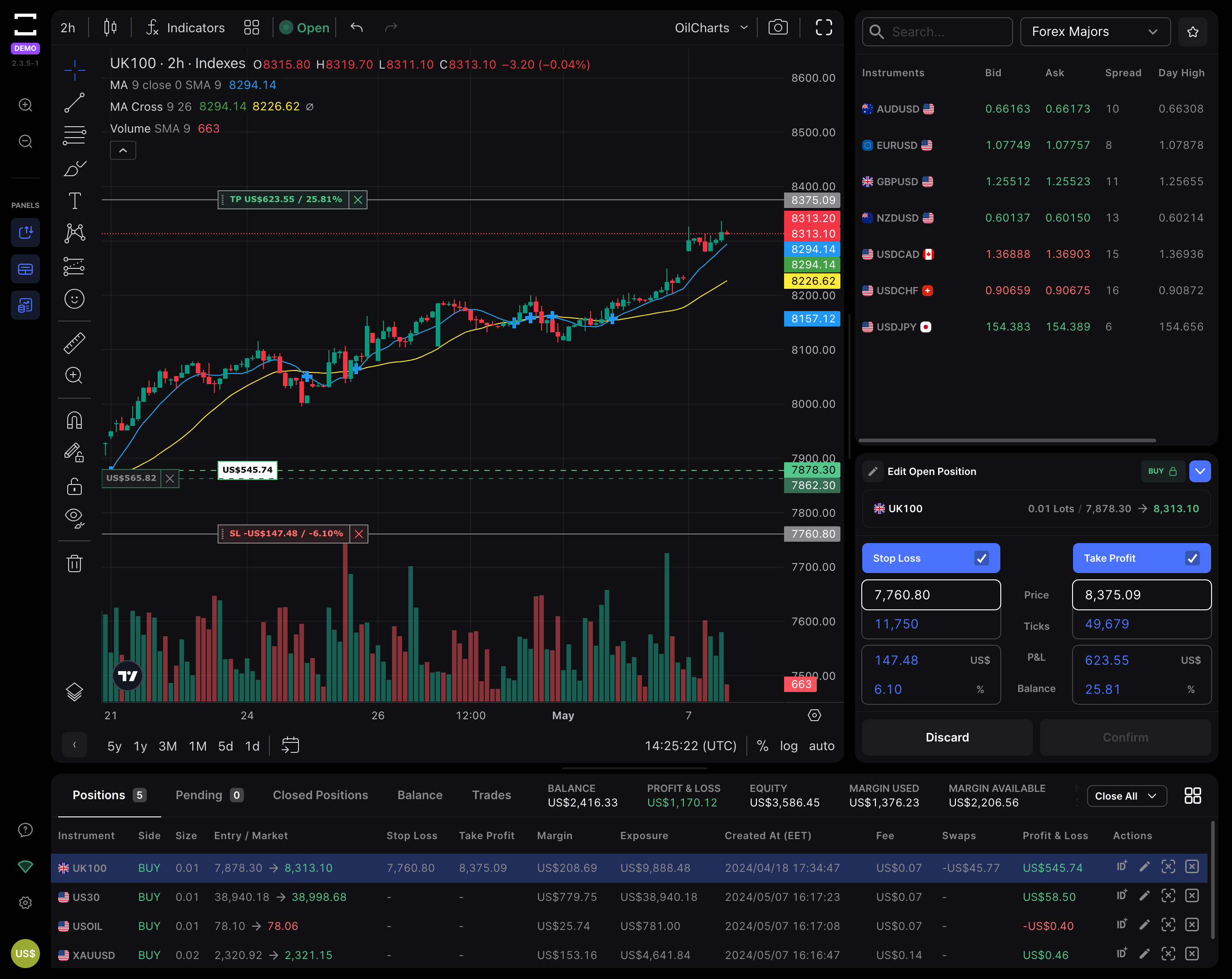
Manage with journaling trades and 1-2% risk rules. Mark Douglas’s principles stress process over outcome, reducing tilt after drawdowns.
Studies from the Journal of Behavioral Finance link emotional control to 30% profit variance. Use meditation apps pre-session.
Mental factors amplify in 24-hour markets with sleep disruptions.
- Set daily loss limits to curb revenge trading.
- Visualize setups to build confidence.
- Review psychology weekly via trade logs.
How Do You Backtest Forex Day Trading Strategies?
Backtest forex strategies using historical data in platforms like MetaTrader 4/5 to validate win rates and drawdowns over 1,000 trades. Download tick data from Dukascopy, import to MT5 strategy tester.
.webp)
Manual walk-forward testing simulates real conditions, adjusting for slippage. Aim for Sharpe ratio above 1.5.
QuantConnect or Python (Backtrader library) automates for custom indicators like MACD tweaks.
Strategy validation catches flaws pre-live.
- Test across pairs and sessions for robustness.
- Forward test on demo after backtest.
- Optimize sparingly to avoid curve-fitting.
What Are the Tax Implications of Day Trading Forex?
Forex day trading profits count as short-term capital gains, taxed at ordinary income rates varying by country like 15-37% in the US. US traders report via Form 8949; Section 988 treats forex as ordinary income without 60/40 split.

UK residents face 10-20% CGT above £12,300 allowance. Australia taxes at marginal rates up to 45%.
Track every trade with broker statements for IRS audits. Offshore accounts trigger FBAR reporting.
Regulatory nuances demand professional advice.
- US: Mark-to-market election for traders.
- EU: MiFID II logs required.
- Consult CPAs for deductions like platform fees.