









Blog
Do You Have to Pay Taxes on Forex Trading Profits?


If you’re like me, the first time you made a profit trading forex, you probably celebrated — and then wondered, “Wait… do I owe taxes on this?” It’s one of those overlooked realities that hits hard once you’re no longer just testing EAs on a demo account and start earning real money.
Let’s be honest — forex trading already demands focus, discipline, and strategy. The last thing we want is a surprise tax bill or a compliance issue that could have been avoided with some basic know-how. And trust me, I’ve been there, scrambling through broker statements days before a tax deadline.
So let’s cut through the confusion. In this article, I’ll walk you through what you need to know about taxes on forex trading profits — globally, not just from a US or UK perspective.
What We’ll Cover
- How forex profits are taxed in different countries
- When you need to report forex income
- Differences between income tax and capital gains
- Tax treatment for automated EA and copy trading
- Smart ways to reduce your tax liability
Let’s turn confusion into clarity. By the end, you’ll understand not just what to do, but why it matters — and how it can affect your long-term trading success. Plus, I’ll share a real example of how I navigated tax reporting using EAs.
How Forex Trading is Taxed Globally
Forex Profits: Capital Gains or Income Tax?
Depending on where you live and how you trade, your forex profits can be taxed either as income or capital gains. In the UK, for instance, if you’re trading casually or part-time, gains might fall under Capital Gains Tax (CGT), which has thresholds and exemptions. But once you cross into full-time or self-employed territory, it shifts into income tax territory — and you’ll need to file accordingly with HMRC.
In the US, it’s even more layered. Spot forex trading typically falls under Section 988 of the Internal Revenue Code — meaning your gains are taxed as ordinary income. That can go as high as 37% depending on your bracket. But if you’re trading forex futures or options, you could opt into Section 1256, which offers a favorable 60/40 tax split between long- and short-term gains.
Here’s a quick contrast:
- UK: Spread betting is tax-free, but CFDs may be taxed as capital gains
- US: Spot forex is ordinary income unless 1256 election is made
- Australia: Treated as ordinary income for active traders, CGT for investors
- Canada: Capital gains for most, unless trading is frequent (then income)
As you can see, there’s no one-size-fits-all answer. And you don’t want to be the trader who finds that out after an audit.
Spot, Futures, CFDs & EAs: How Style Affects Tax
I remember getting my first tax shock after running a few profitable months with an EA. I had assumed — incorrectly — that since it was automated, it wouldn’t count the same as manual trades. But no matter how you place the trades — via copy trading, Expert Advisor, or signal service — the tax man sees one thing: realized profit.
Here’s the breakdown:
- Spot trading: Taxed as income (US IRC 988)
- Forex futures/options: Eligible for 1256 60/40 split
- CFDs: Often capital gains, unless it’s your primary income
- EAs/robots: Income or capital gains, depending on your jurisdiction
- Copy trading platforms: Taxed like regular trades — you’re still the account owner
If you’re using MetaTrader platforms with EAs, it’s crucial to track realized gains, not just account balance changes.
Key Forex Tax Rules by Country
United Kingdom
In the UK, the tax treatment depends on how HMRC classifies your trading activity:
If you’re a hobbyist or side trader, profits under £1,000 fall under the trading allowance — no tax needed. Go beyond that, and you’ll need to report the profit on a self-assessment form. If you’re a self-employed trader, you must register with HMRC, file annual returns, and pay National Insurance as well as income tax on your net profits.
What about spread betting? Good news — it’s generally tax-free if you’re not doing it professionally. But once you go full-time, even that could change. Always check with a tax advisor.
United States
The IRS is very clear: forex is taxable. Spot trading is usually filed under IRC 988 — ordinary income, reported via Form 4797. But traders using futures can opt for Section 1256, which offers a tax benefit: 60% long-term capital gains, 40% short-term.
If you’re trading actively, you may qualify for Trader Tax Status (TTS). I’ve considered this myself, and the paperwork is real — but the tax benefits (like expense deductions) can be worth it. You’ll need to file a timely election and follow strict rules to qualify.

Canada, Australia, and EU
Canada taxes forex gains as capital gains unless you trade like a business — then it’s income. Australia uses a similar logic: casual traders pay CGT, while full-timers pay income tax. European Union countries vary widely. Germany, for example, considers forex speculative and applies capital gains after a certain threshold.
No matter where you live, the golden rule is this: if you’re profiting, you’re probably taxable. Consult local tax laws or a professional to be sure.
When and How to Report Forex Profits
When Are Forex Profits Considered “Realized”?
Here’s something I wish I knew early on: your profits are usually considered “realized” the moment you close a trade — not when you withdraw funds. That means even if you’re rolling profits into your next trade or letting them sit in your account, they may still be taxable. I learned this the hard way when I assumed profits in my MT4 account didn’t count until I moved them to my bank. Spoiler: the IRS disagreed.
In most countries, tax is due on closed trades within the tax year. Keep that in mind if you’re planning to let positions run — or using automated systems that execute hundreds of trades a month.
Keeping Clean Records is Critical
Forex brokers don’t always give you clean year-end summaries. That’s why I started keeping a separate spreadsheet with:
- Trade entry and exit dates
- Pair traded and lot size
- Profit/loss on each trade
- Currency conversion notes if trading in non-base currency
If you’re using a trading robot or Expert Advisor (EA), you’ll want to export your MT4/MT5 trade history monthly. I personally automate this as part of my trading routine — just like backtesting strategies.
Hiring a Forex-Savvy Accountant
I’ll say this plainly: once your trades start bringing in consistent income, get an accountant who understands forex. Mine caught a reporting error that could have cost me over $2,000 in penalties. They’ll also help you with entity structuring (like whether you should register as a sole trader or LLC), and handle gray areas like tax on PAMM accounts or social trading platforms.
And don’t forget — in the UK, you’ll need to file your self-assessment tax return if you’re above the £1,000 allowance. In the US, you’ll likely use Form 8949 or 4797, depending on your classification.
Business vs. Personal Forex Trading
Should You Register as a Business?
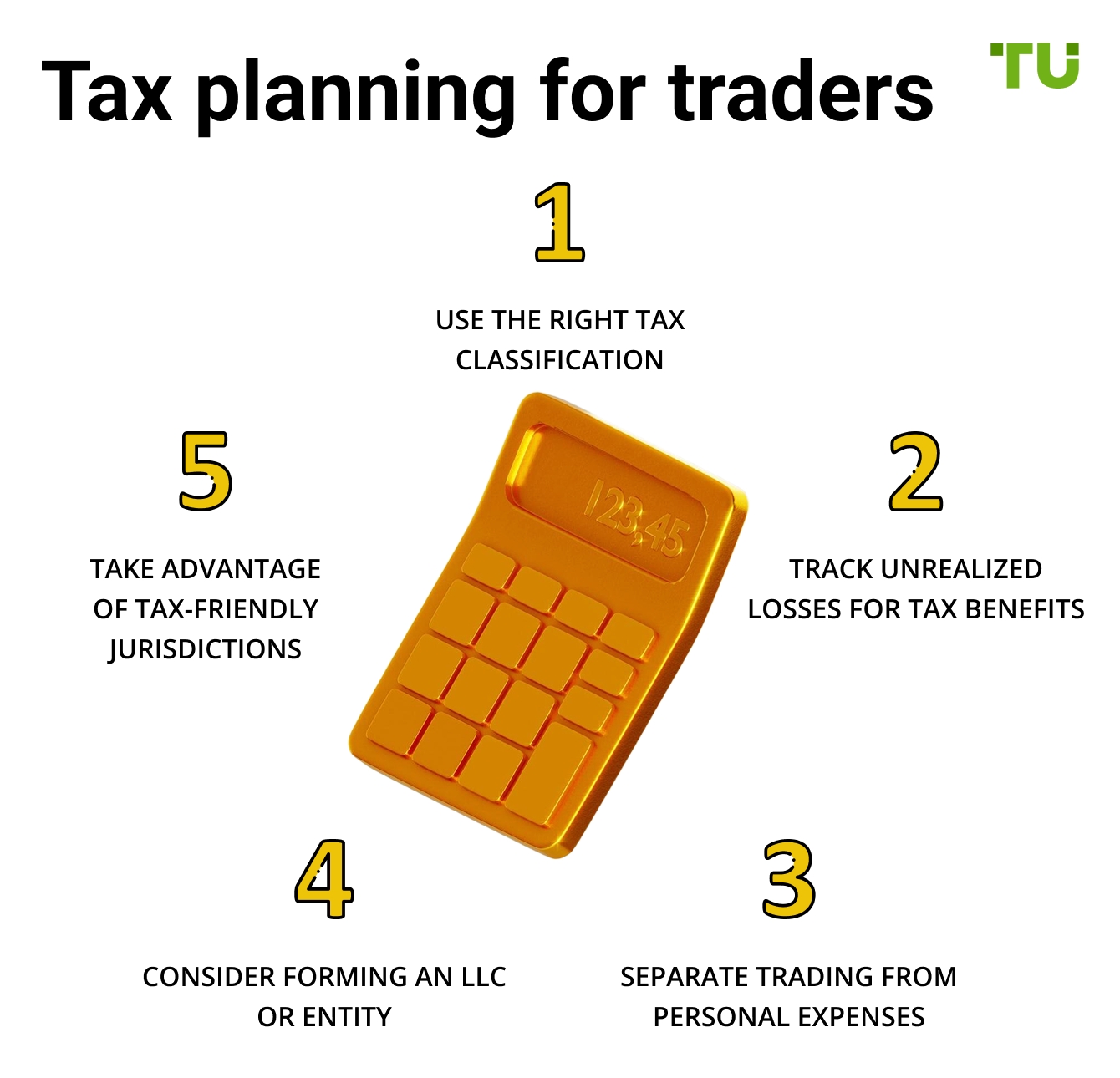
When I crossed a certain threshold in profits, I started looking into whether I should register my trading as a business. In the US, that meant considering LLC or S-Corp status. The upside? Deductible expenses like VPS hosting, EA licenses, even a portion of my home office. But the downside? More paperwork and stricter recordkeeping.
In the UK and Australia, sole trader registration is simpler, but still means you’re officially in business — and will be taxed accordingly. If you’re running multiple EAs, investing in tools, or planning to scale, it’s worth exploring.
Claiming Expenses as a Trader
Here’s what I’ve successfully claimed over the years (after verifying with my tax pro):
- VPS subscription
- MT4/MT5 EA from ShopForexEA.com
- Forex education materials
- Internet and software expenses
But don’t just take my word for it — document everything and consult a tax professional. Some countries are strict about what counts as a “business expense.”
How to Reduce Your Forex Tax Liability
Know Your Allowances and Exemptions
Every country offers some breathing room. In the UK, there’s a £6,000 capital gains allowance (as of 2023/24). In the US, long-term gains can get favorable rates. I always time my EA updates and forward testing around Q4 to manage year-end tax loads better. Sounds geeky? Maybe. But it saves money.
Using Losses to Offset Gains
One year, I had a fantastic EA that ran hot all summer — then stumbled in October. The upside? I could carry that loss forward to offset next year’s gains. It’s called a capital loss carryforward, and in many tax codes, it’s gold.
If you’re not logging both your wins and your losses, you’re leaving money on the table — or worse, overpaying taxes.
Plan Smart With Tools and Timing
I now use a basic forex profit calculator with tax features to estimate my liabilities in advance. There are even platforms that sync with your MT4 account to generate reports. And every December, I look at my open positions — sometimes I close a few losers just to optimize my tax position.

FAQ: Forex Trading and Taxes
Do I pay tax if I only use demo accounts?
No. Demo trading is simulated and involves no real money — so there are no taxable gains or losses. I always test EAs in demo mode first, and it’s a smart way to refine strategies before real stakes are involved.
What’s the difference between spread betting and forex trading tax-wise?
In the UK, spread betting is generally tax-free — no income tax, no capital gains tax. But it’s only legal in certain countries. And if you start doing it professionally, HMRC may still come knocking.
How do I track taxes when using automated forex robots?
Export your trade logs from MT4 or MT5 monthly. Use spreadsheets or tools like Myfxbook, TradeLog, or journal apps. I also tag trades by strategy to track which EA is responsible for which profit. It’s a game-changer come tax season.
Is forex trading income or capital gains?
It depends on your country and trading activity. If you’re trading full-time, most tax agencies will treat it as income. Occasional traders may be able to report it as capital gains. Always check with a tax expert in your jurisdiction.
When should I hire a forex tax advisor?
If your yearly trading profit crosses into four figures, or you’re trading full-time or using multiple accounts, it’s time. I brought one on after a profitable Q1 and haven’t looked back. Their insights saved me far more than their fees.
The Bottom Line on Forex Taxes
We’ve covered a lot — and if you’ve read this far, give yourself credit. Taxes might not be glamorous, but they’re critical if you want to grow sustainably as a forex trader.
To recap:
- Forex profits are taxable in most countries
- How they’re taxed depends on your location, status, and trading style
- Recordkeeping, timing, and planning can minimize liability
- Automation (EAs, robots, copy trading) doesn’t exempt you from tax duties
Final takeaway? Don’t wait until the deadline to learn how taxes work. Be proactive. Treat your trading like a business. And if you’re using powerful tools, treat your reporting with just as much care. It’s not just about protecting your profits — it’s about protecting your future.
This article is for educational purposes and should not be construed as legal or tax advice. Always consult with a licensed professional in your country.