









Blog
Forex Trading Psychology: Controlling Emotions & Mindset

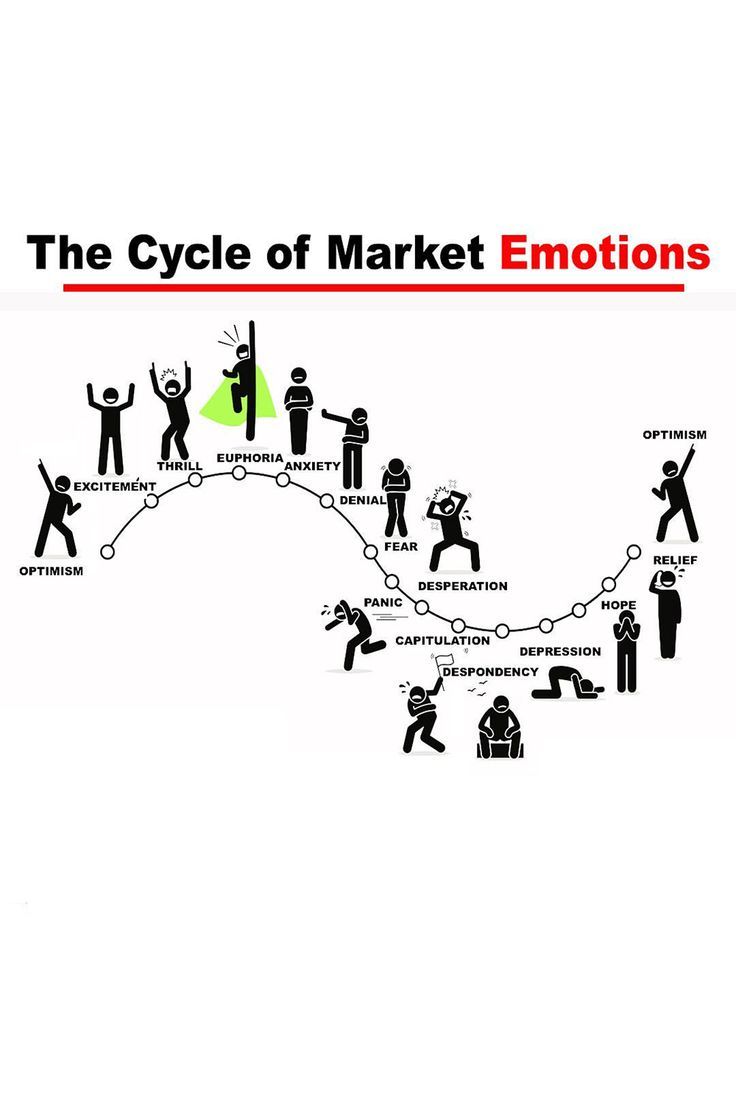
Understanding the Mental Game of Currency Trading
When I first started trading forex, I thought success was all about finding the perfect strategy. After losing half my account in three months, I realized something crucial: forex trading psychology determines 80% of your success, while strategy only accounts for 20%. This revelation changed everything.
Trading psychology isn’t just about “staying calm” – it’s about understanding how your brain works under pressure and developing systems to manage your emotional responses. Let me share what I’ve learned through thousands of trades and countless mistakes.
What Exactly Is Forex Trading Psychology?
Forex trading psychology refers to the mental and emotional aspects that influence your trading decisions. It encompasses your mindset, emotions, biases, and behavioral patterns that affect how you analyze markets, enter trades, and manage risk.
“The market is a device for transferring money from the impatient to the patient.” – Warren Buffett
Think of it this way: You can have the best Expert Advisor or trading strategy, but if you override it emotionally or fail to follow your rules, you’ll still lose money. I’ve seen traders with mediocre strategies succeed because they mastered their psychology, while others with excellent systems failed due to poor emotional control.
Why Trading Psychology Matters More Than You Think
Here’s a practical comparison that illustrates the importance:
| Trader A (Good Strategy, Poor Psychology) | Trader B (Average Strategy, Excellent Psychology) |
|---|---|
| Uses complex indicators and algorithms | Uses simple moving averages |
| Panics during drawdowns | Stays calm during losses |
| Revenge trades after losses | Follows predetermined rules |
| Changes strategy every month | Sticks to one approach consistently |
| Result: -30% after 6 months | Result: +15% after 6 months |
The Most Destructive Trading Emotions (And How to Control Them)
Let’s examine the primary emotions that sabotage traders and specific techniques to manage each one:
1. Fear: The Account Killer
Fear in forex trading manifests in multiple ways:
- Fear of losing money (leads to closing profitable trades too early)
- Fear of missing out (FOMO – causes impulsive entries)
- Fear of being wrong (prevents taking valid trades)
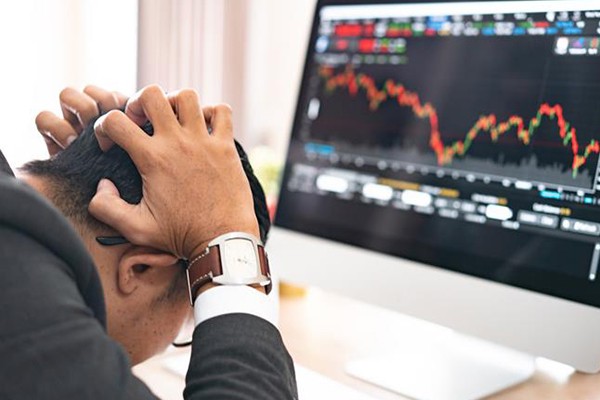
Practical Solution: I use what I call the “2% Peace of Mind Rule.” Never risk more than 2% of your account on a single trade. When you know your maximum loss is limited, fear loses its grip. Additionally, I use automated trading systems to execute trades without emotional interference.
2. Greed: The Profit Destroyer
Greed makes you:
- Hold winning trades too long (watching profits turn into losses)
- Increase position sizes recklessly
- Ignore exit signals hoping for “just a bit more”
Real Example: Last month, I was up 120 pips on EUR/USD. My target was 100 pips, but greed whispered, “It could go to 200.” I held on. The market reversed, and I closed at +30 pips. That’s 90 pips lost to greed.
Practical Solution: Set take-profit levels before entering trades and use trailing stops. I program these into my MT4/MT5 indicators so the decision is automated.
3. Hope: The Silent Account Drainer
Hope keeps you in losing trades, believing they’ll turn around. It’s particularly dangerous because it feels positive, unlike fear or anger.
“Hope is not a strategy in forex trading. It’s a recipe for disaster.”
Practical Solution: Use hard stops, not mental stops. When your stop-loss is hit, the trade closes automatically – no hope involved. Learn more about proper risk management from BabyPips’ risk management guide.
4. Revenge Trading: The Emotional Spiral
After a loss, your brain craves recovery. This leads to:
- Doubling position sizes
- Taking low-probability trades
- Abandoning your trading plan
Personal Story: In 2019, I lost $500 on a “sure thing” trade. Angry, I immediately entered another trade with double the lot size. Lost that too. By day’s end, I’d turned a $500 loss into $2,000. That’s when I implemented my “cooling-off period” rule.
Practical Solution: After any loss exceeding 2% of your account, step away for at least 2 hours. Use this time to analyze what went wrong objectively.
Building a Bulletproof Trading Mindset
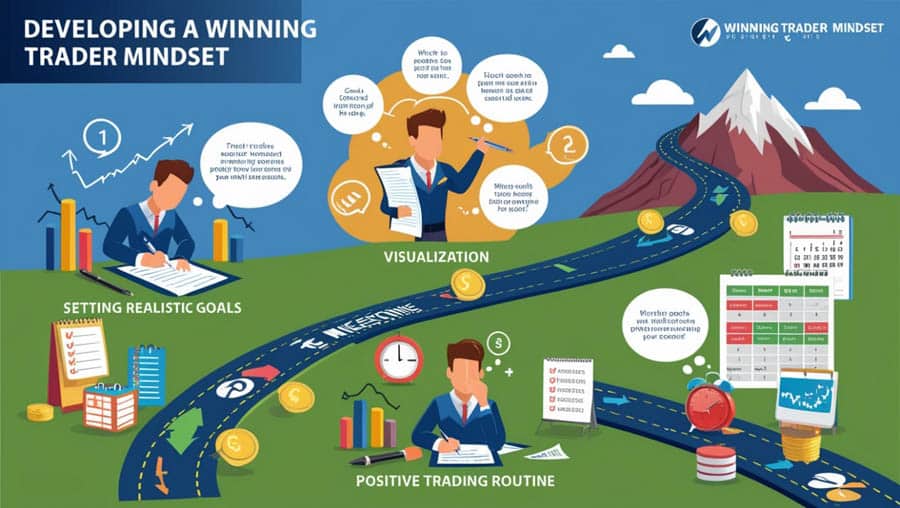
Developing the right trading mindset isn’t about suppressing emotions – it’s about channeling them productively. Here’s my proven framework:
The P.R.O.F.I.T. Mindset Framework
- Patience: Wait for high-probability setups
- Rules: Follow your system without exception
- Objectivity: See the market as it is, not as you want it
- Focus: Concentrate on process, not profits
- Improvement: Learn from every trade
- Time: Give strategies time to prove themselves
Daily Mental Preparation Routine
Before I open my trading platform each day, I spend 10 minutes on mental preparation:
- Review my trading rules (printed and posted above my monitor)
- Check my emotional state (stressed, tired, or distracted = no trading)
- Visualize following my plan regardless of outcomes
- Set daily loss limit (if hit, trading stops immediately)
Practical Techniques for Emotional Control
Theory is worthless without application. Here are battle-tested techniques I use daily:
1. The Trading Journal: Your Psychological Mirror
Document not just trades, but emotions felt during each trade. My journal entries look like this:
Date: Jan 15, 2024
Trade: EUR/USD Long
Result: +45 pips
Emotions: Felt anxious at -15 pip drawdown, almost closed early
Lesson: Trust the process; temporary drawdowns are normal
After 50 trades, patterns emerge. You’ll see exactly which emotions cost you money.
2. The “What Would a Robot Do?” Technique
When emotions surge, I ask myself: “What would my Expert Advisor do here?” EAs don’t feel fear, greed, or hope. They execute based on logic. This mental shift helps me think objectively.
3. Position Sizing for Peace of Mind
Use this simple formula:
Position Size = (Account Balance × Risk %) ÷ (Stop Loss in Pips × Pip Value)
Example: $10,000 account, 1% risk, 50-pip stop on EUR/USD:
Position Size = ($10,000 × 0.01) ÷ (50 × $10) = 0.2 lots
When position sizes are mathematically determined, emotions have less room to interfere.
4. The Two-Account System
I maintain two accounts:
- Main Account: For serious trading with strict rules
- Experimental Account: Small account for testing new strategies
This separation prevents emotional decisions from affecting my main capital. Learn more about account management from Investopedia’s guide to forex account management.
Recognizing and Overcoming Psychological Biases
Our brains are wired with biases that hurt trading performance. Here are the most dangerous ones:
Confirmation Bias: Seeing What You Want to See
Example: You’re long EUR/USD. You ignore bearish signals and focus only on bullish indicators.
Solution: Before entering any trade, write down three reasons why the trade could fail. This forces objective analysis.
Recency Bias: Overweighting Recent Events
Example: After three winning trades, you feel invincible and increase risk.
Solution: Maintain consistent position sizing regardless of recent results. Your last trade has zero impact on your next trade’s probability.
Anchoring Bias: Getting Stuck on Irrelevant Numbers
Example: “EUR/USD was 1.2000 last month, so it must go back there.”
Solution: Trade what you see, not what you think. Use technical indicators based on current price action, not historical anchors.
Creating Your Personal Trading Psychology Plan
Stop reading about trading psychology and start implementing it. Here’s your action plan:
Week 1: Assessment Phase
- Take 10 practice trades using a demo account
- Document emotions felt during each trade
- Identify your top 3 emotional weaknesses
Week 2: Rule Creation Phase
- Create specific rules to address each weakness
- Example: “If I feel FOMO, I must wait 15 minutes before entering”
- Print rules and place them visible near your trading station
Week 3: Implementation Phase
- Trade with minimal risk (0.5% per trade)
- Focus on following rules, not making money
- Journal every rule violation and its consequence
Week 4: Optimization Phase
- Review all trades and emotional responses
- Adjust rules based on real results
- Gradually increase risk to normal levels (1-2%)
Advanced Psychological Techniques for Experienced Traders
Once you’ve mastered basics, these advanced techniques can elevate your performance:
Meditation for Market Clarity
I meditate for 10 minutes before the London session. This isn’t mystical – it’s practical. Studies show meditation improves decision-making under stress. Try this simple technique:
- Close your eyes and breathe deeply
- Visualize your trading screen
- Imagine executing trades calmly, regardless of outcome
- Open your eyes and trade with that same calm
The Professional Athlete Approach
Professional athletes don’t let one bad game ruin their season. Adopt their mindset:
- Performance metrics over results: Judge yourself on following your plan, not profit/loss
- Regular training: Use demo accounts to practice new strategies stress-free
- Recovery periods: Take weekends off to prevent burnout
When to Seek Help: Recognizing Psychological Red Flags
Sometimes self-help isn’t enough. Watch for these warning signs:
- Trading affects your sleep or relationships
- You hide losses from family
- You borrow money to trade
- You can’t stop checking charts obsessively
- Physical symptoms appear (headaches, stomach issues) during trading
If you experience these, consider taking a break or seeking professional help. Trading addiction is real and destructive.
Technology Tools for Psychological Support
Leverage technology to support your psychological development:
Automated Trading Systems
Using automated trading systems removes emotions from execution. You make calm decisions when programming the system, then let it trade without emotional interference.
Trading Psychology Apps
- Edgewonk: Advanced journaling with psychological tracking
- Tradervue: Analyzes your trading patterns and biases
- My Forex Book: Social platform for sharing and learning from others’ psychological experiences
Alert Systems
Set alerts for entry/exit points. This prevents you from staring at charts all day, reducing emotional reactions to normal market movements.
Your Trading Psychology Action Plan
Success in forex trading isn’t about finding the Holy Grail strategy – it’s about mastering yourself. Here’s what to do today:
- Print this article and highlight the sections most relevant to your struggles
- Start a trading journal immediately (even a simple notebook works)
- Set up risk management rules (max 2% risk per trade, max 6% daily loss)
- Download one trading psychology app and commit to using it daily
- Share this article with a trading friend for accountability
Remember, every professional trader has struggled with the same emotions you’re facing. The difference between amateurs and professionals isn’t the absence of emotions – it’s the presence of systems to manage them.
“In trading, the enemy is not the market. The enemy is the uncontrolled mind.” – Yvan Byeajee
Master your mind, and you’ll master the markets. Start implementing these techniques today, and watch how your trading transforms over the next month. The market will always be there tomorrow – but will you be mentally prepared to profit from it?
For additional support in your trading journey, explore our collection of professional trading tools designed to help you maintain discipline and emotional control. Remember, the best investment you can make is in your psychological development as a trader.