









Blog
How to Make Money on Forex Trading: Beginner to Pro Guide


Making money in forex trading isn’t about luck—it’s about knowledge, discipline, and strategy. If you’re curious about how real traders profit in the world’s largest financial market, this guide will walk you through every step. Whether you’re just starting out or looking to improve, you’ll learn the key practices to help you trade with confidence and consistency.

Why Forex is a Profitable Market
The foreign exchange market (forex) trades over $6 trillion daily, offering traders endless opportunities to buy and sell currencies. Unlike stocks, forex operates 24/5, meaning you can trade nearly anytime. But high rewards come with risks. That’s why understanding the fundamentals and strategies is crucial.
“Forex is not a get-rich-quick scheme. It’s a skill—one you can master through education, practice, and patience.”
Ready to dive in? Let’s start from the beginning.
Step 1: Learn the Basics of Forex
Understand Currency Pairs & Market Mechanics
Forex trading involves buying one currency while selling another. These combinations are called currency pairs—like EUR/USD or USD/JPY. The first is the base currency, and the second is the quote currency. If you believe the base currency will rise, you buy. If you think it’ll fall, you sell.
| Currency Pair | Type | Description |
|---|---|---|
| EUR/USD | Major | Euro vs US Dollar |
| USD/JPY | Major | US Dollar vs Japanese Yen |
| GBP/CHF | Cross | Pound vs Swiss Franc |
Choose a Reliable Forex Broker
To get started, you’ll need to open an account with a trusted forex broker. Look for one that offers:
- Regulation by financial authorities (FCA, ASIC, NFA, etc.)
- Low spreads and fees
- MetaTrader 4 or MetaTrader 5 support
- Demo account availability
- Responsive customer service
We recommend reading broker comparisons on Investopedia’s broker guide for trustworthy options.
Step 2: Practice Risk-Free on a Demo Account
What is a Demo Account and Why Use It?
A demo account lets you trade using real market data without risking real money. It’s essential for testing strategies, understanding order execution, and learning to manage emotions during trades. Many traders—even pros—regularly use demo accounts to test updates.

Best Platforms to Practice Forex
Here are some reliable demo platforms to start with:
- MetaTrader 4 (MT4): The most popular trading platform for beginners and pros alike.
- eToro: Ideal for practicing social and copy trading strategies.
- IG Academy: Offers demo access and a wealth of educational content.
- GoForex App: Great for mobile simulation learning with real-time feedback.
Step 3: Start Small and Focus on Risk Management
How Leverage Impacts Your Profits and Losses
Leverage lets you control a larger trade with a smaller amount of capital. For example, 1:100 leverage allows you to control $10,000 with just $100. While this can amplify profits, it can just as easily wipe out your account.
Tip: Always use leverage responsibly and never risk more than 1–2% of your account per trade.
Use Stop-Loss Orders & Set Risk Limits
A stop-loss order is a risk management tool that closes your trade if the market moves against you. This prevents large losses and protects your capital.
Best practices for risk management:
- Use stop-loss on every trade
- Risk only a small portion of your account per trade
- Avoid overtrading—focus on quality over quantity
- Stick to your strategy; avoid emotional decisions
Step 4: Master the Core Forex Trading Strategies
Trend Trading
This strategy follows the direction of the market. If a currency pair is going up, trend traders buy. If it’s going down, they sell. It’s best used with indicators like Moving Averages and MACD.
Swing Trading
Hold trades for several days or weeks to capture medium-term moves. Requires patience, discipline, and often works well with support/resistance zones and candlestick patterns.
Range Trading
This strategy works best in sideways markets. Traders buy at support levels and sell at resistance. Be cautious of breakouts that invalidate the range.
Breakout Trading
Breakout traders look for price to “break out” of a range or pattern (like a triangle or channel). When volume spikes and price escapes a range, it often starts a strong trend.
For a more interactive explanation, read DailyFX’s Education Hub.
Up Next…
In the second half of this guide, we’ll explore:
- Carry trading and earning from interest rates
- Market analysis tools you need to know
- How to develop discipline and avoid common mistakes
- Frequently asked questions from new traders
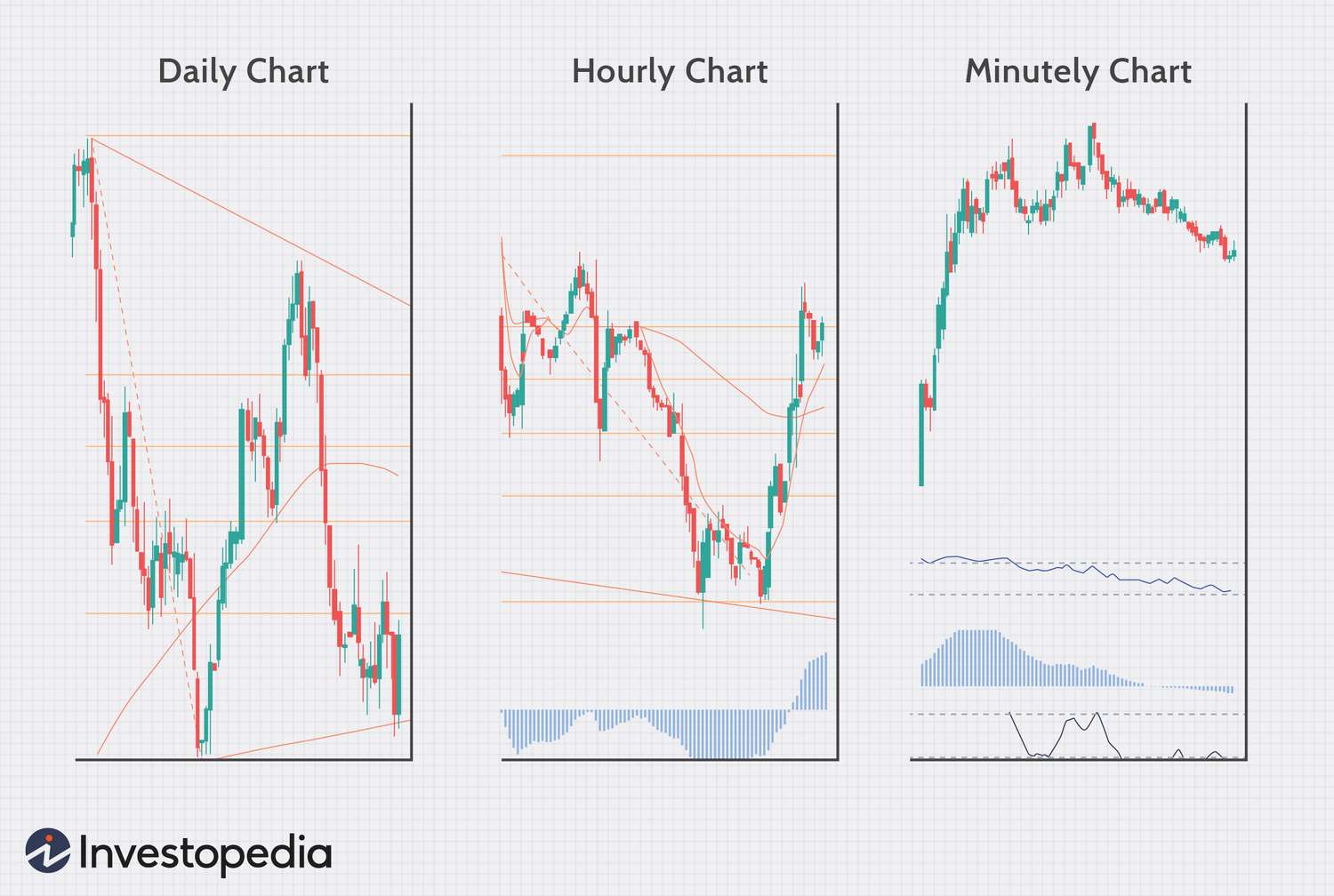
Continue reading to discover how to level up your forex trading with analysis, psychology, and long-term planning—or explore tested forex tools at ShopForexEA.com.
Step 5: Use Carry Trading to Profit from Interest Rates
Carry trading is a powerful yet often overlooked forex strategy. It involves buying a currency with a high interest rate and selling one with a lower rate. The goal is to earn the interest rate differential while also gaining from price movement.
Here’s a simplified example:
| Currency Pair | Interest Rate (Buy) | Interest Rate (Sell) | Potential Carry Profit |
|---|---|---|---|
| AUD/JPY | 4.10% | -0.10% | +4.20% |
Note: Carry trades work best in stable markets and can backfire during high volatility.
Step 6: Analyze the Market Like a Pro
Technical vs. Fundamental Analysis
To consistently make money on forex trading, you must analyze the market. Traders typically rely on two types of analysis:
- Technical analysis: Uses charts and indicators to forecast price direction.
- Fundamental analysis: Evaluates economic indicators like GDP, interest rates, and employment data.
Many experienced traders use a blend of both for confirmation.
Top Forex Tools & Indicators
Here are the most useful tools to have in your trading toolbox:
- Moving Averages: Helps spot the overall trend.
- RSI (Relative Strength Index): Identifies overbought or oversold conditions.
- Fibonacci Retracement: Predicts support and resistance levels.
- Bollinger Bands: Measures market volatility.
You can access these tools directly within platforms like MetaTrader 4.
Step 7: Learn from Real Trades and Stay Disciplined
Journal Your Trades
Keeping a trading journal is one of the easiest ways to improve. Document every trade—entry, exit, reason, emotion, result—and reflect weekly. This helps you identify patterns and mistakes over time.
Emotional Control and Trading Psychology
Emotions like fear and greed are your worst trading enemies. Learning to stay calm and disciplined during wins and losses is what separates beginners from professionals. Here are a few tips:
- Trade with a plan—don’t improvise
- Use risk management to prevent panic
- Take breaks after losing streaks
- Focus on process over profit
Common Mistakes to Avoid in Forex Trading
- Overtrading: Quality trades matter more than quantity. Avoid chasing the market.
- Ignoring the News: Economic reports can cause huge price swings. Always check the calendar before trading.
- Risking Too Much: Never risk more than 1–2% of your account on a single trade.
- Neglecting Strategy: Emotional, unplanned trades often result in losses.
Final Thoughts: Make Forex Trading Work for You
To make consistent profits in forex trading, you need more than just luck. You need a system that works for your goals, psychology, and risk tolerance. Start small, learn from experience, use proven strategies, and never stop learning.
Recap:
- Understand how currency pairs and markets work
- Choose a regulated broker with a demo account
- Use leverage wisely and manage risk with stop-loss
- Apply strategies like trend trading and breakout trading
- Analyze with technical tools and economic news
- Build a trading journal and develop emotional control
Need help finding the right forex tools? Visit ShopForexEA.com for trusted, beginner-friendly expert advisors (EAs), indicators, and trading automation resources.
FAQs
Can you make money trading forex part-time?
Yes. Many part-time traders use swing trading or automated strategies to profit while managing a job. Start with a demo account and commit to regular learning.
How much money do I need to start forex trading?
You can start with as little as $100 on micro accounts. However, $500–$1000 gives better flexibility for managing risk and developing your skills.
Is forex trading risky?
Yes, it involves financial risk. But with proper risk management, emotional control, and consistent strategy, the risk becomes manageable. Never invest money you can’t afford to lose.
Want to trade smarter? Browse our curated collection of trading tools at ShopForexEA.com—designed for beginners and pros seeking automation, consistency, and control.