









Blog
Learn Forex Trading: Your Complete Guide to Getting Started

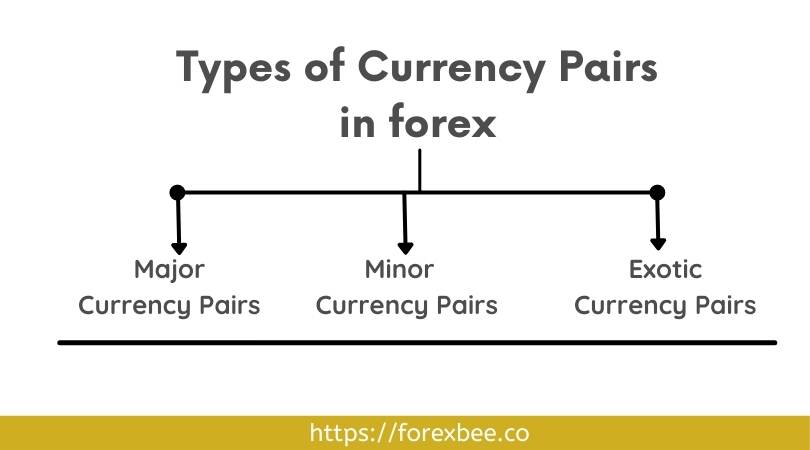
You want to learn forex trading? You’re in the right place. Forex trading means buying and selling different currencies to make a profit. Think of it like exchanging money at the airport, but you’re doing it online to make money from the price changes.
The foreign exchange market (that’s what forex means) is the world’s biggest financial market. About $7.5 trillion gets traded every single day, according to the Bank for International Settlements. That’s more money than most of us can even imagine.
What Is Forex Trading and How Does It Work?
When you trade forex, you’re always dealing with currency pairs. A currency pair shows how much of one currency you need to buy another currency. For example, EUR/USD tells you how many US dollars you need to buy one euro.
Let’s break this down with a simple example. If EUR/USD is at 1.1000, that means:
- 1 euro = 1.10 US dollars
- If the price goes up to 1.1100, the euro got stronger
- If the price drops to 1.0900, the euro got weaker
You make money by predicting which way the price will go. Buy when you think it’ll go up, sell when you think it’ll go down. It’s that straightforward.
Understanding the Key Players in Forex
The forex market has different types of traders. Knowing who they are helps you understand how the market moves:
Central Banks: These are like the referees of the currency world. The Federal Reserve, European Central Bank, and Bank of Japan set interest rates that affect currency values.
Commercial Banks: Big banks like JPMorgan and Deutsche Bank trade huge amounts of currency for their clients and themselves.
Retail Traders: That’s you and me – regular people trading from home using online platforms.
Essential Forex Trading Terms You Need to Know
Before you start trading, you need to understand these basic terms. Don’t worry – they sound complicated but they’re actually pretty simple:
Pip (Percentage in Point): This is the smallest price move in forex. For most pairs, it’s the fourth decimal place (0.0001). If EUR/USD moves from 1.1000 to 1.1001, that’s one pip.
Spread: The difference between the buy price and sell price. Think of it like the fee you pay to make a trade. Lower spreads mean lower costs for you.
Leverage: This lets you control more money than you actually have. With 1:100 leverage, your $100 can control $10,000. But be careful – leverage can multiply both profits AND losses.
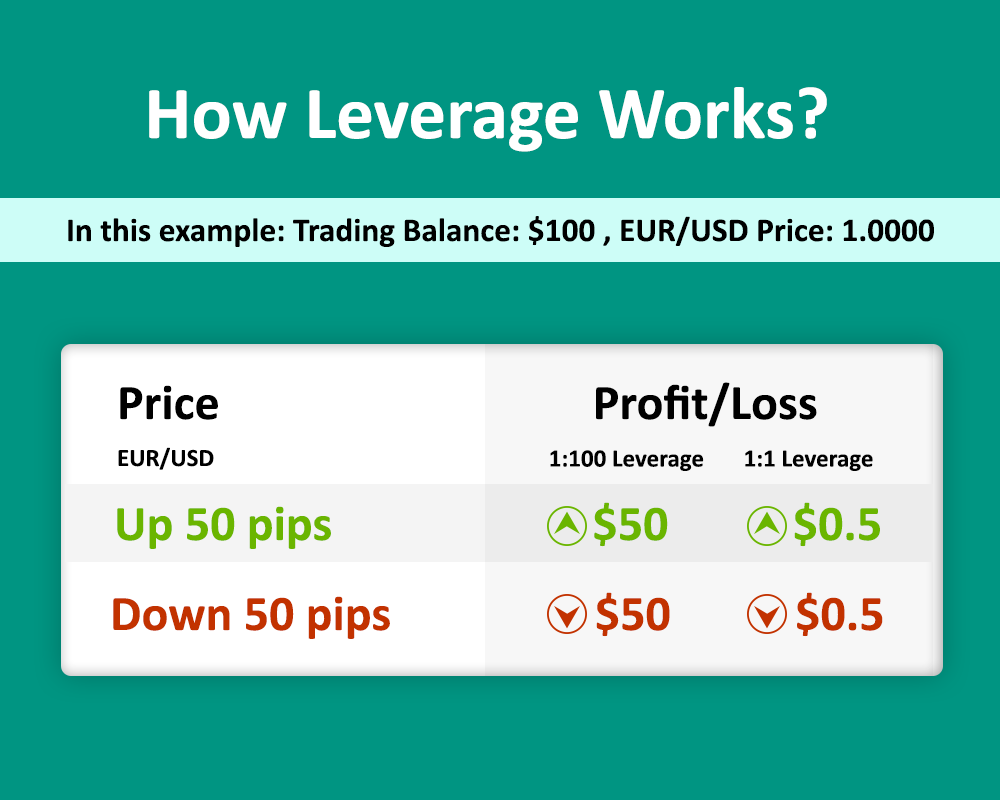
Margin: The money you need to open a trade. If you want to trade $10,000 with 1:100 leverage, you only need $100 as margin.
Lot Size: How much currency you’re trading. A standard lot is 100,000 units, a mini lot is 10,000, and a micro lot is 1,000.
Choosing the Right Forex Broker
Your broker is like your gateway to the forex market. Picking the right one is crucial. Here’s what to look for:
- Regulation: Make sure they’re regulated by authorities like the FCA, ASIC, or CySEC
- Spreads and fees: Lower costs mean more profit for you
- Trading platform: Most brokers offer MetaTrader 4 or 5 – both are excellent
- Customer support: You want help available when you need it
- Minimum deposit: Start with what you can afford to lose
According to Investopedia, always check if a broker is regulated before depositing any money. This protects you from scams.
Setting Up Your First Trading Account
Ready to start? Here’s how to set up your trading account step by step:
- Choose your broker: Research and pick one that fits your needs
- Fill out the application: You’ll need ID and proof of address
- Fund your account: Start small – maybe $100 to $500
- Download the platform: Usually MetaTrader 4 or 5
- Practice on demo first: Trade with fake money until you’re comfortable
Most brokers offer demo accounts with virtual money. Use this! Practice for at least a month before risking real money. There’s no rush.
Understanding Forex Charts and Analysis
To trade successfully, you need to read charts. There are three main types:

Line Charts: These show closing prices connected by a line. They’re simple but don’t show much detail.
Bar Charts: These show the open, high, low, and close prices for each time period. More info than line charts.
Candlestick Charts: The most popular type. They show the same info as bar charts but in a way that’s easier to read. Green (or white) candles mean the price went up, red (or black) means it went down.
Basic Trading Strategies for Beginners
Start with these simple strategies. Master one before trying another:
1. Trend Following: “The trend is your friend” – trade in the direction the market is moving. If prices are going up, buy. If they’re going down, sell.
2. Support and Resistance: Prices often bounce off certain levels. Buy at support (where prices tend to stop falling) and sell at resistance (where they stop rising).
3. Moving Average Crossover: When a fast moving average crosses above a slow one, it might signal a buy. When it crosses below, it might signal a sell.
The BabyPips School of Pipsology offers free, detailed lessons on these strategies and more.
Risk Management: Protecting Your Trading Capital
This is THE MOST IMPORTANT part of trading. Good risk management keeps you in the game. Bad risk management will wipe out your account.
The 1% Rule: Never risk more than 1% of your account on a single trade. If you have $1,000, don’t risk more than $10 per trade. This way, you can be wrong 20 times in a row and still have 80% of your money left.
Stop Loss Orders: These automatically close your trade if it goes against you. Always use them. No exceptions. Set your stop loss before you enter the trade, not after.
Position Sizing: This determines how much to trade based on your stop loss. Here’s the formula:
- Position size = (Account risk ÷ Trade risk) ÷ Pip value
- Example: ($10 risk ÷ 20 pips) ÷ $1 per pip = 0.5 mini lots
Common Forex Trading Mistakes to Avoid
Learn from others’ mistakes so you don’t have to make them yourself:
- Trading without a plan: Always know your entry, exit, and stop loss before trading
- Overtrading: More trades don’t mean more profit. Quality beats quantity
- Revenge trading: Don’t try to “get back” at the market after a loss
- Ignoring risk management: This is how accounts get blown
- Using too much leverage: Start small until you’re consistently profitable
Developing Your Trading Psychology
Your mindset matters as much as your strategy. Trading brings out emotions you didn’t know you had. Fear and greed are your biggest enemies.
Stay disciplined: Follow your trading plan even when emotions tell you otherwise. If your plan says exit at 20 pips profit, don’t get greedy and hold for 30.
Accept losses: They’re part of trading. Even the best traders lose 40-50% of their trades. What matters is making more on winners than you lose on losers.
Keep a trading journal: Write down every trade – why you entered, what happened, and what you learned. Review it weekly to spot patterns and improve.
Building Your Trading Skills Step by Step
Learning forex trading is a journey. Here’s a roadmap to guide you:
Month 1-2: Learn the basics, practice on demo, understand how the platform works
Month 3-4: Develop and test your strategy on demo, start your trading journal
Month 5-6: If profitable on demo, start with small real money trades
Month 7+: Gradually increase position sizes as you prove consistency
Remember, it typically takes 6-12 months to become consistently profitable. Don’t rush the process.
Advanced Concepts for Growing Traders
Once you master the basics, explore these advanced topics:
Fundamental Analysis: Understanding how economic news affects currencies. Interest rates, GDP, employment data – they all move markets.
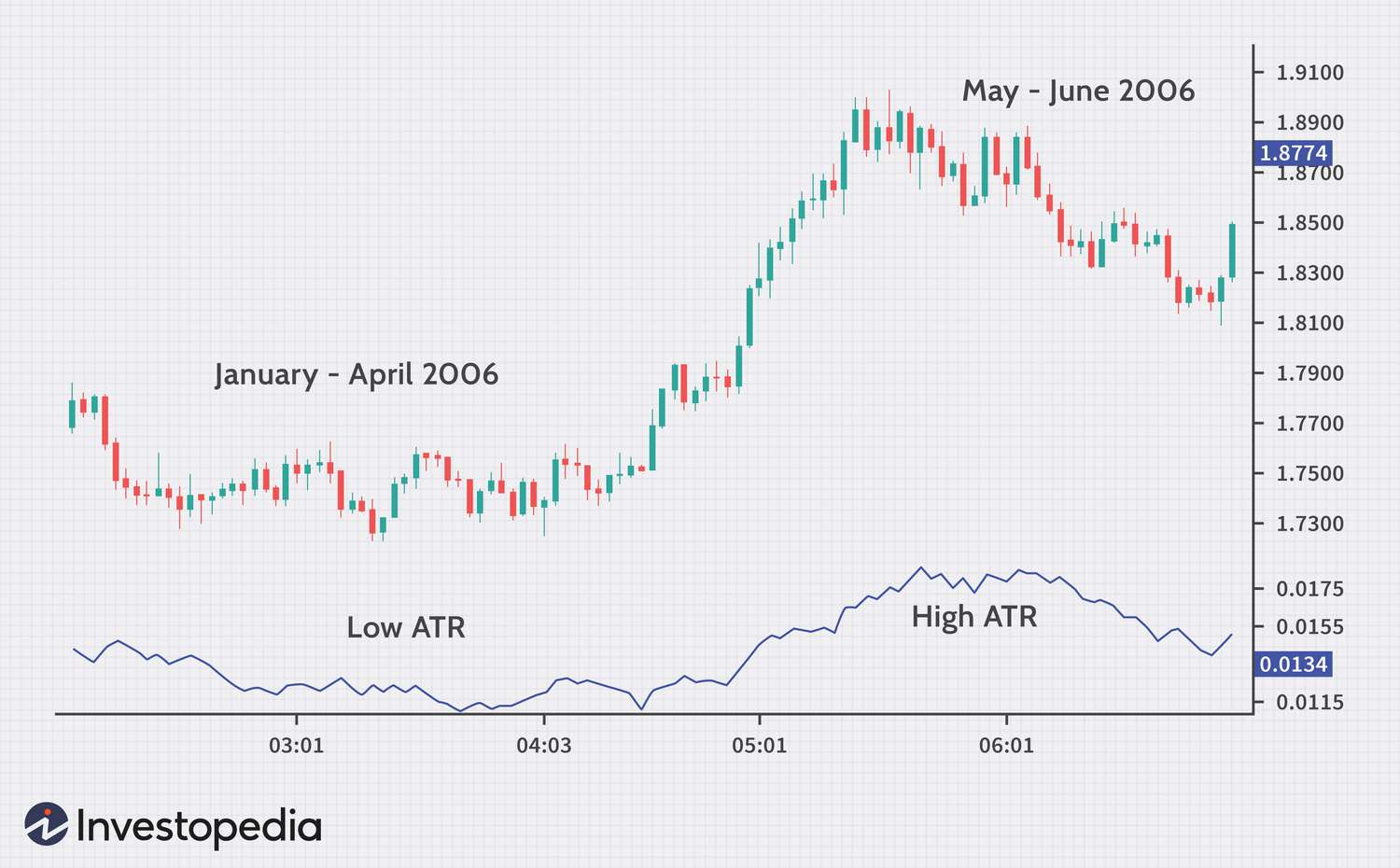
Technical Indicators: Tools like RSI, MACD, and Bollinger Bands help identify trading opportunities. But don’t overload your charts – 2-3 indicators are plenty.
Automated Trading: Using Expert Advisors (EAs) to trade automatically. Check out our guide on choosing the right forex EA when you’re ready.
Resources for Continuous Learning
Never stop learning. The market always has new lessons to teach. Here are the best resources:
- Books: “Trading in the Zone” by Mark Douglas for psychology
- Websites: DailyFX and ForexFactory for news and analysis
- Forums: Forex Factory forums to connect with other traders
- YouTube: Tons of free educational content (but watch out for scams)
- Courses: Consider paid courses once you know the basics
Your Next Steps in Forex Trading
You now have the foundation to start your forex trading journey. Here’s what to do next:
- Open a demo account with a regulated broker
- Practice the basics for at least one month
- Develop a simple trading strategy
- Keep a detailed trading journal
- Only risk real money when you’re profitable on demo
Forex trading offers real opportunities, but it’s not a get-rich-quick scheme. Treat it like learning any new skill – with patience, practice, and persistence. Start small, learn continuously, and always protect your capital.
Want to dive deeper into specific strategies? Check out our article on proven forex trading strategies for more detailed guidance.
Remember: Every professional trader started exactly where you are now. The difference between success and failure isn’t talent – it’s dedication to learning and improving. You’ve got this.