









Blog
Dangers of Forex Trading: Risks Every Beginner Should Avoid

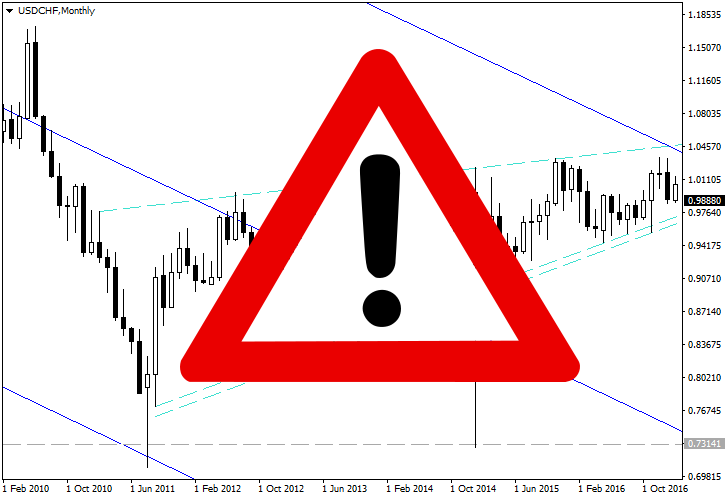
Forex trading offers exciting opportunities, but it also comes with significant dangers that can wipe out your capital if you’re not careful. Many beginners are attracted by the promise of quick profits but underestimate the risks hidden beneath the surface. Whether you’re just starting or already trading with real money, it’s crucial to understand these dangers so you can protect your investments and make smarter decisions.
In this article, we’ll explore the most critical forex trading risks you need to be aware of and how to avoid them. By understanding the potential pitfalls, you’ll be in a better position to succeed and avoid costly mistakes.
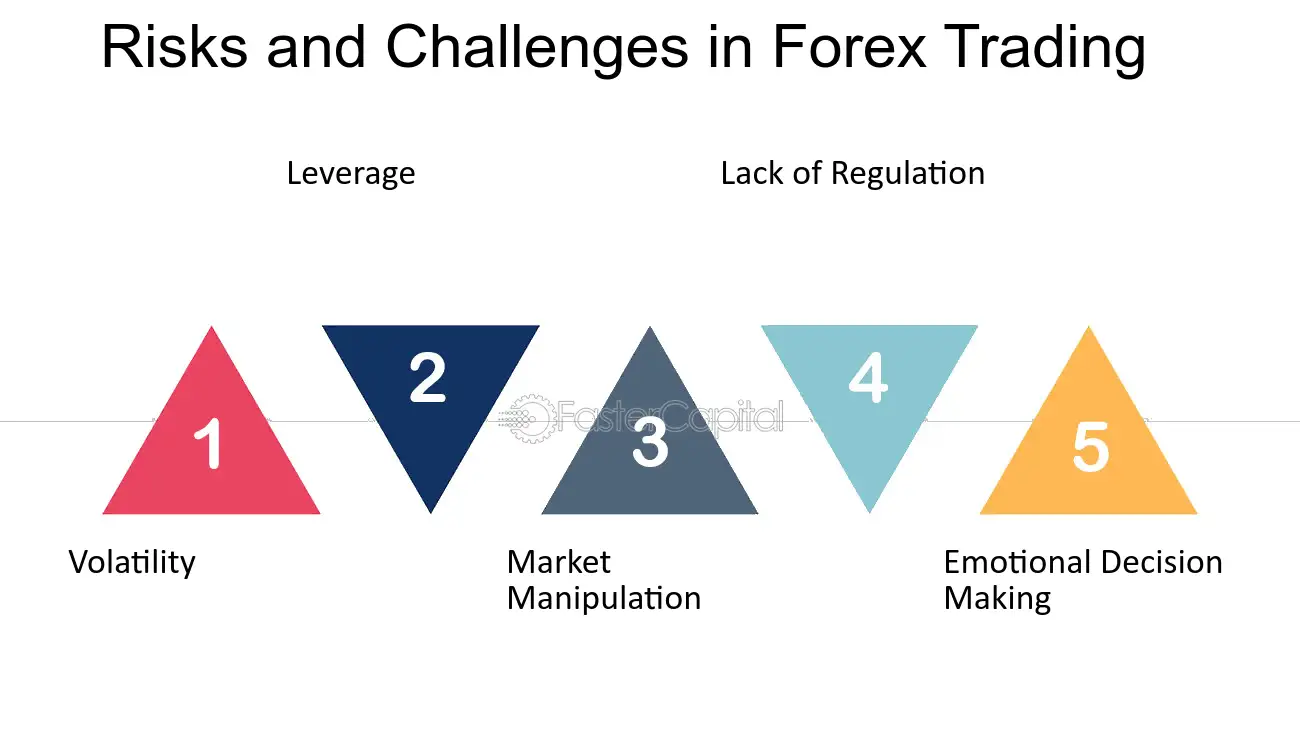
1. High Volatility: Double-Edged Sword
Forex markets are known for their extreme volatility. Currency prices can fluctuate wildly within seconds due to economic news, central bank announcements, geopolitical tension, or unexpected global events.
Volatility means there’s potential for large profits—but also for large losses. Many new traders are drawn to this action, but they quickly find out that volatility doesn’t forgive poor planning.
“Volatility is not your enemy, but trading without understanding it definitely is.”
- Price spikes can trigger stop-losses prematurely.
- Sudden drops can lead to margin calls.
- Flash crashes have occurred where currencies fell dramatically within minutes.
Real-Life Example: Flash Crash of the British Pound
In October 2016, the British Pound crashed by over 6% in just a few minutes during the Asian trading session. This was blamed on a combination of low liquidity and algorithmic trading, and many retail traders were wiped out in the blink of an eye.
2. Leverage: A Double-Edged Amplifier
Leverage is often promoted as a benefit of forex trading. It allows you to control a large position with a small amount of money. However, it’s also one of the most dangerous tools in forex if not used properly.
Let’s look at an example:
| Account Balance | Leverage Used | Trade Size | Impact of 1% Price Move |
|---|---|---|---|
| $1,000 | 1:1 | $1,000 | $10 loss/gain |
| $1,000 | 50:1 | $50,000 | $500 loss/gain |
| $1,000 | 100:1 | $100,000 | $1,000 loss/gain (account wiped) |
As shown above, even a 1% move in the market can wipe out your entire balance if you’re overleveraged. This is one of the main reasons beginners fail so quickly.
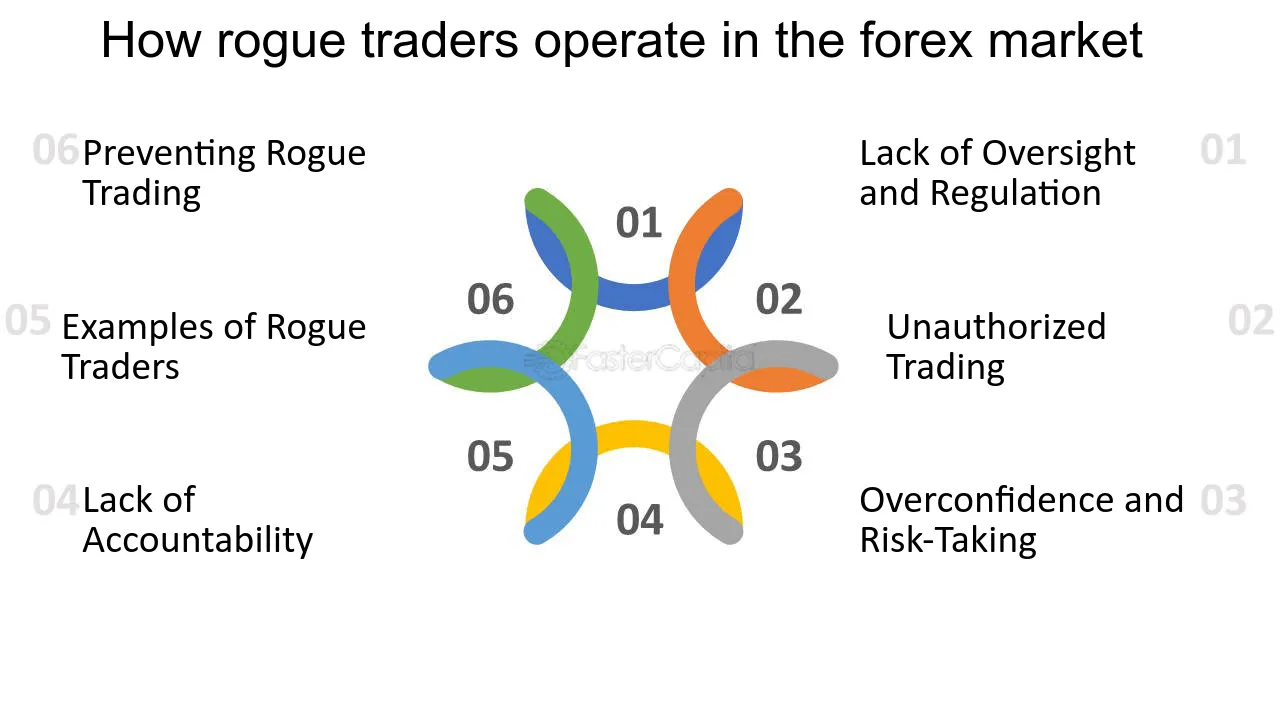
3. Unregulated Brokers and Scams
The forex market is decentralized and lacks a central authority, which opens the door to scams and unreliable brokers. Some platforms manipulate prices, delay withdrawals, or simply vanish with traders’ funds.
Warning signs of scam brokers:
- Promise of “guaranteed returns” or “risk-free” trading.
- No valid license from regulators like FCA, CFTC, or ASIC.
- Unusually high bonuses or unclear withdrawal policies.
Use tools like the FINRA BrokerCheck or the FCA Register to verify a broker’s legitimacy.
Always go for brokers with strong reputations, verified licenses, and positive third-party reviews. Avoid offshore and unknown brokers, especially those cold-calling or DMing you with investment “opportunities.”
4. Emotional Trading: The Silent Killer
One of the most underestimated risks in forex trading is emotional decision-making. Greed, fear, revenge, and overconfidence can easily ruin your strategy.
Ask yourself:
- Do you close trades too early out of fear?
- Do you revenge-trade after a loss?
- Are you constantly checking your trades out of anxiety?
If you answered yes, you may be emotionally trading—which can lead to massive losses. Emotional trading often leads to overleveraging, breaking rules, and blowing accounts.
Learn more about trading psychology here.
How to Avoid Emotional Trading
Tips to stay objective:
- Use pre-defined trading plans and set stop-loss orders.
- Journal your trades to spot emotional patterns.
- Practice in a demo account to build discipline.
Many successful traders use automation to eliminate emotions. For example, platforms like ShopForexEA.com offer beginner-friendly Expert Advisors (EAs) that help traders stick to predefined rules and avoid emotional traps.
5. Platform and Technical Risks
Forex trading today relies heavily on technology. Your platform’s reliability can directly impact your success—or failure.
Common technical risks include:
- Slippage due to delayed execution.
- Disconnections during high volatility.
- Broker-side platform manipulation.
- Fake MT4/MT5 platforms used by scammers.
Ensure your trading software is from verified sources, and never install platforms shared through email links or unofficial websites.
Use a VPS (Virtual Private Server) if you trade automated systems, and always have a backup internet connection during live trading hours.
Continue reading in the next section to discover more about market manipulation, liquidity traps, and the real risks of losing your entire capital.
6. Market Manipulation: The Invisible Puppeteers
Many retail traders are unaware of how large institutions—banks, hedge funds, and even central banks—can manipulate currency prices to their advantage. These entities have the capital and influence to shift prices in ways that squeeze small traders out of the market.
How Does Market Manipulation Work?
- Stop hunting: Institutions may intentionally move prices to trigger stop-losses of retail traders.
- Fake breakouts: Price temporarily moves past a support/resistance level to mislead traders before reversing.
- News spike exploitation: Traders often get in or out during news releases, but insiders may have faster execution.
These tactics are often legal—but they’re not fair. Understanding that you are trading in a non-level playing field can help manage expectations and refine your strategy.
“Retail traders should never assume the market is rational or fair. It’s engineered by large players.” — Bank for International Settlements (BIS)
7. Liquidity and Interest Rate Risks
Liquidity risk refers to the inability to exit a trade at the expected price due to a lack of buyers or sellers. This often happens during major news events or in exotic currency pairs with low trading volumes.
Examples of Low Liquidity Scenarios:
- Trading during off-peak hours (e.g., Asian session with no overlap)
- Market gaps over weekends or after economic shocks
- Trading highly volatile or minor currencies like ZAR or TRY
Another factor is interest rate differential. When holding positions overnight, you may be charged or paid a swap fee. These can add up quickly and eat into profits if ignored.
Tip: Use a swap calculator before holding trades overnight, especially with high-leverage accounts.
8. Technical and Operational Failures
Forex trading requires uninterrupted access to your trading platform and fast execution. A technical glitch or power outage at the wrong time can cost you thousands.
Common Operational Risks:
- Power failures during open trades
- Internet disconnection or server lag
- Malfunctioning Expert Advisors (EAs)
- Incorrectly configured trading parameters
To reduce these risks, many traders invest in a reliable VPS (Virtual Private Server) for 24/7 uptime and lower latency execution. Also, always test your EAs thoroughly on demo accounts and use backup trading tools.
9. Risk of Losing All Margin and More
This is perhaps the most devastating risk of all. If you trade with excessive leverage and no risk management, a single market move can not only wipe out your entire balance—but also leave you owing money to your broker.
Scenarios Where Traders Lose Everything:
- Ignoring stop-losses during high volatility events
- Overexposing capital on a single trade
- Adding to losing trades (also called “martingale”)
- Relying solely on signals or bots without understanding them
That’s why proper risk management is essential, especially for beginners. It’s not just about profit—it’s about protecting your capital.
How to Stay Safe
- Risk no more than 1–2% of your capital per trade
- Use position size calculators
- Set clear stop-loss and take-profit levels
- Don’t trade emotionally—automate your trades if needed
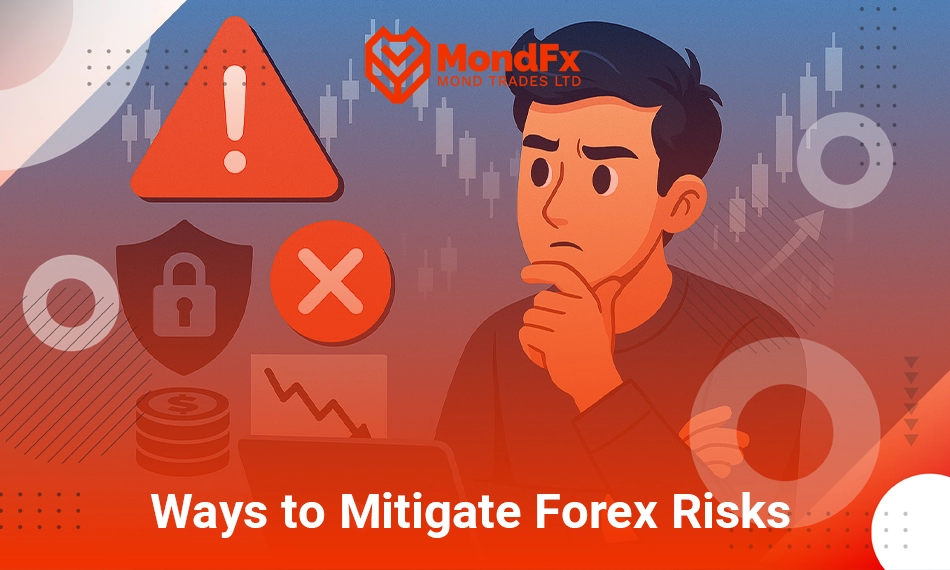
How to Reduce Your Risk in Forex Trading
By now, you’ve seen how many ways forex trading can go wrong. But don’t be discouraged—being aware of the risks is the first step to becoming a smarter trader. Here’s how to protect yourself:
- Choose a reputable, regulated broker. Verify with authorities like NFA, FCA, or ASIC.
- Use demo accounts to practice before risking real money.
- Educate yourself using free courses from platforms like IG Trading Academy.
- Automate wisely: Use tested Expert Advisors like those from ShopForexEA.com.
Conclusion: Forex Isn’t a Casino—Trade Smart
Forex trading is not inherently dangerous—it becomes risky when traders enter the market unprepared or overconfident. Understanding the dangers of forex trading—from volatility and leverage to emotional and technical risks—equips you to trade smarter and safer.
There’s no magic strategy or perfect bot, but there are tools and resources that can help you manage risk, learn from experience, and grow steadily.
Ultimately, success in forex comes from discipline, knowledge, and caution. If you’re looking to automate with confidence, consider exploring the beginner-friendly tools from ShopForexEA.com, where transparency and support are at the core of the platform.
Stay smart, stay safe, and may your next trade be your best.