









Blog
Risks of Forex Trading: What Every Trader Must Know

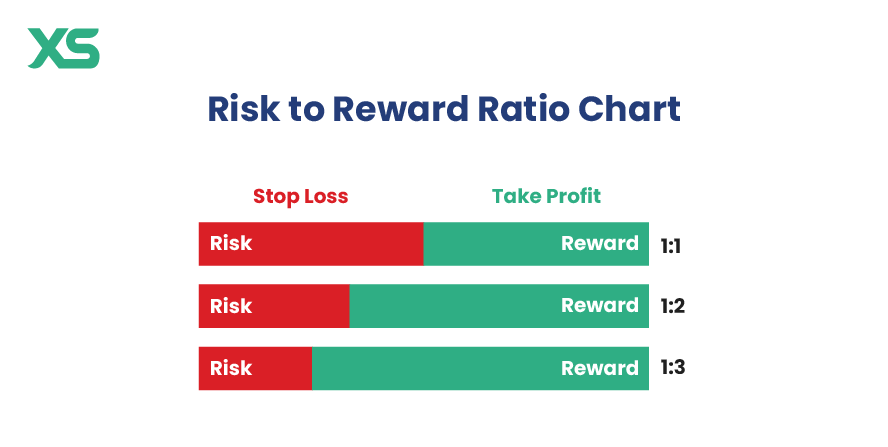

**Forex trading** offers exciting opportunities to make money by speculating on currency price movements. But beneath the surface of profit potential lies a world of **financial risk** that many beginner traders underestimate—or completely ignore. If you’re considering trading forex, it’s critical to understand the risks of forex trading and how to manage them wisely.
In this article, we break down the most significant dangers you’ll face in the forex market and provide practical insights to help you trade smarter. Whether you’re new or already trading, this guide can help you avoid painful losses.
1. Understanding Forex Market Risk
What Is Forex Trading?
The foreign exchange market (forex) is the largest financial market in the world, where currencies are bought and sold in real time. It’s decentralized, highly liquid, and operates 24 hours a day, five days a week.
Why It’s Risky for Beginners
- No centralized regulation like stock markets
- High volatility due to economic and political factors
- Use of leverage that can amplify both gains and losses
- Psychological pressure from fast-paced trading decisions
According to the U.S. Commodity Futures Trading Commission (CFTC), retail forex trading involves significant risk of loss and is not suitable for all investors.
2. Market Volatility: The Double-Edged Sword
Forex prices can swing wildly due to global events like interest rate announcements, geopolitical tension, inflation data, or unexpected central bank policy shifts. These sudden changes can lead to rapid losses, especially for unprepared traders.
How Economic News Impacts Prices
| Event | Effect on Forex Market |
|---|---|
| Non-Farm Payrolls (NFP) | High volatility in USD pairs |
| Interest Rate Decisions | Can cause long-term trend shifts |
| Geopolitical Conflict | Sharp moves in safe-haven currencies like JPY or CHF |
Real-Life Example of Volatility Loss
In 2015, the Swiss National Bank unexpectedly removed its currency peg against the Euro. Within minutes, the Swiss Franc surged by over 30%, wiping out billions in retail and institutional accounts. Many brokers even went bankrupt.
This incident shows how volatility can cause catastrophic losses even when a trader uses stop-loss orders.
3. The Leverage Trap: Amplified Gains and Losses
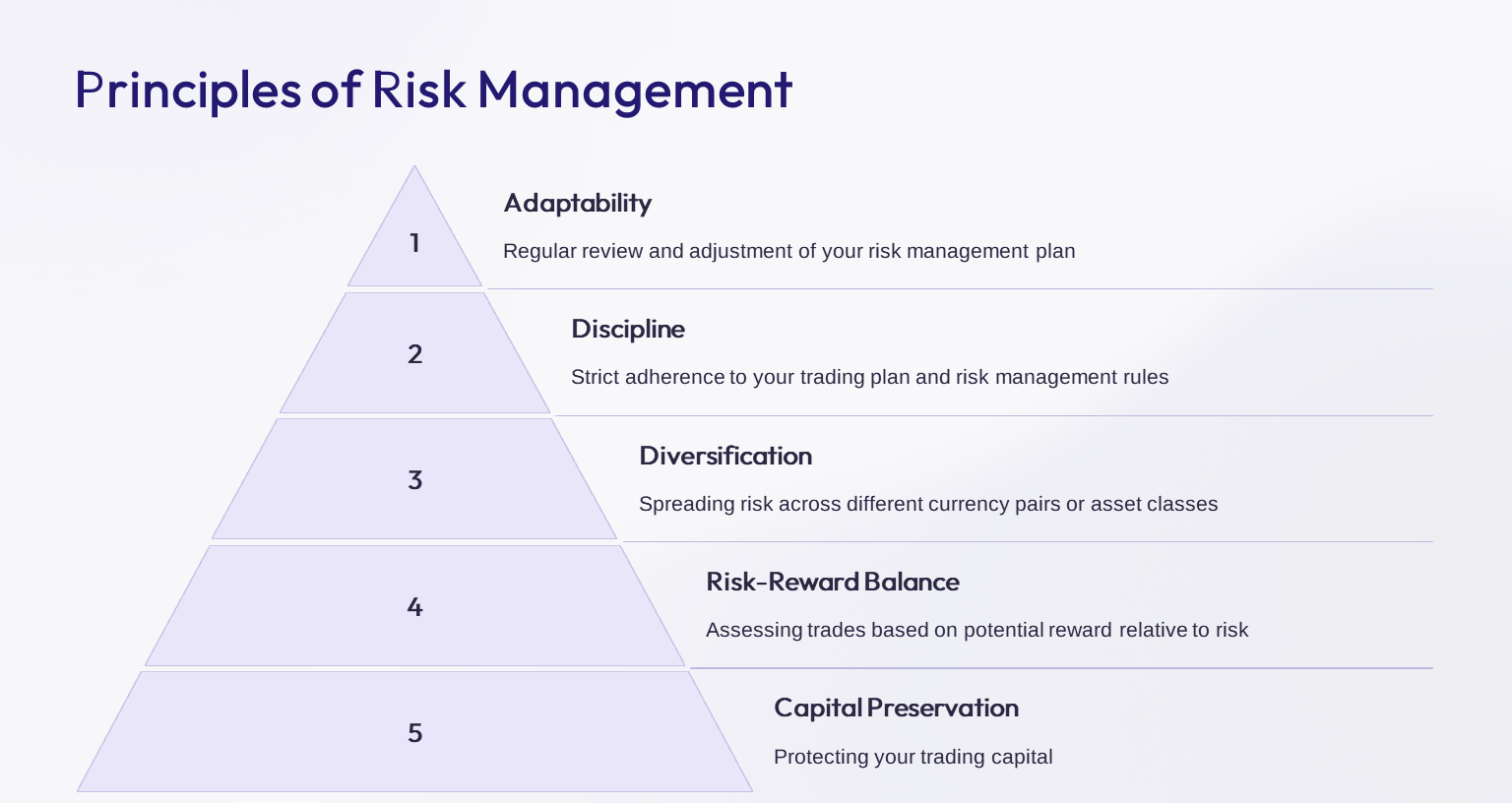
What is Leverage in Forex?
Leverage allows you to control a large position with a relatively small amount of capital. For example, with 100:1 leverage, you can control $100,000 with just $1,000 in your trading account.
The Dangers of Overleveraging
- Magnified losses: A 1% move in the market can wipe out 50% of your capital with high leverage.
- Margin calls: Brokers may liquidate your trades automatically when equity falls below margin requirements.
- False sense of control: New traders often believe they’re “winning big” without recognizing the growing exposure.
As explained by Investopedia, using high leverage in forex is like driving at 200 mph without a seatbelt—it may be thrilling, but it’s highly dangerous.
4. Psychological Risks: The Trader’s Mind
One of the most underrated dangers of forex trading is emotional decision-making. Even the most rational person can be overtaken by fear, greed, or frustration when money is at stake.
Fear, Greed, and Revenge Trading
Here are some common psychological traps traders fall into:
- Fear: Closing a winning trade too early out of anxiety.
- Greed: Ignoring your exit plan hoping for more profit—only to see it reverse.
- Revenge trading: Trying to win back a loss immediately, often resulting in bigger losses.
How to Stay Emotionally Disciplined
Here are a few helpful tips to strengthen your trading psychology:
- Use a written trading plan with clear rules
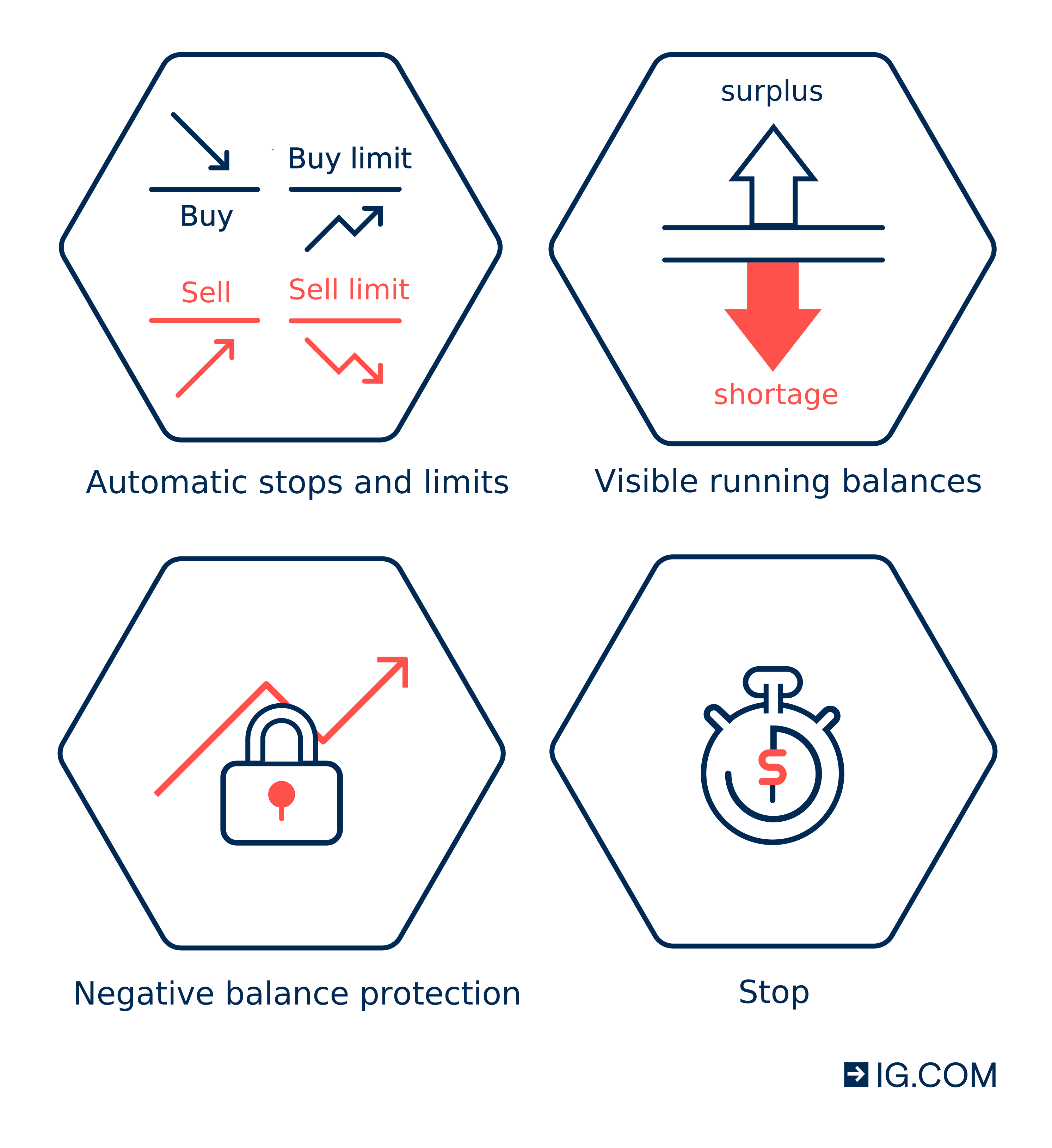
- Set stop-loss and take-profit levels before placing a trade
- Use a demo account to test your emotional resilience
- Practice mindfulness or journaling after each session
5. Broker and Platform Risks
Not all forex brokers are created equal. Some may appear legitimate but operate with hidden fees, delayed executions, or outright fraud. Others lack proper regulation, making it nearly impossible to retrieve funds in case of disputes.
Choosing a Reputable Broker
When selecting a broker, look for:
- Licensing from trusted regulators like FCA, ASIC, or NFA
- Transparent fee structures
- Clear communication and responsive customer service
- Positive reputation on forums like Forex Peace Army
Warning Signs of Forex Scams
- Promises of “guaranteed profits”
- No physical address or contact details
- Unverified testimonials and vague product claims
- Poorly designed websites that mimic reputable firms
6. Liquidity and Slippage
What is Liquidity in Forex?
Liquidity refers to how easily you can buy or sell a currency pair without significantly affecting its price. Most major pairs like EUR/USD are highly liquid—but this isn’t always the case during certain hours or news events.
When Liquidity Dries Up
- Major news releases (e.g. interest rate decisions)
- Holiday trading sessions
- Flash crashes or geopolitical emergencies
Low liquidity can result in slippage—where your trade is executed at a different price than expected. This is especially damaging when trading with high leverage or without a guaranteed stop-loss.
To reduce the impact of slippage, consider using brokers with low latency execution and avoiding news trading unless you are experienced.
7. Technical Failures and System Glitches
Even the most well-prepared trader can suffer losses due to **technical issues**. These are often overlooked, but they pose a real threat—especially when trading on short timeframes or using high leverage.
Platform Crashes and Internet Disconnects
- Your trading platform freezing during high volatility moments
- Unexpected internet outages that prevent timely order execution
- Delayed price feeds or charting errors
These failures can lead to missing profitable opportunities or, worse, letting losing trades run out of control. Most platforms like MetaTrader 4 (MT4) allow automatic reconnection and server switching, but it’s always wise to use a Virtual Private Server (VPS) if you trade frequently or run automated systems.
Importance of Backup Plans
To reduce the risk of technical mishaps:
- Trade with a broker that offers mobile and web-based backups
- Have a secondary internet connection if trading live frequently
- Use a VPS service with 99.9% uptime
- Backtest and monitor all EAs and scripts regularly
8. Regulatory Risks and Account Limitations
Forex is a decentralized global market, meaning different countries have different rules. This can result in unexpected disruptions for retail traders, especially when trading with offshore brokers.
Changing Policies Can Affect Access
For example, regulations by ESMA in the European Union introduced strict leverage caps and margin requirements for retail traders. These changes drastically altered how forex trading worked for millions.
Risk of Sudden Broker Closures
Some brokers have been known to shut down without warning, freezing user funds or initiating legal disputes that can drag on for years. Always choose regulated brokers, and avoid depositing large sums with newly launched or low-transparency platforms.
9. Hidden Costs You Might Miss
Forex brokers may advertise “zero commission” or “tight spreads,” but there are often hidden charges that reduce your profitability over time.
Common Hidden Costs
- Swap/rollover fees: Charged when holding trades overnight
- Withdrawal fees: High processing fees for accessing your profits
- Inactive account fees: Monthly charges when your account is dormant
- Slippage: Execution at worse price than expected, especially in volatile markets
10. Strategy & Signal Risks
Many new traders rely heavily on pre-built strategies or paid signal services to guide their trading decisions. While this may seem convenient, it’s not without serious flaws.
Blindly Trusting Paid Signals
Just because someone posts profitable trades on social media doesn’t mean they are legitimate. Many “signal sellers” simply fabricate past results or cherry-pick screenshots to attract subscriptions. Worse, some run **“pump-and-dump” schemes** by front-running their signals.
Testing Before Trusting
- Always test any EA or signal in a demo account first
- Use tools like MyFXBook to verify signal history and live performance
- Understand the logic behind the strategy—don’t just “follow blindly”
“If you don’t understand what the signal is doing, you’re not trading—you’re gambling.”
Final Thoughts: Is Forex Worth the Risk?
Forex trading can be rewarding, but only if you approach it with discipline, awareness, and the right tools. The risks of forex trading are real, and ignoring them can lead to devastating financial consequences. However, with proper risk management, trusted brokers, emotional discipline, and continuous learning, you can improve your chances of success.
What You Can Do to Protect Yourself
- Start with a demo account before going live
- Trade with money you can afford to lose
- Never use excessive leverage
- Track performance and journal your trades
Recommended Risk Management Tools
- Position Size Calculator
- MetaTrader 4 Risk Management Plugins
- Expert Advisors with built-in stop-loss logic
References and Further Reading
- CFTC: Understanding the Risks of Forex Trading
- Investopedia: Understanding Forex Leverage
- ESMA: European Securities and Markets Authority
- Forex Peace Army: Broker Reviews
- BabyPips: Beginner Forex Education