









Blog
Mastering Risk Management in Forex Trading: Your Complete Guide to Protecting Capital and Maximizing Profits

Have you ever wondered why 90% of forex traders fail within their first year? The answer isn’t about finding the perfect trading strategy or having access to insider information. It’s about something far more fundamental: risk management in forex trading.
Think of forex trading like driving a high-performance sports car. You wouldn’t race at 200 mph without wearing a seatbelt, would you? Similarly, trading without proper risk management is like speeding without safety measures – it’s only a matter of time before disaster strikes.
What Is Risk Management in Forex Trading?
Risk management in forex is your financial safety net – a systematic approach to identifying, analyzing, and controlling potential losses in your trading activities. It’s the difference between professional traders who consistently profit and amateur traders who blow their accounts.
“Risk management is not about avoiding risks entirely; it’s about taking calculated risks that align with your trading goals and financial capacity.”
Let me share a real-world example. Imagine two traders, Sarah and John, each starting with $10,000:
- Sarah uses proper risk management, risking only 1% per trade ($100)
- John ignores risk management, risking 10% per trade ($1,000)
After 10 losing trades in a row (which happens more often than you’d think), Sarah still has $9,000, while John is down to $3,487. Who do you think will survive long enough to become profitable?
Why Is Risk Management Crucial for Forex Success?
The forex market trades over $7.5 trillion daily, making it the world’s largest financial market. With such massive liquidity comes equally massive volatility. Without proper forex risk management strategies, you’re essentially gambling, not trading.
The Mathematics of Recovery
Here’s a sobering reality that every trader must understand:
| Loss Percentage | Gain Required to Break Even |
|---|---|
| 10% | 11.1% |
| 20% | 25% |
| 30% | 42.9% |
| 50% | 100% |
| 75% | 300% |
| 90% | 900% |
As you can see, the deeper your drawdown, the harder it becomes to recover. This mathematical reality makes capital preservation your number one priority.
Core Components of Effective Forex Risk Management
1. Position Sizing: Your First Line of Defense
Position sizing determines how much of your capital you allocate to each trade. It’s like deciding how many chips to bet at a poker table – bet too much, and one bad hand wipes you out.
The Fixed Percentage Method:
Most professional traders risk between 0.5% to 2% of their account per trade. Here’s how to calculate your position size:
- Determine your risk amount (e.g., 1% of $10,000 = $100)
- Calculate your stop loss in pips
- Divide risk amount by pip value
For more advanced position sizing techniques, check out our guide on Expert Advisors that automate position sizing.
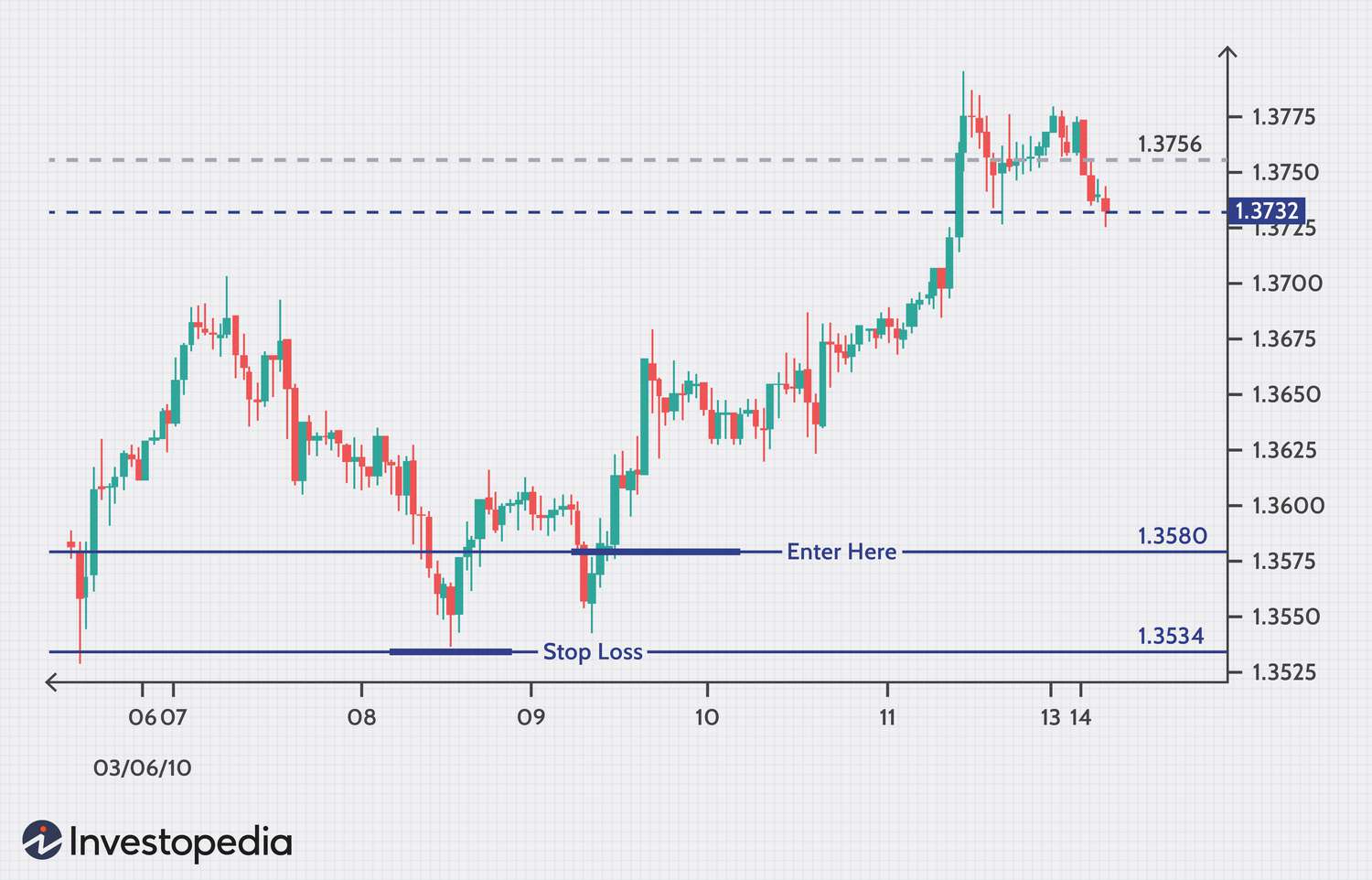
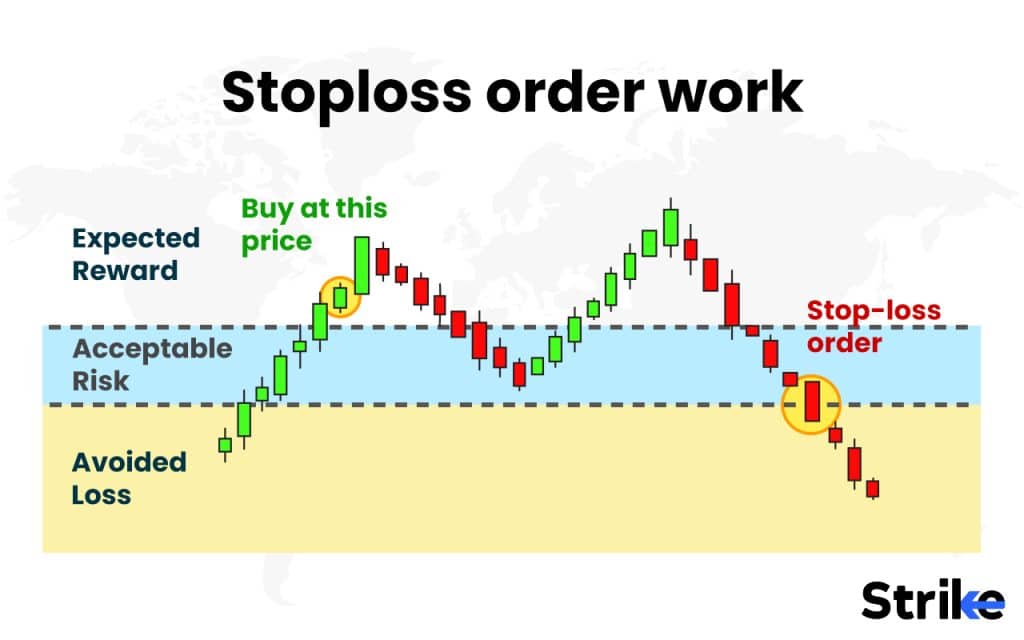
2. Stop Loss Orders: Your Safety Net
A stop loss is like an emergency brake – it automatically closes your position when the market moves against you by a predetermined amount. Never trade without one!
Types of Stop Loss Orders:
- Fixed Stop Loss: Set at a specific price level
- Trailing Stop Loss: Moves with profitable trades to lock in gains
- Time-Based Stop Loss: Closes trades after a specific duration
3. Risk-Reward Ratio: The Professional’s Edge
Would you risk $100 to make $50? Of course not! Yet many traders do exactly this. A proper risk-reward ratio ensures your winners outweigh your losers.
“You don’t need to win every trade to be profitable. With a 1:3 risk-reward ratio, you can be wrong 70% of the time and still make money!”
Here’s how different risk-reward ratios affect your required win rate:
| Risk-Reward Ratio | Breakeven Win Rate | Profitable Win Rate |
|---|---|---|
| 1:1 | 50% | 51%+ |
| 1:2 | 33.3% | 34%+ |
| 1:3 | 25% | 26%+ |
| 1:4 | 20% | 21%+ |
Advanced Risk Management Strategies
Portfolio Diversification in Forex
Don’t put all your eggs in one basket – or in forex terms, don’t put all your capital in one currency pair. Diversification spreads risk across multiple positions.
Effective Diversification Methods:
- Currency Correlation: Avoid trading highly correlated pairs simultaneously
- Time Frame Diversification: Mix short-term and long-term trades
- Strategy Diversification: Use multiple trading strategies
Learn more about correlation in our article on Currency Correlation Expert Advisors.
The Kelly Criterion: Mathematical Position Sizing
The Kelly Criterion is a mathematical formula that calculates optimal position sizes based on your trading edge. While complex, it provides a scientific approach to position sizing.
Kelly Formula: f = (bp – q) / b
Where:
- f = fraction of capital to risk
- b = odds received on the bet (risk-reward ratio)
- p = probability of winning
- q = probability of losing (1-p)
Psychological Aspects of Risk Management
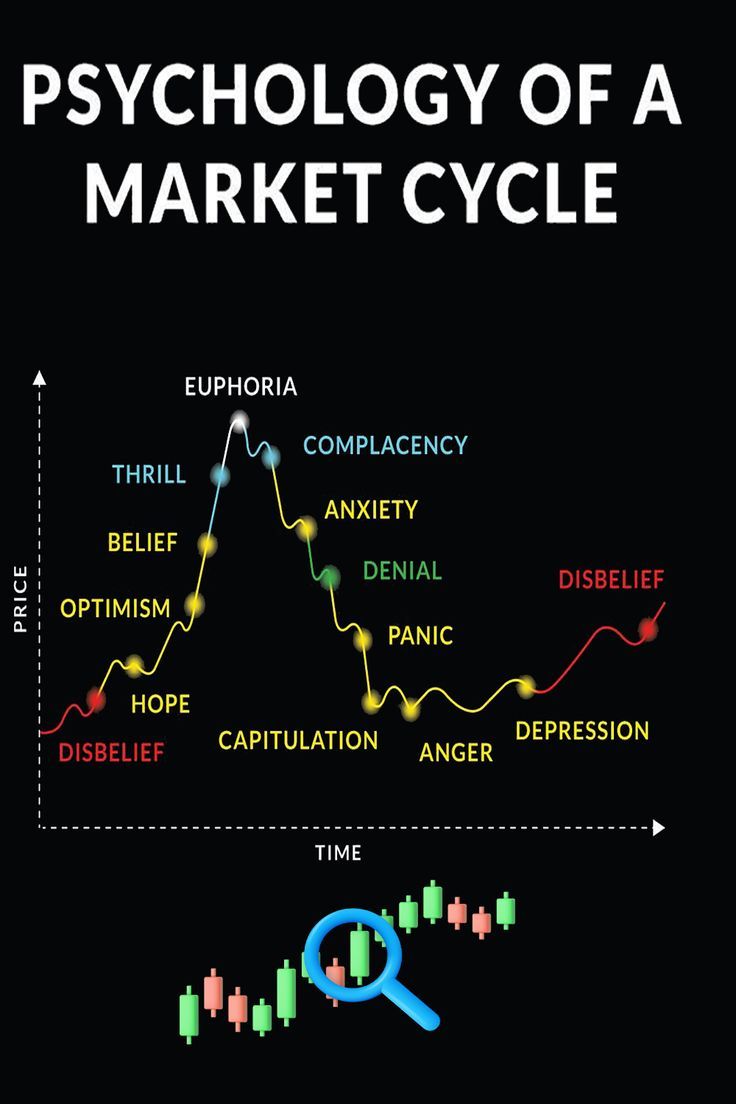
Your mind is your greatest asset – or your worst enemy. Understanding trading psychology is crucial for implementing risk management effectively.
Common Psychological Pitfalls:
- Revenge Trading: Increasing position sizes after losses
- Overconfidence: Abandoning rules after winning streaks
- Fear of Missing Out (FOMO): Entering trades without proper analysis
- Analysis Paralysis: Over-analyzing to the point of inaction
According to research by Investopedia on trading psychology, emotional decision-making accounts for over 80% of trading losses.
Building Your Personal Risk Management Plan
A risk management plan is like a business plan – it keeps you focused and accountable. Here’s how to create yours:
Step 1: Define Your Risk Tolerance
Ask yourself these questions:
- What’s the maximum drawdown I can handle emotionally?
- How much can I afford to lose without affecting my lifestyle?
- What are my income goals from trading?
Step 2: Set Clear Rules
Your trading rules should be specific and measurable:
- Maximum risk per trade: 1-2% of account balance
- Maximum daily loss: 3-5% of account balance
- Minimum risk-reward ratio: 1:2 or better
- Maximum open positions: 3-5 trades
Step 3: Document Everything
Keep a detailed trading journal including:
- Entry and exit points
- Position sizes
- Risk-reward ratios
- Emotional state during trades
- Lessons learned from each trade
Consider using our Trade Manager EA to automate record-keeping and ensure consistent rule application.
Common Risk Management Mistakes to Avoid
Even experienced traders fall into these traps. Learn from others’ mistakes:
1. Moving Stop Losses
Moving your stop loss further away when a trade goes against you is like removing your seatbelt during a car crash. It defeats the entire purpose!
2. Averaging Down
Adding to losing positions might work in stock investing, but in leveraged forex trading, it’s a recipe for disaster. As the saying goes, “Don’t throw good money after bad.”
3. Ignoring Correlation
Trading EUR/USD and GBP/USD simultaneously is essentially doubling your risk on USD movements. Always check currency correlations before opening multiple positions.
4. Over-Leveraging
Just because your broker offers 1:500 leverage doesn’t mean you should use it. Professional traders rarely use more than 1:10 leverage.
Tools and Resources for Better Risk Management
Modern technology offers numerous tools to enhance your risk management:
Essential Risk Management Tools:
- Position Size Calculators: Automatically calculate optimal position sizes
- Risk Management EAs: Automate stop loss and take profit management
- Trading Journals: Track performance and identify weaknesses
- Economic Calendars: Avoid trading during high-impact news events
For comprehensive risk management automation, explore our selection of Risk Management Expert Advisors.
Additionally, BabyPips offers excellent free educational resources on risk management fundamentals.
Measuring and Improving Your Risk Management
You can’t improve what you don’t measure. Key metrics to track include:
| Metric | What It Measures | Target Range |
|---|---|---|
| Maximum Drawdown | Largest peak-to-trough decline | < 20% |
| Risk-Adjusted Return | Return relative to risk taken | > 1.5 |
| Win Rate | Percentage of winning trades | Depends on R:R ratio |
| Average Risk-Reward | Average reward vs. risk per trade | > 2:1 |
| Recovery Factor | Net profit / Maximum drawdown | > 3 |
The Future of Risk Management in Forex
As technology evolves, so does risk management. Emerging trends include:
- AI-Powered Risk Analysis: Machine learning algorithms that adapt to market conditions
- Sentiment-Based Risk Adjustment: Modifying position sizes based on market sentiment
- Blockchain Transparency: Immutable trade records for better analysis
- Social Trading Risk Metrics: Learning from community trading patterns

Conclusion: Your Risk Management Action Plan
Risk management in forex isn’t just about protecting your capital – it’s about creating sustainable, long-term success. Remember, the goal isn’t to avoid all risks but to take calculated risks that align with your goals.
Here’s your immediate action plan:
- Today: Calculate your maximum risk per trade (1-2% of account)
- This Week: Create written trading rules and stick them near your trading station
- This Month: Start a trading journal and review it weekly
- Ongoing: Continuously educate yourself and refine your approach
Remember Sarah and John from our opening example? Sarah’s disciplined approach to risk management didn’t just preserve her capital – it gave her the psychological freedom to trade without fear, leading to consistent profitability over time.
The difference between amateur and professional traders isn’t talent or luck – it’s discipline and proper risk management. Which trader will you choose to be?
Start implementing these risk management strategies today, and watch how they transform your trading results. Your future self will thank you for the discipline you show today.
“In trading, it’s not about how much you make, but how much you don’t lose. Master risk management, and profits will follow.”