









Blog
Forex Leverage Explained: What is Leverage in Forex Trading? Complete Guide to Pros and Cons

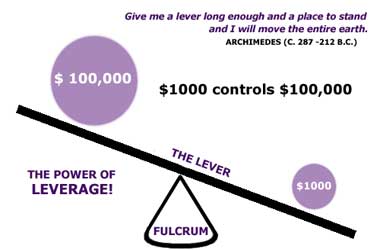
Have you ever wondered how traders control $100,000 worth of currency with just $1,000 in their account? The answer lies in forex leverage – a powerful tool that can multiply both your profits and losses. Understanding leverage is crucial for anyone serious about forex trading, as it’s the double-edged sword that makes the forex market both exciting and potentially dangerous.
What is Leverage in Forex Trading?
Forex leverage is essentially a loan provided by your broker that allows you to control a larger position than your actual capital would permit. Think of it like this: if you’re buying a house with a mortgage, you’re using leverage – you put down 20% and borrow the remaining 80%. In forex trading, this concept is taken to another level.
When you trade with leverage, you’re using borrowed capital to increase your potential returns. For example, with 100:1 leverage, you can control $100,000 worth of currency with just $1,000 of your own money. This amplification effect is what makes forex trading accessible to retail traders who don’t have hundreds of thousands of dollars to invest.
How Does Leverage Work in Practice?
Let’s break down a real-world example to understand how leverage works in forex trading:
Example: You have $1,000 in your trading account and want to trade EUR/USD. Without leverage, you could only buy $1,000 worth of euros. But with 100:1 leverage, you can control a $100,000 position. If EUR/USD moves up by 1%, your profit would be $1,000 (1% of $100,000) instead of just $10 (1% of $1,000).
Understanding Leverage Ratios
Different brokers offer different leverage ratios, and understanding these is crucial for managing your risk. Here’s a comparison table of common leverage ratios:
| Leverage Ratio | Your Capital | Position Size You Control | Margin Required |
|---|---|---|---|
| 50:1 | $1,000 | $50,000 | 2% |
| 100:1 | $1,000 | $100,000 | 1% |
| 200:1 | $1,000 | $200,000 | 0.5% |
| 500:1 | $1,000 | $500,000 | 0.2% |
The margin required is the percentage of the total position size that you need to have in your account. For instance, with 100:1 leverage, you need just 1% of the position size as margin.
The Pros of Using Leverage in Forex Trading
1. Increased Profit Potential
The most obvious advantage of leverage is the ability to amplify your profits. With proper risk management strategies, leverage can help you achieve significant returns even with a small initial investment. For example, a 1% favorable move in your position with 100:1 leverage equals a 100% return on your invested capital.
2. Capital Efficiency
Leverage allows you to use your capital more efficiently. Instead of tying up $100,000 to trade a standard lot, you can use just $1,000 and allocate the remaining capital to other trading opportunities or keep it as a safety buffer.
3. Access to More Trading Opportunities
With leverage, retail traders can access currency pairs and position sizes that would otherwise be out of reach. This democratization of the forex market has made it possible for individuals to compete alongside institutional traders.
4. Flexibility in Position Sizing
Leverage provides flexibility in adjusting your position sizes according to your trading strategy. You can take smaller positions when uncertain and larger positions when you have high conviction, all while maintaining the same account balance.
The Cons and Risks of Forex Leverage
1. Magnified Losses
Just as leverage amplifies profits, it equally amplifies losses. A 1% adverse move with 100:1 leverage means you lose 100% of your invested capital. This is why understanding leverage risks is paramount before you start trading.
2. Margin Calls and Stop-Outs
When your account equity falls below the required margin level, you’ll face a margin call. If you can’t add more funds, your broker will automatically close your positions at a loss. This can happen quickly in volatile markets, especially with high leverage.

3. Psychological Pressure
Trading with high leverage can create intense psychological pressure. Watching your account balance fluctuate by hundreds or thousands of dollars with small price movements can lead to emotional decision-making and poor trading choices.
4. Overtrading Tendency
The availability of high leverage often tempts traders to take positions that are too large for their account size. This overtrading can quickly lead to account depletion, especially for inexperienced traders.
How to Calculate Leverage and Position Size
Understanding how to calculate your leverage and appropriate position size is crucial for forex risk management. Here’s a step-by-step guide:
- Determine your risk tolerance: Decide what percentage of your account you’re willing to risk per trade (typically 1-2%)
- Calculate your position size: Position Size = (Account Balance × Risk %) / (Stop Loss in Pips × Pip Value)
- Check leverage requirements: Ensure your chosen position size doesn’t exceed your broker’s leverage limits
- Apply proper money management: Never risk more than you can afford to lose
Best Practices for Using Leverage Safely
Start with Lower Leverage
If you’re new to forex trading, start with lower leverage ratios like 10:1 or 20:1. This gives you room to make mistakes without blowing up your account. As you gain experience and develop consistent profitability, you can gradually increase your leverage.
Use Stop-Loss Orders Religiously
Always use stop-loss orders to limit your downside risk. This is non-negotiable when trading with leverage. Calculate your stop-loss levels before entering a trade and stick to them.
Implement the 2% Rule
Never risk more than 2% of your account balance on a single trade. This rule ensures you can withstand a series of losing trades without devastating your account. With proper money management, you can survive even 20 consecutive losses.
Understand Market Conditions
Different market conditions require different leverage approaches. During high volatility events like major economic releases, consider reducing your leverage to account for increased price swings.
Leverage Regulations Around the World
Different countries have different regulations regarding maximum leverage for forex trading. Here’s what you need to know:
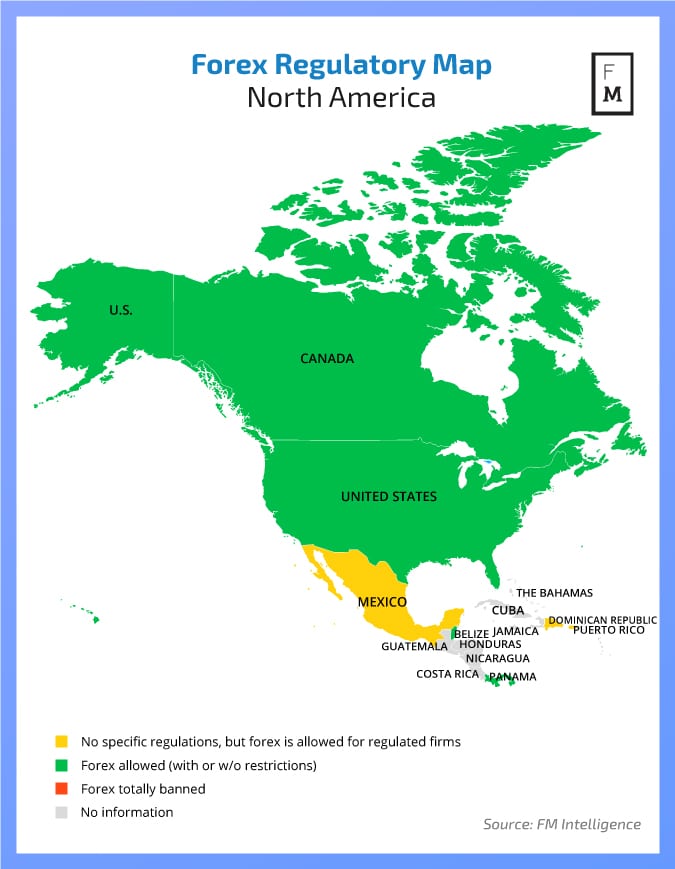
- United States: Maximum leverage of 50:1 for major currency pairs
- European Union: Maximum leverage of 30:1 for major pairs under ESMA regulations
- Australia: Maximum leverage of 30:1 for retail traders
- Japan: Maximum leverage of 25:1
- Other regions: Many offshore brokers offer leverage up to 500:1 or even 1000:1
Common Leverage Mistakes to Avoid
1. Using Maximum Available Leverage
Just because your broker offers 500:1 leverage doesn’t mean you should use it. Higher leverage means higher risk, and most professional traders use much lower leverage than what’s available to them.
2. Ignoring Account Balance Changes
As your account balance changes, so does your effective leverage. Always recalculate your position sizes based on your current account balance, not your starting balance.
3. Averaging Down with Leverage
Adding to losing positions (averaging down) is dangerous when using leverage. This strategy can quickly lead to margin calls and significant losses.
4. Trading Without a Plan
Leverage amplifies the consequences of poor planning. Always have a clear trading plan that includes entry points, exit points, and risk management rules.
Advanced Leverage Strategies
Dynamic Leverage Adjustment
Experienced traders often adjust their leverage based on market conditions and trade setups. For high-probability setups with tight stop-losses, they might use higher leverage. For uncertain market conditions, they reduce leverage significantly.
Portfolio Leverage Management
Instead of looking at leverage on a per-trade basis, consider your overall portfolio leverage. If you have multiple positions open, your combined leverage might be higher than you realize. Tools like position size calculators can help manage this effectively.
Frequently Asked Questions About Forex Leverage
Is high leverage always bad?
Not necessarily. High leverage is a tool – it’s neither good nor bad inherently. The key is how you use it. Professional traders often have access to very high leverage but use it responsibly with strict risk management.
Can I change my leverage ratio?
Yes, most brokers allow you to adjust your leverage ratio. Some even offer dynamic leverage that automatically adjusts based on your position size. Check with your broker for specific options.
What’s the best leverage for beginners?
For beginners, leverage between 10:1 and 20:1 is generally recommended. This provides enough capital efficiency while limiting the risk of catastrophic losses during the learning phase.
Conclusion: Mastering Leverage for Trading Success
Forex leverage is undoubtedly one of the most powerful tools in a trader’s arsenal, but it requires respect and understanding. The key to successful leverage use lies not in maximizing it, but in optimizing it according to your skill level, risk tolerance, and market conditions.
Remember, the goal of trading isn’t to make the most money in the shortest time – it’s to stay in the game long enough to become consistently profitable. By understanding both the advantages and risks of leverage, implementing proper risk management, and continuously educating yourself, you can harness the power of leverage while protecting your trading capital.
Whether you’re using automated trading systems or trading manually, the principles of leverage management remain the same. Start small, learn continuously, and always prioritize capital preservation over potential profits. With time and experience, you’ll develop an intuitive understanding of how to use leverage effectively in your forex trading journey.
Ready to put your leverage knowledge into practice? Consider starting with a demo account to test different leverage ratios risk-free, and explore our collection of risk management tools designed to help you trade more safely and effectively.