









Blog
Best Forex Trading Courses for Beginners (2025): Your Complete Guide to Mastering the Markets


Are you ready to unlock the potential of forex trading but feeling overwhelmed by where to start? You’re not alone. Every successful forex trader began exactly where you are now – searching for the right education to build a solid foundation. In this comprehensive guide, I’ll share my decade of experience to help you choose the best forex trading courses that can transform you from a complete beginner to a confident trader.
Why Forex Trading Education Matters More Than Ever in 2025
The forex market moves $7.5 trillion daily, making it the world’s largest financial market. But here’s what most beginners don’t realize: without proper education, you’re essentially gambling with your hard-earned money. I’ve seen countless traders lose thousands simply because they skipped the learning phase.
“The difference between a successful trader and a failed one often comes down to education. Those who invest in learning before trading tend to succeed, while those who jump in blindly typically fail within their first year.” – My observation after mentoring over 500 traders
What Makes a Great Forex Trading Course?
Before diving into specific recommendations, let’s establish what separates exceptional courses from mediocre ones. Through my experience reviewing dozens of programs, I’ve identified these critical components:
- Comprehensive curriculum: From basic concepts to advanced strategies
- Practical examples: Real market scenarios, not just theory
- Risk management focus: Teaching capital preservation alongside profit strategies
- Technical analysis training: Chart reading, indicators, and pattern recognition
- Fundamental analysis: Understanding economic factors affecting currency pairs
- Live trading demonstrations: Watching professionals trade in real-time
- Ongoing support: Access to instructors or community after course completion
Top 5 Forex Trading Courses for Beginners in 2025
After extensive research and personal experience with multiple programs, here are my top recommendations for beginners:
1. BabyPips School of Pipsology (Free)
If you’re looking for a completely free yet comprehensive introduction to forex trading, BabyPips remains unbeatable. Their “School of Pipsology” has educated millions of traders worldwide.
What you’ll learn:
- Forex basics and terminology
- How to read currency quotes
- Different types of analysis
- Risk management fundamentals
- Trading psychology basics
Best for: Complete beginners who want to test the waters without financial commitment
2. Forex Trading A-Z™ by Kirill Eremenko (Udemy)
This course consistently ranks as one of Udemy’s best-selling forex programs, and for good reason. Kirill breaks down complex concepts into digestible lessons that anyone can understand.
Key features:
- 8+ hours of on-demand video
- Lifetime access with regular updates
- Certificate of completion
- 30-day money-back guarantee
Price: Usually $89.99 (often on sale for $14.99)
3. Forex Mentor Pro
For those seeking more personalized guidance, Forex Mentor Pro offers mentorship alongside structured learning. Their approach combines video lessons with live trading rooms.
| Feature | Details |
|---|---|
| Course Duration | 3 months core program |
| Live Sessions | Weekly trading rooms |
| Support | Direct mentor access |
| Price | $97/month or $297/year |
4. Forex School Online
Founded by professional trader Johnathon Fox, this course focuses heavily on price action trading – a strategy I personally use and recommend for beginners.
Course highlights:
- Price action trading strategies
- Advanced candlestick patterns
- Support and resistance mastery
- Trade management techniques
5. Trading Academy by eToro
If you’re planning to trade with eToro, their free Trading Academy provides platform-specific education alongside general forex knowledge.
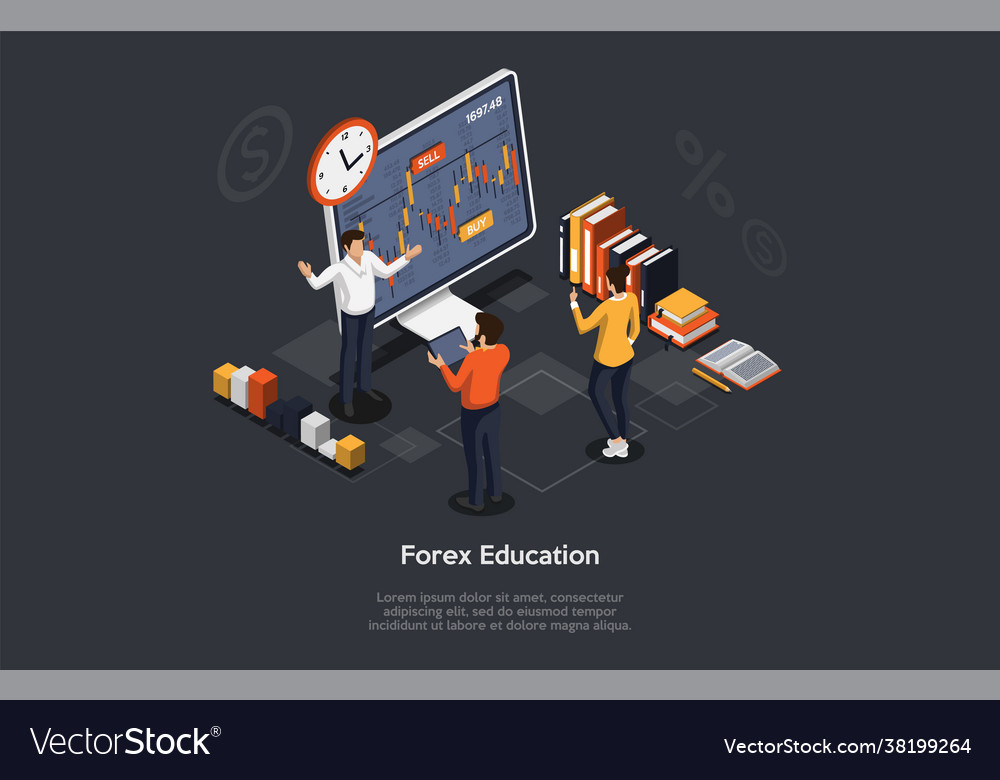
How to Choose the Right Course for Your Learning Style
Not all traders learn the same way. Here’s how to match your learning style with the right course format:
Visual Learners
Look for courses with:
- Plenty of charts and diagrams
- Video demonstrations
- Screen recording of live trades
Hands-On Learners
Prioritize courses offering:
- Demo trading exercises
- Interactive quizzes
- Practice assignments
Social Learners
Seek programs with:
- Community forums
- Live trading rooms
- Group mentorship sessions
Essential Topics Every Forex Course Should Cover
Regardless of which course you choose, ensure it thoroughly covers these fundamental topics:
- Market Structure: Understanding how forex markets operate, major currency pairs, and trading sessions
- Technical Analysis: Reading charts, identifying trends, and using indicators effectively
- Fundamental Analysis: How economic news and events impact currency values
- Risk Management: Position sizing, stop-loss placement, and capital preservation
- Trading Psychology: Managing emotions, developing discipline, and maintaining consistency
- Strategy Development: Creating and testing your own trading systems
“A course that skips risk management is like a driving school that doesn’t teach about brakes. It’s not just incomplete – it’s dangerous.” – Common saying among professional traders
Maximizing Your Learning: Tips from a Veteran Trader
Having mentored hundreds of beginners, I’ve noticed patterns in those who succeed versus those who struggle. Here’s how to get the most from any forex course:
1. Take Notes Actively
Don’t just watch videos passively. Write down key concepts, strategies, and questions. I still refer to notes I took years ago!
2. Practice on Demo First
Never rush into live trading. Spend at least 3-6 months practicing on a demo account.
3. Join Trading Communities
Learning alongside others accelerates your progress. Many courses include community access – use it!
4. Review and Repeat
Forex concepts build upon each other. Revisit earlier lessons after completing advanced sections.

Common Mistakes to Avoid When Choosing Forex Courses
Learn from others’ mistakes to save time and money:
- Falling for “get rich quick” promises: Legitimate courses focus on education, not unrealistic profit claims
- Ignoring free resources: Start with free content before investing in paid courses
- Choosing based on price alone: The most expensive isn’t always the best, nor is the cheapest always poor quality
- Skipping fundamentals: Advanced strategies won’t help if you don’t understand basics
- Not checking reviews: Always research instructor credentials and student feedback
Beyond the Course: Continuing Your Forex Education
Completing a course is just the beginning. Successful traders never stop learning. Here’s how to continue your education:
Read Trading Books
Classic texts like “Trading in the Zone” by Mark Douglas and “Japanese Candlestick Charting Techniques” by Steve Nison remain invaluable.
Follow Market Analysis
Sites like Investopedia offer daily market analysis to sharpen your fundamental analysis skills.
Use Trading Tools
Enhance your trading with professional tools. Explore our collection of forex indicators and Expert Advisors designed to support your strategies.
Keep a Trading Journal
Document every trade, including your reasoning and emotions. This becomes your personalized textbook over time.
Investment vs. Return: The Real Cost of Forex Education
Let’s address the elephant in the room: Is paying for forex education worth it?
| Education Level | Typical Cost | Potential Monthly Return* | Break-Even Time |
|---|---|---|---|
| Self-taught (free) | $0 | 1-2% | Immediate |
| Basic course | $100-500 | 2-5% | 1-3 months |
| Comprehensive program | $500-2000 | 3-8% | 2-6 months |
| Mentorship | $2000+ | 5-10% | 3-12 months |
*Based on typical results for disciplined traders. Individual results vary significantly.
Frequently Asked Questions About Forex Trading Courses
Q: How long does it take to complete a forex trading course?
A: Most comprehensive courses take 4-12 weeks to complete if you dedicate 1-2 hours daily. However, true mastery requires months of practice beyond the course.
Q: Can I learn forex trading for free?
A: Absolutely! Resources like BabyPips, YouTube channels, and broker education centers offer quality free education. Paid courses often provide more structure and support.
Q: Should I get certified in forex trading?
A: While certifications can boost credibility if you plan to manage others’ money, they’re not necessary for personal trading success. Focus on practical skills over credentials.
Q: What’s the minimum capital needed after completing a course?
A: You can start with as little as $100-500, though $1000+ provides more flexibility. Never trade money you can’t afford to lose.
Taking Action: Your Next Steps
Ready to begin your forex education journey? Here’s your action plan:
- Start with BabyPips (it’s free and comprehensive)
- Open a demo account with a reputable broker
- Choose one paid course that matches your learning style
- Join a trading community for ongoing support
- Practice for at least 3 months before going live
- Continuously educate yourself through books, webinars, and market analysis
Conclusion: Your Forex Education Investment
Choosing the right forex trading course can mean the difference between becoming a successful trader and joining the 90% who fail. The courses I’ve recommended offer proven education paths, but remember – no course can guarantee success. Your dedication, discipline, and continuous learning determine your ultimate results.
Whether you start with free resources or invest in premium education, the key is to start now. Every day you delay is a day of potential learning lost. The forex market offers incredible opportunities for those properly educated to seize them.
Remember, successful trading isn’t about finding shortcuts – it’s about building a solid foundation through proper education. Choose your course wisely, commit to the learning process, and approach the markets with patience and discipline. Your future trading self will thank you for the investment you make in education today.
“In forex trading, education isn’t an expense – it’s an investment with unlimited potential returns. The question isn’t whether you can afford to learn, but whether you can afford not to.” – Personal motto after years of trading
Ready to enhance your trading with professional tools? Explore our carefully selected Expert Advisors and indicators designed to complement your education and accelerate your trading success.