









Blog
Is Forex Trading Legal? Understanding Global Forex Regulations in 2025


Have you ever wondered is forex trading legal in your country? This question keeps many potential traders awake at night, and for good reason. The legality of forex trading varies dramatically across the globe, creating a complex landscape that can be challenging to navigate.
As someone who’s been trading forex for over a decade, I’ve witnessed firsthand how regulations can make or break your trading journey. Today, I’ll share everything you need to know about forex trading regulations worldwide, helping you trade with confidence and compliance.
What Exactly Is Forex Trading?
Before diving into legality, let’s clarify what we’re discussing. Forex trading, or foreign exchange trading, involves buying and selling currencies to profit from exchange rate fluctuations. It’s the world’s largest financial market, with over $7.5 trillion traded daily.
Think of it this way: when you exchange dollars for euros before a European vacation, you’re participating in the forex market. Professional traders simply do this on a larger scale, using sophisticated tools and strategies.
“The forex market never sleeps – it’s a 24-hour global marketplace where fortunes are made and lost based on economic fundamentals and market sentiment.” – BabyPips Trading Education
Why Do Countries Regulate Forex Trading?
Understanding why forex trading regulations exist helps explain the varying legal landscapes. Governments implement these rules for several crucial reasons:
- Investor Protection: Preventing scams and fraudulent brokers from exploiting traders
- Market Stability: Maintaining orderly currency markets and preventing manipulation
- Tax Revenue: Ensuring proper taxation of trading profits
- Capital Controls: Managing currency flows to protect national economic interests
- Anti-Money Laundering: Preventing illegal funds from entering the financial system
Is Forex Trading Legal? A Global Perspective
The answer to “is forex trading legal” isn’t straightforward – it depends entirely on your location. Let’s explore the regulatory landscape across different regions:
Countries Where Forex Trading Is Fully Legal and Regulated
| Country/Region | Regulatory Body | Key Requirements |
|---|---|---|
| United States | CFTC & NFA | 50:1 leverage limit, FIFO rule, no hedging |
| United Kingdom | FCA | 30:1 leverage for majors, negative balance protection |
| Australia | ASIC | 30:1 leverage limit, client money segregation |
| European Union | ESMA & National Regulators | 30:1 leverage, risk warnings required |
| Japan | FSA | 25:1 leverage limit, strict broker requirements |

Countries Where Forex Trading Is Restricted or Prohibited
Some nations have taken a more restrictive approach to forex trading legality:
- China: Retail forex trading is prohibited, though institutional trading continues
- India: Only allowed through registered Indian exchanges with limited currency pairs
- Russia: Restricted to qualified investors meeting specific criteria
- Turkey: Leverage limited to 10:1, with strict broker regulations
- South Korea: Heavily restricted with low leverage limits
How to Verify Forex Trading Legality in Your Country
Wondering is forex trading legal where you live? Here’s a step-by-step guide to finding out:
Step 1: Check Your Country’s Financial Regulatory Authority
Every country has a financial regulatory body. Start by visiting their official website.
Step 2: Review Current Legislation
Look for specific laws regarding:
- Retail forex trading permissions
- Leverage restrictions
- Approved broker lists
- Tax obligations for traders
Step 3: Consult Legal Professionals
When in doubt, consult a financial attorney familiar with your local regulations. This small investment can save you from costly legal troubles.
Choosing Legal and Regulated Forex Brokers
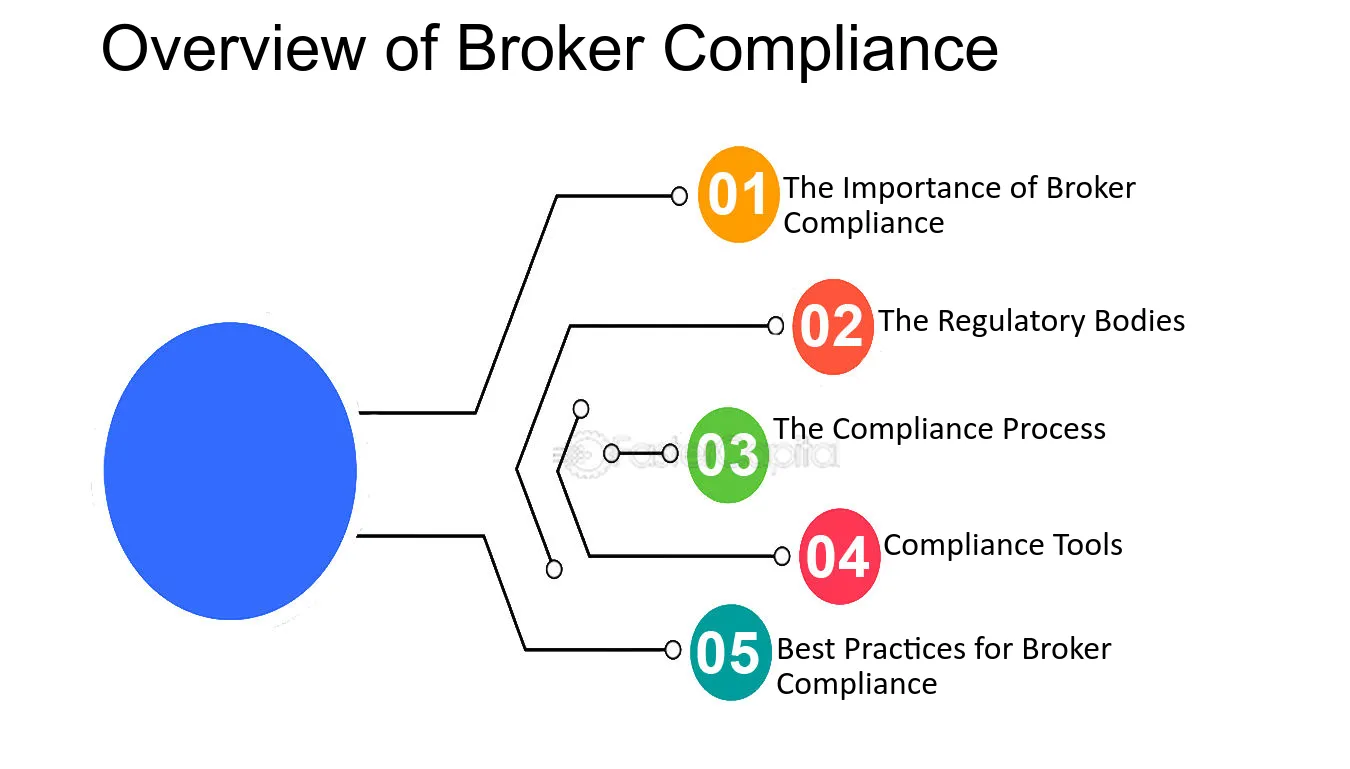
Even in countries where forex trading is legal, choosing the right broker is crucial. Here’s what to look for:
“A regulated broker isn’t just a legal requirement – it’s your first line of defense against fraud and malpractice in the forex market.” – Financial Conduct Authority Guidelines
Essential Broker Verification Steps
- Regulatory License: Verify the broker’s license number on the regulator’s website
- Segregated Funds: Ensure client funds are kept separate from company funds
- Compensation Schemes: Check if the broker participates in investor protection programs
- Transparent Pricing: Look for clear spreads, commissions, and fee structures
- Dispute Resolution: Confirm access to independent dispute resolution services
Tax Implications of Legal Forex Trading
Understanding forex trading tax laws is just as important as knowing its legality. Tax treatment varies significantly:
| Country | Tax Treatment | Rate |
|---|---|---|
| United States | Capital gains or ordinary income | 15-37% depending on holding period |
| United Kingdom | Capital gains or spread betting (tax-free) | 10-20% on gains above allowance |
| Australia | Capital gains tax | Marginal tax rate with 50% discount for long-term |
| Canada | Business income or capital gains | 50% of gains taxable at marginal rate |
Common Forex Trading Scams to Avoid
Even where forex trading is legal, scammers operate in the shadows. Protect yourself by recognizing these red flags:
- Guaranteed Returns: No legitimate broker promises risk-free profits
- Pressure Tactics: Urgent “limited time” offers to deposit funds
- Unregulated Brokers: Operating without proper licenses
- Signal Seller Scams: Charging for “insider” trading signals
- Robot Trading Scams: Promising automated wealth with no effort
For reliable trading tools and Expert Advisors, always choose reputable sources like ShopForexEA.com, where products are thoroughly tested and reviewed.
The Future of Forex Trading Regulations
The landscape of forex trading legality continues to evolve. Recent trends include:
- Cryptocurrency Integration: Regulators grappling with crypto-forex trading pairs
- Enhanced KYC Requirements: Stricter identity verification procedures
- Leverage Harmonization: Global efforts to standardize leverage limits
- Technology Regulations: Rules for algorithmic and high-frequency trading
- Cross-Border Cooperation: International regulatory partnerships
Practical Tips for Legal Forex Trading
Now that you understand is forex trading legal in various jurisdictions, here are actionable steps to trade legally and safely:
For Beginner Traders:
- Start with a demo account from a regulated broker
- Document all trades for tax purposes from day one
- Join regulated broker educational programs
- Never trade with money you can’t afford to lose
For Experienced Traders:
- Regularly review changing regulations in your jurisdiction
- Consider forming a trading entity for tax efficiency
- Maintain detailed records for audit purposes
- Stay informed about international regulatory changes
Frequently Asked Questions About Forex Trading Legality
Q: Can I trade forex if it’s illegal in my country?
A: No, trading forex where it’s prohibited can result in serious legal consequences, including fines and criminal charges. Always comply with local laws.
Q: What happens if my country bans forex trading after I’ve started?
A: Typically, you’ll be given a grace period to close positions and withdraw funds. Monitor regulatory announcements closely.
Q: Are offshore brokers a way around local restrictions?
A: Using offshore brokers to circumvent local laws is illegal and risky. You’ll have no legal recourse if problems arise.
Q: How do I report forex trading income for taxes?
A: Consult a tax professional familiar with trading income in your jurisdiction. Requirements vary significantly between countries.
Conclusion: Trading Forex Legally and Profitably
Understanding is forex trading legal in your country is the foundation of a successful trading career. While regulations may seem restrictive, they exist to protect traders and maintain market integrity.
Remember these key takeaways:
- Always verify the legal status of forex trading in your jurisdiction
- Choose only regulated brokers with proper licenses
- Maintain accurate records for tax compliance
- Stay informed about regulatory changes
- Never attempt to circumvent legal restrictions
Whether you’re just starting or looking to enhance your trading with professional Expert Advisors, trading legally isn’t just about avoiding problems – it’s about building a sustainable, profitable trading business on solid foundations.
The forex market offers incredible opportunities for those who approach it professionally and legally. By understanding and respecting the regulations in your country, you’re not limiting yourself – you’re ensuring long-term success in the world’s most liquid financial market.
Ready to start your legal forex trading journey? Explore our collection of verified trading tools and Expert Advisors designed to help you trade smarter, not harder.