









Blog
Forex Trading System for Beginners and Experts


A forex trading system is your roadmap to navigating the complex world of currency trading. Whether you’re a beginner looking to understand the basics or an expert seeking advanced strategies, having a well-defined trading system is crucial for consistent success in the forex market.
What is a Forex Trading System?
A forex trading system is a set of rules and parameters that determine your trading decisions. Think of it as your personal trading blueprint that tells you:
- When to enter a trade
- When to exit a trade
- How much to risk per trade
- Which currency pairs to trade
- What timeframes to use
“A trading system is like a recipe for success – follow it consistently, and you’ll get predictable results.” – Professional Trader’s Wisdom
Why Do You Need a Trading System?
Imagine trying to build a house without blueprints. That’s what trading without a system is like. Here’s why having a structured forex trading system is essential:
- Eliminates Emotional Trading: Your system makes decisions based on logic, not fear or greed
- Provides Consistency: Following the same rules leads to predictable outcomes
- Enables Performance Tracking: You can measure what works and what doesn’t
- Saves Time: No need to analyze every market movement from scratch
Types of Forex Trading Systems
Understanding different trading system types helps you choose the one that matches your personality and lifestyle. Let’s explore the main categories:
1. Manual Trading Systems
With manual systems, you make all trading decisions yourself. You analyze charts, identify patterns, and execute trades manually. This approach is perfect for traders who enjoy being hands-on and have time to monitor the markets.
Pros:
- Complete control over every trade
- Ability to adapt to changing market conditions
- Develops your trading skills and market understanding
Cons:
- Time-consuming
- Prone to emotional decisions
- Requires constant market monitoring
2. Automated Trading Systems (Expert Advisors)
Automated systems, also known as Expert Advisors (EAs), execute trades automatically based on pre-programmed rules. These systems run on platforms like MetaTrader 4 and MetaTrader 5.
Pros:
- Trades 24/5 without human intervention
- Eliminates emotional trading completely
- Can monitor multiple currency pairs simultaneously
Cons:
- Cannot adapt to unexpected market events
- Requires technical knowledge to set up and maintain
- May need regular optimization
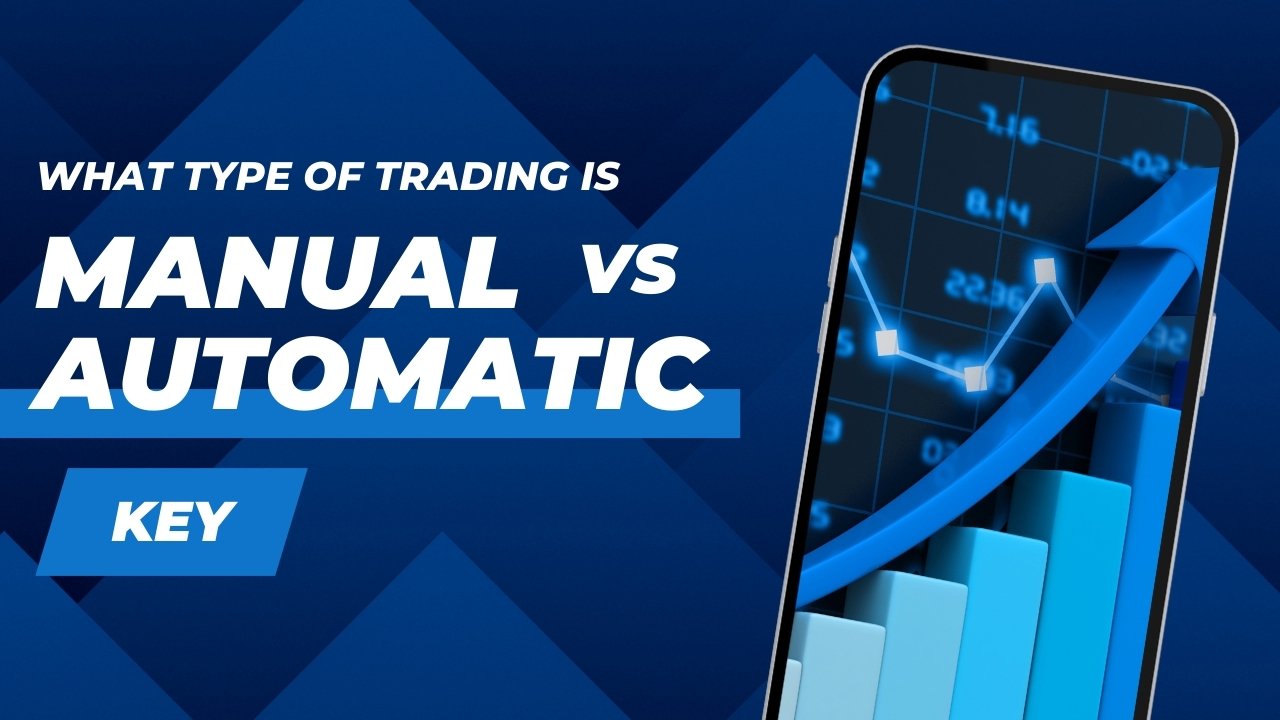
3. Hybrid Trading Systems
Hybrid systems combine the best of both worlds. You might use an EA to identify trading opportunities but manually confirm and execute trades. This approach balances automation efficiency with human judgment.
Essential Components of a Successful Trading System
Every effective forex trading system must include these core components:
1. Market Analysis Method
Your system needs a clear method for analyzing the market. The two main approaches are:
| Technical Analysis | Fundamental Analysis |
|---|---|
| Uses charts and indicators | Analyzes economic data |
| Focuses on price patterns | Considers news and events |
| Good for short-term trading | Better for long-term positions |
| Examples: Moving Averages, RSI, MACD | Examples: GDP, interest rates, employment data |
2. Entry Rules
Your system must clearly define when to enter a trade. For example:
Example Entry Rule: “Buy EUR/USD when the 50-period moving average crosses above the 200-period moving average, AND the RSI is above 50 but below 70.”
3. Exit Rules
Knowing when to exit is just as important as knowing when to enter. Your system should specify:
- Take Profit Levels: Where to close trades in profit
- Stop Loss Levels: Where to cut losses
- Trailing Stop Rules: How to protect profits as trades move in your favor

4. Risk Management Rules
This is perhaps the most critical component. Your risk management rules should include:
- Position Sizing: Never risk more than 1-2% of your account per trade
- Maximum Daily Loss: Stop trading if you lose 5% in a day
- Correlation Management: Avoid trading highly correlated pairs simultaneously
- Leverage Limits: Use appropriate leverage for your experience level
Building Your Own Forex Trading System: Step-by-Step Guide
Creating your own personalized trading system doesn’t have to be complicated. Follow these steps:
Step 1: Define Your Trading Style
First, determine what type of trader you are:
- Scalper: Holds trades for minutes (requires full-time attention)
- Day Trader: Closes all positions before market close
- Swing Trader: Holds positions for days or weeks
- Position Trader: Maintains trades for months
Step 2: Choose Your Currency Pairs
Start with major pairs like EUR/USD, GBP/USD, or USD/JPY. These pairs have:
- High liquidity
- Tight spreads
- Predictable behavior
- Abundant analysis resources
Step 3: Select Your Indicators
Choose 2-3 indicators maximum. Popular combinations include:
Trend Following System: Moving Averages + MACD
Momentum System: RSI + Stochastic Oscillator
Volatility System: Bollinger Bands + ATR
Step 4: Backtest Your System
Before risking real money, test your system on historical data. Use platforms like MetaTrader 4 or TradingView to:
- Apply your rules to past price data
- Record hypothetical results
- Calculate win rate and risk-reward ratio
- Identify weaknesses to improve
Step 5: Demo Trade Your System
Practice with a demo account for at least 3 months. This helps you:
- Get comfortable with your rules
- Test in real market conditions
- Build confidence without risk
- Refine your system based on results
Common Trading System Mistakes to Avoid
Learning from others’ mistakes can save you time and money. Here are the most common pitfalls:
1. Over-Optimization
Creating rules that work perfectly on historical data but fail in live markets. Keep your system simple and robust.
2. Ignoring Risk Management
Even the best trading strategy will fail without proper risk management. Always prioritize capital preservation.
3. System Hopping
Switching systems after a few losses prevents you from seeing long-term results. Stick to your system for at least 100 trades before making major changes.
4. Neglecting Market Conditions
Markets change between trending and ranging conditions. Your system should either adapt or specify which conditions it works best in.

Advanced Trading System Concepts
Once you’ve mastered the basics, consider these advanced concepts:
Multi-Timeframe Analysis
Use multiple timeframes to confirm trades:
- Higher timeframe: Identifies overall trend
- Trading timeframe: Generates entry signals
- Lower timeframe: Refines entry timing
Correlation Trading
Understanding currency correlations helps you:
- Avoid overexposure to similar positions
- Find confirming signals across pairs
- Hedge positions effectively
Market Sentiment Analysis
Incorporate sentiment indicators like:
- COT (Commitment of Traders) reports
- Retail trader positioning
- Options market data
Tools and Resources for Trading System Development
Having the right tools makes system development easier:
Charting Platforms
- MetaTrader 4/5: Industry standard with EA capabilities
- TradingView: Excellent for backtesting and analysis
- NinjaTrader: Advanced platform for system traders
Educational Resources
- BabyPips: Comprehensive forex education
- ShopForexEA Education: Trading system tutorials
- Investopedia Forex Section: In-depth trading concepts
Testing and Optimization Tools
- Forex Tester: Professional backtesting software
- MT4 Strategy Tester: Built-in backtesting tool
- Excel/Google Sheets: For tracking and analyzing results
Measuring Trading System Performance
You can’t improve what you don’t measure. Track these key metrics:
| Metric | What It Measures | Good Target |
|---|---|---|
| Win Rate | Percentage of winning trades | 40-60% |
| Risk-Reward Ratio | Average win vs average loss | 1.5:1 or higher |
| Profit Factor | Gross profit / Gross loss | 1.5 or higher |
| Maximum Drawdown | Largest peak-to-valley decline | Less than 20% |
| Sharpe Ratio | Risk-adjusted returns | Above 1.0 |
Adapting Your System to Market Changes
Markets evolve, and your trading system should too. Here’s how to stay adaptive:
Regular Performance Reviews
Review your system monthly to identify:
- Changes in win rate
- Shifts in market volatility
- New patterns emerging
- Rules that need adjustment
Market Regime Filters
Add filters to identify market conditions:
- Trending markets: Use trend-following strategies
- Ranging markets: Switch to mean-reversion tactics
- High volatility: Widen stops and reduce position size
Conclusion: Your Path to Trading Success
A well-designed forex trading system is your foundation for consistent profitability. Remember these key takeaways:
- Start Simple: Begin with basic rules and add complexity gradually
- Focus on Risk Management: Protecting capital is more important than making profits
- Be Patient: Give your system time to prove itself over many trades
- Keep Learning: Markets change, and successful traders adapt
- Stay Disciplined: Follow your system rules consistently
Whether you choose to build a manual system, use automated Expert Advisors, or combine both approaches, the key is to have a structured plan and stick to it. Your trading system is your business plan in the forex market – treat it with the respect it deserves.
Remember: “The goal of a successful trader is to make the best trades. Money is secondary.” – Alexander Elder
Start building your trading system today, test it thoroughly, and join the ranks of successful forex traders who approach the markets with discipline and structure. The journey to consistent profitability begins with that first step of creating your own systematic approach to trading.