









Blog
Mastering Forex Trading Time: Guide to Trading Hours and Market Sessions


Understanding forex trading time is crucial for success in the foreign exchange market. Whether you’re a beginner looking to start your trading journey or an experienced trader seeking to optimize your strategy, knowing when to trade can significantly impact your profitability. The forex market operates 24 hours a day, five days a week, but not all trading hours are created equal.
What Makes Forex Trading Time Unique?
Unlike traditional stock markets that have fixed opening and closing times, the forex market follows the sun around the globe. This continuous operation creates unique opportunities and challenges for traders worldwide. The market opens on Sunday evening (Eastern Time) and remains active until Friday evening, creating a seamless trading environment that spans different time zones.
The decentralized nature of forex trading means that currency pairs are traded in multiple financial centers simultaneously. This creates overlapping sessions where trading volume and volatility typically increase, presenting excellent opportunities for traders who understand these dynamics.
The Four Major Forex Trading Sessions
1. Sydney Session (Asian Session Start)
The Sydney session marks the beginning of the forex trading week. Opening at 5:00 PM EST (10:00 PM GMT), this session sets the tone for the week ahead. While generally quieter than other sessions, it offers unique opportunities for trading AUD and NZD pairs.
- Opening Time: 5:00 PM EST (10:00 PM GMT)
- Closing Time: 2:00 AM EST (7:00 AM GMT)
- Most Active Pairs: AUD/USD, NZD/USD, AUD/JPY
- Characteristics: Lower volatility, good for range trading strategies
2. Tokyo Session (Main Asian Session)
The Tokyo session represents the heart of Asian trading. As one of the world’s major financial centers, Tokyo drives significant volume in JPY pairs and influences Asian market sentiment.
- Opening Time: 7:00 PM EST (12:00 AM GMT)
- Closing Time: 4:00 AM EST (9:00 AM GMT)
- Most Active Pairs: USD/JPY, EUR/JPY, AUD/JPY
- Characteristics: Moderate volatility, strong influence from Bank of Japan policies
3. London Session (European Session)
The London session is considered the most important trading session due to its massive volume. London remains the forex capital of the world, handling approximately 43% of global forex transactions according to the Bank for International Settlements.

- Opening Time: 3:00 AM EST (8:00 AM GMT)
- Closing Time: 12:00 PM EST (5:00 PM GMT)
- Most Active Pairs: EUR/USD, GBP/USD, EUR/GBP
- Characteristics: High volatility, excellent for breakout strategies
4. New York Session (American Session)
The New York session represents the second-largest trading center globally. Its overlap with the London session creates the most liquid and volatile period in forex trading.
- Opening Time: 8:00 AM EST (1:00 PM GMT)
- Closing Time: 5:00 PM EST (10:00 PM GMT)
- Most Active Pairs: EUR/USD, USD/JPY, GBP/USD
- Characteristics: High liquidity, influenced by U.S. economic data
Understanding Market Overlaps: The Golden Hours
The most significant trading opportunities often occur during session overlaps. These periods experience increased liquidity, tighter spreads, and higher volatility – perfect conditions for active traders.
London-Tokyo Overlap (3:00 AM – 4:00 AM EST)
While brief, this overlap period can offer interesting opportunities, particularly for EUR/JPY and GBP/JPY pairs. Asian traders closing positions while European traders enter the market creates unique price dynamics.
London-New York Overlap (8:00 AM – 12:00 PM EST)
This is the most active forex trading period. With both major financial centers operating simultaneously, this four-hour window accounts for the majority of daily forex volume. According to Investopedia, over 70% of all forex trades occur during this overlap.
“The London-New York overlap is when the forex market truly comes alive. This is when institutional traders, banks, and hedge funds are most active, creating the price movements that retail traders seek.” – Professional Forex Trader
Best Times to Trade Major Currency Pairs
Different currency pairs exhibit varying levels of activity throughout the trading day. Understanding when each pair is most active can significantly improve your trading results.
| Currency Pair | Best Trading Time | Average Daily Range (Pips) | Key Characteristics |
|---|---|---|---|
| EUR/USD | 8:00 AM – 12:00 PM EST | 80-120 | Most liquid pair, tightest spreads |
| GBP/USD | 3:00 AM – 12:00 PM EST | 100-150 | High volatility, wider spreads |
| USD/JPY | 7:00 PM – 4:00 AM EST | 60-100 | Smooth trends, Bank of Japan influence |
| AUD/USD | 5:00 PM – 2:00 AM EST | 60-80 | Commodity correlation, Asian influence |
Factors Affecting Forex Trading Times
Economic Data Releases
Economic indicators significantly impact currency movements. Major data releases like Non-Farm Payrolls, GDP figures, and central bank decisions occur at specific times, creating volatility spikes. Traders should consult economic calendars available on platforms like Forex Factory to prepare for these events.
Daylight Saving Time Changes
Daylight saving time adjustments can shift trading session times by one hour. This occurs twice yearly and affects different regions at different times, requiring traders to adjust their schedules accordingly.
Bank Holidays and Market Closures
National holidays in major financial centers can significantly reduce liquidity. For example, when London banks are closed, EUR and GBP pairs typically experience lower volume and wider spreads.
Optimizing Your Trading Schedule
For Beginner Traders
If you’re new to forex trading, consider these tips for managing your trading schedule:
- Start with major sessions: Focus on London or New York sessions for better liquidity
- Avoid low-liquidity periods: Stay away from late Friday and Sunday sessions
- Use demo accounts: Practice during different sessions to understand market behavior
- Set realistic goals: Don’t try to trade all sessions; quality over quantity
For Experienced Traders
Advanced traders can leverage their knowledge of market sessions more effectively:
- Exploit session characteristics: Use range strategies during Sydney, breakouts during London
- Monitor multiple timeframes: Understand how different sessions affect your positions
- Utilize automated trading: Consider using Expert Advisors to trade during off-hours
- Track session-specific performance: Analyze which sessions yield your best results
Common Trading Time Mistakes to Avoid
Many traders make critical errors related to trading times that can negatively impact their performance:
1. Overtrading During Quiet Periods
Trading during low-liquidity periods often results in:
- Wider spreads eating into profits
- False breakouts due to thin volume
- Difficulty executing large positions
- Increased slippage on orders
2. Ignoring Time Zone Differences
Failing to account for your local time zone versus market times can lead to missed opportunities or trading at suboptimal times. Always use a forex market hours converter to ensure accuracy.
3. Not Adjusting for Volatility Changes
Different sessions require different approaches. The strategies that work during the volatile London session may fail during the quieter Sydney session.
Advanced Trading Time Strategies
Session-Based Trading Systems
Developing strategies specific to each trading session can improve consistency:
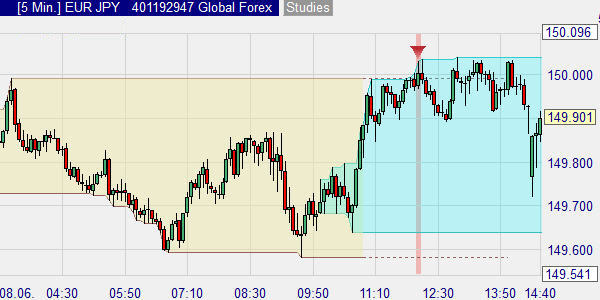
Asian Session Strategy: Focus on range-bound trading, using support and resistance levels established during the previous day. The lower volatility makes this session ideal for scalping strategies.
London Open Strategy: Capitalize on the increased volatility as European traders enter the market. Breakout strategies often work well during the first hour of the London session.
Multi-Session Position Management
For swing traders holding positions across multiple sessions, understanding how each session affects your trades is crucial. Consider:
- Adjusting stop losses before major session opens
- Taking partial profits during high-volatility periods
- Monitoring correlations between sessions
- Using technical indicators to identify session-specific patterns
Tools and Resources for Trading Time Management
Essential Trading Tools
Several tools can help you optimize your trading schedule:
- World Clock Applications: Keep track of multiple time zones simultaneously
- Economic Calendars: Plan trades around major news events
- Session Indicators: Visual representations of market sessions on your charts
- Trading Journals: Track performance by session to identify your most profitable times
Recommended Resources
To further enhance your understanding of forex trading times, consider these resources:
- BabyPips Market Hours Guide – Comprehensive beginner’s guide
- ShopForexEA Education Center – Advanced trading strategies and tools
- Professional trading forums for real-time market insights
- Central bank websites for official announcements and schedules
The Future of Forex Trading Hours
As technology advances and cryptocurrency markets gain prominence, the concept of trading hours continues to evolve. While traditional forex markets maintain their session-based structure, the integration of digital assets and blockchain technology may eventually lead to truly 24/7 trading opportunities.
Emerging Trends
- Extended trading hours through electronic platforms
- Artificial intelligence optimizing trade execution across sessions
- Cross-market integration blurring traditional session boundaries
- Mobile trading enabling constant market access
Conclusion: Mastering Your Trading Schedule
Success in forex trading requires more than just understanding technical analysis or fundamental factors. Knowing when to trade – and perhaps more importantly, when not to trade – is fundamental to long-term profitability. By mastering forex trading times, you position yourself to capitalize on the best opportunities while avoiding the pitfalls of low-liquidity periods.
Remember that the best trading time ultimately depends on your personal schedule, trading style, and currency pairs of choice. Whether you’re a scalper looking for quick profits during the London-New York overlap or a swing trader capitalizing on Asian session ranges, aligning your strategy with appropriate market hours is key to success.
Start by focusing on one or two sessions that fit your schedule, master their characteristics, and gradually expand your trading hours as your experience grows. With patience, discipline, and a solid understanding of forex market hours, you’ll be well-equipped to navigate the 24-hour forex market successfully.