









Blog
Fundamental Analysis Forex: Your Complete Guide to Mastering Market Fundamentals


Have you ever wondered why the EUR/USD suddenly jumped 100 pips after a news announcement? Or why professional traders seem to predict market movements before they happen? The answer lies in fundamental analysis forex – a powerful approach that looks beyond price charts to understand what truly drives currency values.
What Is Fundamental Analysis in Forex Trading?
Fundamental analysis in forex is the study of economic, social, and political forces that affect currency supply and demand. Unlike technical analysis that focuses on price patterns and indicators, fundamental analysis examines the underlying health of economies to predict currency movements.
Think of it this way: If technical analysis is like checking a car’s speedometer and dashboard, fundamental analysis is like looking under the hood to examine the engine’s condition. Both approaches provide valuable insights, but fundamental analysis helps you understand why currencies move, not just how they’re moving.
Key Economic Indicators Every Forex Trader Must Know
Understanding economic indicators is crucial for successful fundamental analysis forex trading. Let’s explore the most important ones:
1. Gross Domestic Product (GDP)
GDP represents the total value of goods and services produced by a country. A growing GDP typically strengthens a currency because it signals a healthy economy. For example, when the US GDP growth exceeds expectations, the USD often appreciates against other currencies.
“GDP is like a country’s report card – it tells you how well the economy is performing overall.” – As explained on Investopedia
2. Interest Rates and Central Bank Decisions
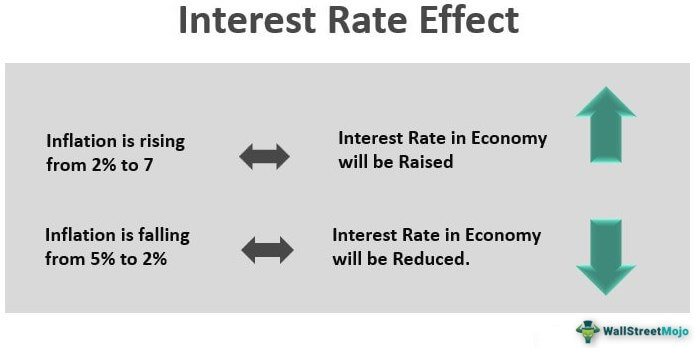
Interest rates are perhaps the most powerful driver of currency values. When a central bank raises interest rates, it typically strengthens the currency because:
- Higher yields attract foreign investment
- It signals economic strength and inflation control
- Investors seek better returns on their capital
3. Inflation Data (CPI and PPI)
The Consumer Price Index (CPI) and Producer Price Index (PPI) measure inflation from different perspectives. Moderate inflation is healthy, but too much can lead to currency depreciation. Central banks closely monitor these indicators when making policy decisions.
| Indicator | What It Measures | Impact on Currency | Typical Release |
|---|---|---|---|
| CPI | Consumer prices | High CPI → Potential rate hike → Currency strength | Monthly |
| PPI | Producer prices | Rising PPI → Future inflation → Mixed impact | Monthly |
| Core Inflation | Inflation excluding volatile items | Central banks’ preferred measure | Monthly |
4. Employment Data
Employment figures, especially the Non-Farm Payrolls (NFP) in the US, can cause significant market volatility. Strong employment data suggests economic growth, while weak numbers may signal trouble ahead.
How to Conduct Fundamental Analysis: A Step-by-Step Approach
Now that you understand the key indicators, let’s walk through a practical approach to fundamental analysis forex:
Step 1: Choose Your Currency Pairs
Start with major pairs like EUR/USD, GBP/USD, or USD/JPY. These pairs have the most liquid markets and extensive economic data available. For beginners, focusing on one or two pairs helps you deeply understand the economies involved.
Step 2: Create an Economic Calendar Routine
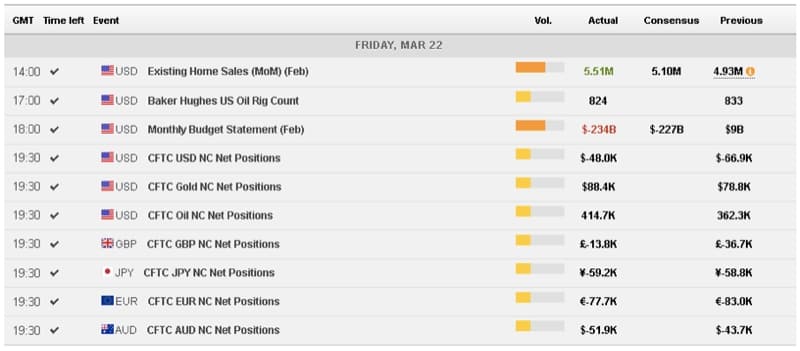
An economic calendar is your roadmap for fundamental analysis. Here’s how to use it effectively:
- Check the calendar every Sunday for the upcoming week
- Mark high-impact events (shown in red on most calendars)
- Research consensus forecasts versus previous results
- Plan your trades around major announcements
Step 3: Analyze Multiple Timeframes
Fundamental analysis works across different timeframes:
- Long-term (months to years): Focus on interest rate cycles, GDP trends, and political stability
- Medium-term (weeks to months): Monitor monthly economic data and central bank communications
- Short-term (days to weeks): Trade around specific news events and data releases
Step 4: Compare Relative Economic Strength
Forex trading involves comparing two economies. Ask yourself:
Which economy is performing better? Which central bank is more likely to raise rates? Where is capital likely to flow?
This comparative analysis helps predict currency pair movements more accurately than analyzing single currencies in isolation.
Advanced Fundamental Analysis Techniques
For experienced traders looking to enhance their fundamental analysis forex skills, consider these advanced techniques:
Central Bank Communication Analysis
Central banks communicate through various channels beyond interest rate decisions:
- Meeting minutes: Reveal detailed discussions and future policy hints
- Press conferences: Watch for tone changes and forward guidance
- Speeches: Individual members often signal policy shifts
Learn to decode “central bank speak” – the careful language used to guide market expectations without causing volatility.
Intermarket Analysis
Currencies don’t exist in isolation. Understanding relationships between different markets enhances your analysis:
| Market | Relationship with Forex | Example |
|---|---|---|
| Commodities | Commodity currencies move with prices | Oil prices ↑ = CAD strength |
| Bonds | Yield differentials drive flows | Higher US yields = USD strength |
| Stocks | Risk sentiment indicator | Stock rally = Risk-on currencies gain |
Sentiment Analysis
Market sentiment often drives short-term movements regardless of fundamentals. Monitor:
- COT (Commitment of Traders) reports for positioning data
- Option market flows and positioning
- News sentiment and social media trends

Common Fundamental Analysis Mistakes to Avoid
Even experienced traders make these mistakes. Here’s how to avoid them:
1. Trading Every News Release
Problem: Information overload and overtrading
Solution: Focus on high-impact events relevant to your currency pairs
2. Ignoring Market Expectations
Problem: Markets often price in expectations before data releases
Solution: Compare actual results to forecasts, not just previous data
3. Fighting Central Banks
Problem: Trading against clear central bank policy
Solution: Align your trades with central bank directions
Remember: “Don’t fight the Fed” applies to all central banks. When they signal policy changes, markets eventually follow.
Combining Fundamental and Technical Analysis
The most successful traders combine both approaches. Here’s a practical framework:
- Use fundamentals for direction: Determine which currencies are strong or weak
- Use technicals for timing: Find optimal entry and exit points
- Confirm with both: The strongest trades align fundamental and technical signals
For example, if fundamental analysis suggests USD strength due to rising interest rates, use technical analysis to find support levels for entering long USD positions.
Building Your Fundamental Analysis Trading Plan
A structured approach to fundamental analysis forex trading requires a solid plan:
Daily Routine (15-30 minutes)
- Review overnight developments
- Check economic calendar for the day
- Read key financial news sources
- Update your fundamental bias for each currency
Weekly Analysis (1-2 hours)
- Review upcoming economic events
- Analyze central bank communications
- Update longer-term fundamental outlook
- Plan potential trades around key events
Monthly Review (2-3 hours)
- Assess major economic trends
- Review trading performance versus fundamental calls
- Adjust strategy based on results
- Study new economic relationships or patterns
Tools and Resources for Fundamental Analysis
Having the right tools makes fundamental analysis more efficient:
Essential Free Resources
- Economic Calendars: Forex Factory, Investing.com, DailyFX
- Central Bank Websites: Direct source for policy statements
- Government Statistics: Official data from statistics agencies
- Financial News: Reuters, Bloomberg, Financial Times
Advanced Tools
- Real-time news feeds: For immediate market reaction
- Economic data terminals: Professional-grade analysis
- Automated EA systems: Check our Forex EA collection for news trading robots
Practical Examples: Fundamental Analysis in Action
Let’s examine a real-world scenario to see how fundamental analysis forex works in practice:
Example: EUR/USD Analysis (Hypothetical Scenario)
Fundamental Picture:
- ECB: Maintaining low rates, concerned about growth
- Fed: Hiking rates to combat inflation
- Economic Data: US GDP growing faster than Eurozone
- Risk Sentiment: Neutral to positive
Analysis: The interest rate differential favors USD. Stronger US growth supports this bias. Unless European data surprisingly improves or Fed policy shifts, EUR/USD should trend lower.
Trading Approach: Look for selling opportunities on rallies, especially around ECB meetings or weak European data releases.
Conclusion: Mastering Fundamental Analysis Takes Time
Fundamental analysis forex trading is a journey, not a destination. Start with the basics – follow major economic indicators and central bank decisions. As you gain experience, add more sophisticated techniques like intermarket analysis and sentiment monitoring.
Remember these key takeaways:
- Focus on high-impact events that move markets
- Understand the relationships between different economic indicators
- Always consider market expectations versus actual results
- Combine fundamental analysis with technical analysis for best results
- Develop a consistent routine for monitoring fundamentals
The forex market offers endless opportunities for those who understand what drives currency values. By mastering fundamental analysis, you’ll develop the insight to anticipate major market moves and trade with greater confidence.
“In forex trading, understanding the ‘why’ behind price movements through fundamental analysis gives you an edge that pure technical traders miss. Master both, and you master the markets.” – Professional Trading Wisdom