









Blog
Is Forex Trading Legal in the US? What Beginners Must Know in 2025

Forex trading is legal in the United States, but it’s governed by some of the world’s strictest regulatory standards. If you’re new to trading, it’s essential to understand the rules set by the CFTC (Commodity Futures Trading Commission) and the NFA (National Futures Association) before you place your first trade. This article breaks down everything you need to know about trading forex legally and safely in the US in 2025.
Understanding Forex Trading in the US
What is Forex Trading?
Forex, or foreign exchange, is the global market for buying and selling currencies. It’s decentralized and operates 24 hours a day. Traders speculate on the relative value of currency pairs such as EUR/USD or USD/JPY. Unlike stock trading, forex offers higher leverage and operates across international borders.
How the US Differs From Other Markets
In many countries, forex brokers are lightly regulated—or not at all. But in the US, brokers must meet rigorous legal and financial standards set by government authorities. This makes the American forex market more restrictive but also safer for retail traders.
The Legal Status of Forex Trading in the United States
Yes, Forex Trading Is Legal — With Conditions
The short answer: Yes, forex trading is legal in the US. But you can only do so through brokers registered with the CFTC and NFA. That’s because these agencies are responsible for ensuring market integrity, transparency, and trader protection.
“To trade forex legally in the US, traders must use brokers that are registered with the NFA and CFTC.” — National Futures Association
Regulatory Authorities: CFTC and NFA
Role of the CFTC in Regulating Brokers
The CFTC ensures that brokers hold a minimum of $20 million in operating capital, segregate client funds, and report activity transparently. This helps prevent broker bankruptcies from affecting customer deposits.
NFA Membership Requirements
Meanwhile, the NFA enforces compliance among its members. This includes requiring all brokers to:
- Disclose risks clearly
- Report daily trading activity
- Comply with trading limits and restrictions
- Prohibit misleading marketing tactics
To check if a broker is regulated, you can use the NFA BASIC search tool.
Key US Forex Regulations Every Trader Must Know
Capital Requirements for Brokers
One of the most important rules is that US-regulated brokers must hold at least $20 million in capital. This ensures they’re financially sound and capable of handling client withdrawals and high trade volumes—even during volatile markets.
Leverage Limits: 50:1 and 20:1
The US restricts leverage to protect traders from excessive losses:
- 50:1 leverage on major currency pairs (e.g., EUR/USD, USD/JPY)
- 20:1 leverage on minor or exotic pairs (e.g., USD/TRY, EUR/ZAR)
This is significantly lower than what’s available in Europe or Asia, where leverage of up to 500:1 is common. But lower leverage helps prevent rapid account wipeouts.
FIFO Rule and No Hedging
US brokers must enforce the FIFO rule (First-In-First-Out). That means if you place multiple trades on the same currency pair, your oldest positions must be closed first. Additionally, **hedging is banned**—you cannot hold long and short positions on the same currency pair simultaneously.
Tax Obligations on Forex Profits
Forex profits in the US are taxed under Section 1256 of the IRS code:
- 60% of profits are treated as long-term capital gains (15%)
- 40% are treated as ordinary income (based on your tax bracket)
This split tax treatment is generally more favorable than standard short-term capital gains. For personalized advice, consult a tax advisor or the IRS official website.
Why Many Brokers Avoid the US Market
High Regulatory Cost and Strict Rules
While US traders benefit from strong protections, the downside is that many global brokers avoid the US market due to high compliance costs and regulatory red tape. This has significantly reduced the number of available brokers for American traders.
Limited Broker Options for US Traders
Popular international brokers like XM, Exness, and Pepperstone are not available to US residents. Instead, Americans are limited to a handful of CFTC/NFA-compliant platforms, such as:
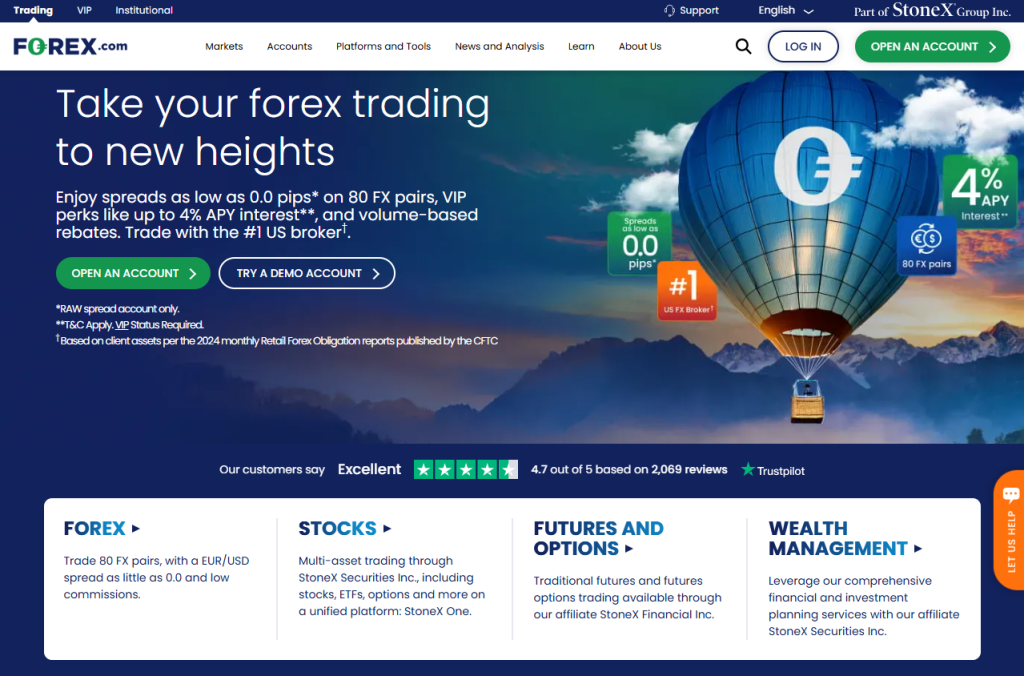
- Forex.com – One of the most trusted US brokers, offering MetaTrader access
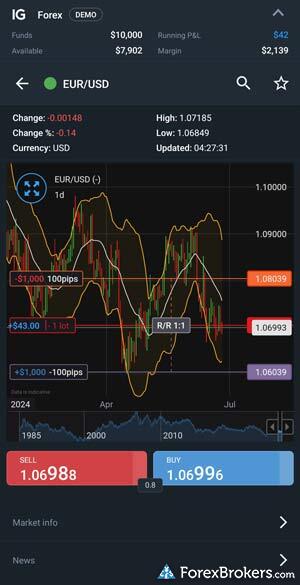
- IG US – Known for strong educational tools and trading platform
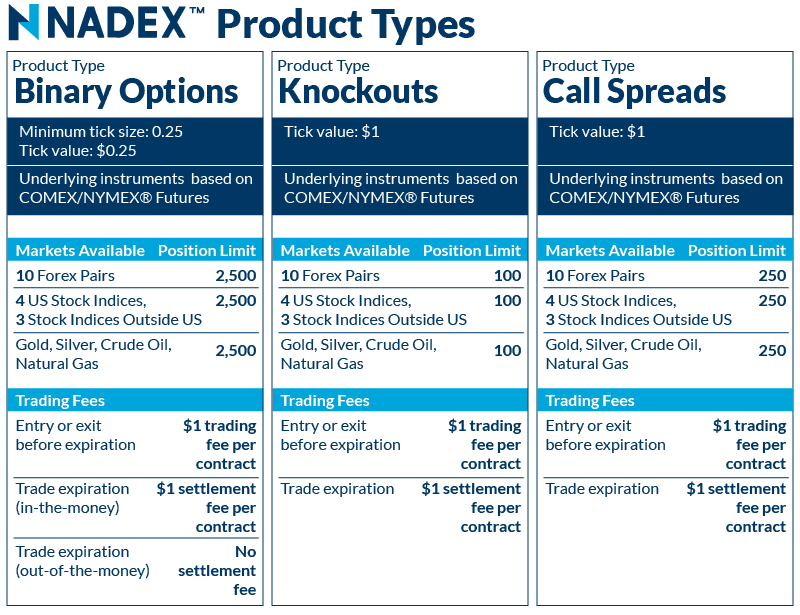
- Nadex – Specializes in binary options and derivatives
Choosing a Legal Forex Broker in the US
How to Verify CFTC and NFA Registration
Before depositing funds or opening a live account, make sure the broker is registered with both the CFTC and the NFA. You can confirm this by using the NFA BASIC tool. Simply enter the broker’s name or NFA ID number to view their compliance status and disciplinary history.
List of Compliant Brokers in 2025
Here are some of the most reliable and fully compliant forex brokers operating in the US:
- Forex.com – Offers MetaTrader 4, TradingView integration, and competitive spreads.
- IG US – Renowned for strong regulatory reputation and educational content.
- Nadex – Offers derivatives and binary options on a transparent exchange.
Visual Reference: Example Broker Platforms
See how these platforms look on mobile or desktop:
Best Practices for Safe Forex Trading in the US
Use Demo Accounts to Learn Without Risk
All regulated brokers in the US offer free demo accounts. These are excellent for beginners to test trading strategies without risking real money.
Avoid Unregulated Brokers or Offshore Offers
You might see promotions from offshore brokers offering high leverage, bonuses, or “no restrictions” trading. These are red flags. Trading with an unregulated broker may lead to:
- Frozen funds or denied withdrawals
- Lack of legal recourse
- Scams or price manipulation
Stick with CFTC-registered and NFA-member brokers to avoid unnecessary risk.
Start With Regulated Apps Like TastyFX and GoForex
If you prefer trading on the go, consider using apps that are safe, regulated, and beginner-friendly:
- TastyFX – Known for user-friendly QuickTrade view and real-time insights
- GoForex – Offers a gamified approach to forex education
- Forex Game – Simulated risk-free trading for new traders
These apps are not only educational but also help you gain confidence before transitioning to real-money accounts.
Final Thoughts: Is It Worth Trading Forex in the US?
Despite its strict rules, forex trading in the US remains a viable and legal way to invest—as long as you stay compliant. While you may face lower leverage and fewer broker choices, these regulations are designed to protect you from fraud, manipulation, and unsustainable risk.
For many traders—especially beginners—this strict environment can serve as a safe learning ground. If you commit to using regulated brokers, practice with demo accounts, and avoid risky strategies, you’ll be setting yourself up for long-term success.
FAQs
Is forex trading taxed in the US?
Yes. Forex traders fall under IRS Section 1256, where 60% of gains are taxed as capital gains and 40% as ordinary income. This usually results in a lower tax rate than short-term trading.
Can US residents use MetaTrader 4 or 5?
Yes, but only with brokers that are legally allowed to operate in the US. Examples include Forex.com and IG US.
Is hedging allowed in US forex accounts?
No. US regulations prohibit hedging—you can’t open long and short positions on the same currency pair at the same time. Additionally, the FIFO rule requires that your oldest trade be closed first.
What happens if I use an unregulated broker?
You expose yourself to major financial risks including losing your deposit, lack of customer support, and no legal protection. Avoid any broker not listed with the NFA BASIC system.