









Blog
Is Forex Trading Gambling? Understand the Key Differences

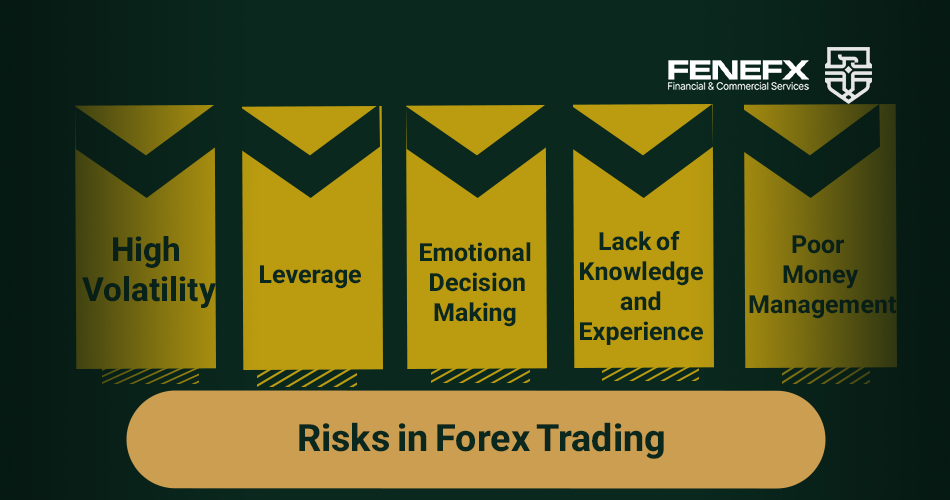

If you’ve ever asked yourself, “Is forex trading gambling?” — you’re not alone. It’s one of the most common questions that beginners ask, especially when faced with losses or wild market fluctuations. At SHOPFOREXEA.COM, we believe the answer depends entirely on your approach, your tools, and your mindset.
In this article, we’ll explore the thin line between trading and gambling, and help you understand how to keep your trading behavior strategic, disciplined, and ultimately profitable.
Introduction: Why This Question Matters
With over $6 trillion traded daily, the forex market attracts everyone — from disciplined professionals to reckless risk-takers. And while both gambling and forex involve money and risk, the comparison ends when you introduce things like analysis, strategy, and proper tools.
“Trading without a plan is just like gambling — but with more expensive consequences.”
Whether you’re new to trading or refining your edge, it’s crucial to distinguish between luck and calculated decision-making. Let’s dive deeper.
Forex Trading at a Glance
Forex trading involves buying and selling currency pairs, typically using platforms like MetaTrader 4 (MT4) or MetaTrader 5 (MT5). Traders analyze market trends, apply strategies, and use tools like indicators or expert advisors to make informed decisions.
- Market analysis: technical, fundamental, or sentiment-based
- Position sizing and risk management
- Automated trading tools such as forex robots
- Emotional discipline and psychology
In short, trading is a business — one where consistent skills and strategic execution make all the difference.
Gambling: What It Really Means
By definition, gambling is wagering money on an event with an uncertain outcome, where chance plays a significant role. Think casinos, lottery tickets, and sports betting — where the odds are usually stacked against you.
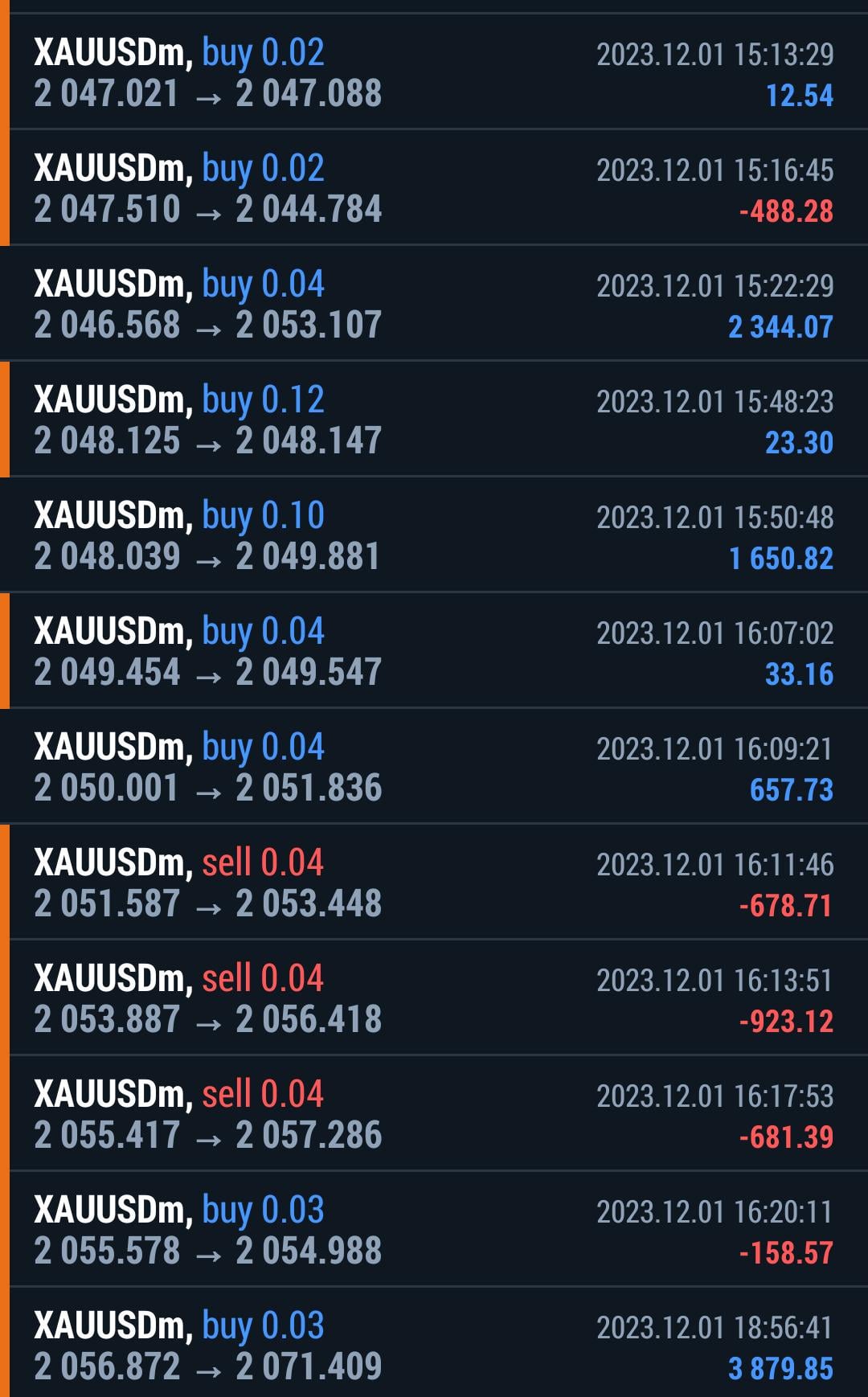
There’s no risk management, no stop loss, and often, no second chances. Once the bet is placed, the outcome is out of your hands.
Comparing Forex Trading and Gambling
1. The Role of Skill and Strategy
One of the biggest differences between trading and gambling is how much control you have over the outcome. In forex, you can tilt the odds in your favor by using strategy, research, and data.
Skillsets Needed in Forex
- Understanding market structures
- Applying strategies like trend-following, breakout, or mean reversion
- Using technical tools such as the best forex indicators
- Backtesting with demo accounts or simulators
Why Gambling Relies on Chance
In contrast, gambling is mostly a game of probability. You might win occasionally, but the house always wins in the long run. There’s no learning curve. No feedback loop. No control over variables.
Conclusion: Trading rewards knowledge, while gambling rewards luck — briefly.
2. Risk Management Practices
Ask any seasoned trader and they’ll tell you — risk management is everything. If you risk too much, you lose everything. If you risk wisely, you stay in the game long enough to win.
Tools and Techniques in Forex Risk Control
- Stop-loss and take-profit orders
- Risk-reward ratios (e.g., 1:2)
- Using MT4 Risk Manager EAs
- Position sizing calculators
Gambling: All or Nothing?
In gambling, risk is often all-in — the thrill is in the uncertainty. No hedging, no diversification, just a spin or a draw.
This approach leads to inevitable losses. And in forex, if you trade this way, you’re gambling, not trading.
3. Psychological Differences
The mental game is often the final separator between successful traders and consistent losers. Both gambling and trading involve emotional highs and lows — but traders are trained to manage them.
The Mindset of a Trader
- Patience to wait for setups
- Discipline to stick to the plan
- Detachment from the outcome
- Reflection and journaling for improvement
Check out our article: Mastering Forex Trading Psychology
The Thrill-Seeking Nature of Gamblers
Gamblers often chase losses and bet emotionally. They thrive on instant gratification and frequently ignore logic.
In forex, this leads to overleveraging, revenge trading, and ultimately — account wipeouts.
➡️ Next up: When Does Forex Trading Become Gambling? Don’t miss the signs — and how to fix them.
? For more tools to help you trade like a pro (not a gambler), visit our Forex Trading Tools Collection.
When Does Forex Trading Become Gambling?
Even though forex trading is not inherently gambling, it can quickly turn into it when discipline and strategy are thrown out the window. Recognizing the warning signs is critical if you want to grow, not blow, your account.
Signs You’re Trading Like a Gambler
- Entering trades based on “gut feelings” instead of analysis
- Using excessive leverage hoping for a big win
- Overtrading to chase losses
- Trading without a plan, stop loss, or exit strategy
- Ignoring economic news or data releases
How to Shift from Gambling to Strategic Trading
Thankfully, breaking the gambler’s cycle is very doable. Here’s how you can realign your habits with a winning trader’s mindset:
- Set clear entry and exit rules based on your trading strategy
- Use a journal to review every trade (wins and losses)
- Practice patience: quality over quantity
- Limit risk per trade to 1–2% of your capital
- Use automation tools like Forex EAs to reduce emotional decision-making
And don’t forget to practice on a risk-free demo account. We recommend starting with an demo account or similar to test your strategy without financial risk.
Institutional Trading vs. Gambling
Institutions like banks and hedge funds don’t gamble — they allocate capital with strict models, tools, and risk parameters. That’s a huge clue to what you should be doing as well.
Why Big Institutions Trade Forex (Not Gamble)
Institutions approach forex with:
- Professional traders trained in technical and fundamental analysis
- Algorithmic trading systems and quantitative models
- Risk committees to limit drawdowns
- High-frequency data and real-time analytics
Learn more about how institutional forex works on Beginner forex guide.
What Retail Traders Can Learn from Them
You may not have a Bloomberg Terminal, but you do have access to tools like:
- News-based indicators to stay ahead of key events
- Expert Advisors that trade based on proven logic
- Strategy testers for backtesting historical data
- Copy trading EAs to mirror high-performing traders
Case Study: Trader vs. Gambler Behavior
Scenario 1: The Strategic Trader
Julie reviews her charts every morning, waits for confirmation signals, sets stop-loss and take-profit orders, and risks only 1% per trade. She reviews her results weekly and continuously optimizes her strategy.
Scenario 2: The Gambling Trader
Mike jumps into a trade because “EUR/USD feels like it’s going up today.” He has no stop loss and doubles his position after every loss. When he wins, he feels invincible. When he loses, he blames the broker.
Result: Julie builds her account slowly but surely. Mike blows his account in 3 months.
FAQs
Is Day Trading Considered Gambling?
Not if done with a plan, analysis, and risk controls. Day trading becomes gambling only when it’s impulsive and emotion-driven.
Can You Make a Living from Forex Trading?
Yes, but it requires years of learning, discipline, and often a reliable trading system. Many traders use automated EAs to help scale consistent strategies.
What Makes Forex a Legitimate Investment Tool?
Forex is regulated, liquid, and essential to the global economy. It’s used by central banks, governments, and businesses for hedging and trade. Learn more on Wikipedia: Foreign Exchange Market.
Conclusion: The Final Verdict
So, is forex trading gambling? The answer depends entirely on you. With the right tools, mindset, and discipline, forex trading is a legitimate, strategic pursuit that can build long-term wealth.
But trade recklessly — and you might as well be playing roulette.
Key Takeaways
- Forex trading is skill-based, not luck-based — if done properly
- Gambling traits show up when trades are based on emotion, not analysis
- Institutions treat trading as a business — so should you
- Use tools like indicators, EAs, and risk managers to stay sharp
?️ Ready to trade with confidence? Browse our top-selling tools at SHOPFOREXEA.COM — high quality, instant delivery, affordable prices.
? New to trading? Start with our beginner guide: Forex Trading for Beginners.