









Blog
PAMM Accounts in Forex: What They Are, How They Work, Pros, Cons, and Getting Started

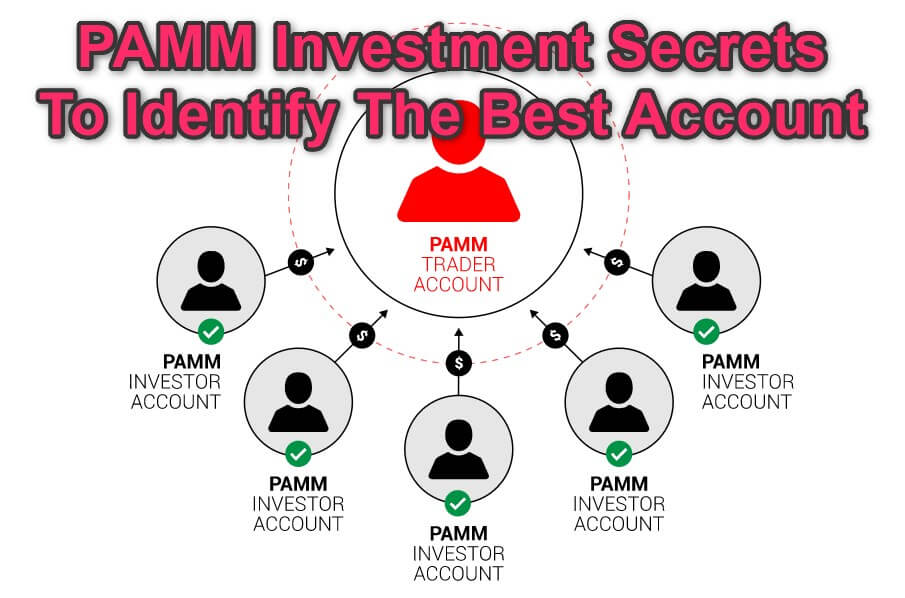
PAMM accounts, or Percentage Allocation Management Module accounts, let Forex investors pool their money with others under a professional trader’s control, who executes trades across multiple accounts proportionally. These setups simplify participation in Forex markets for those without trading skills. A money manager opens a master account, investors add sub-accounts, and trades copy automatically based on each person’s stake. Profits and losses divide according to contributions, often with fees for the manager. This structure handles the fast-paced nature of currency pairs like EUR/USD or GBP/JPY.
PAMM accounts offer clear advantages like professional oversight and diversification for passive investors. You gain exposure to skilled traders’ strategies without monitoring charts daily. Minimum deposits start low, around $100 at some brokers, making entry easy.
PAMM accounts carry risks such as reliance on the manager’s performance and potential for significant losses from market swings. Poor choices can lead to drawdowns wiping out gains, plus fees reduce net returns.
Many wonder about safety and steps to begin. Brokers segregate funds, but trader skill matters most. The sections below break down details on structure, operations, benefits, pitfalls, broker selection, and setup process.
What Are PAMM Accounts?
PAMM accounts are a Forex-specific multi-account system where investor funds pool into a master account managed by professional traders for proportional trade allocation. Specifically, this setup roots in pooled funds and automated copying.
PAMM stands for Percentage Allocation Management Module. It originated as a broker tool to let skilled traders manage client money efficiently. Key features include a central master account for the trader and linked investor sub-accounts. Trades execute once in the master, then scale to subs by percentage of investment.
You’ll notice PAMM focuses on Forex pairs due to high liquidity and 24/5 trading. Investors avoid direct platform access, reducing errors.
How Does a PAMM Account Structure Work?
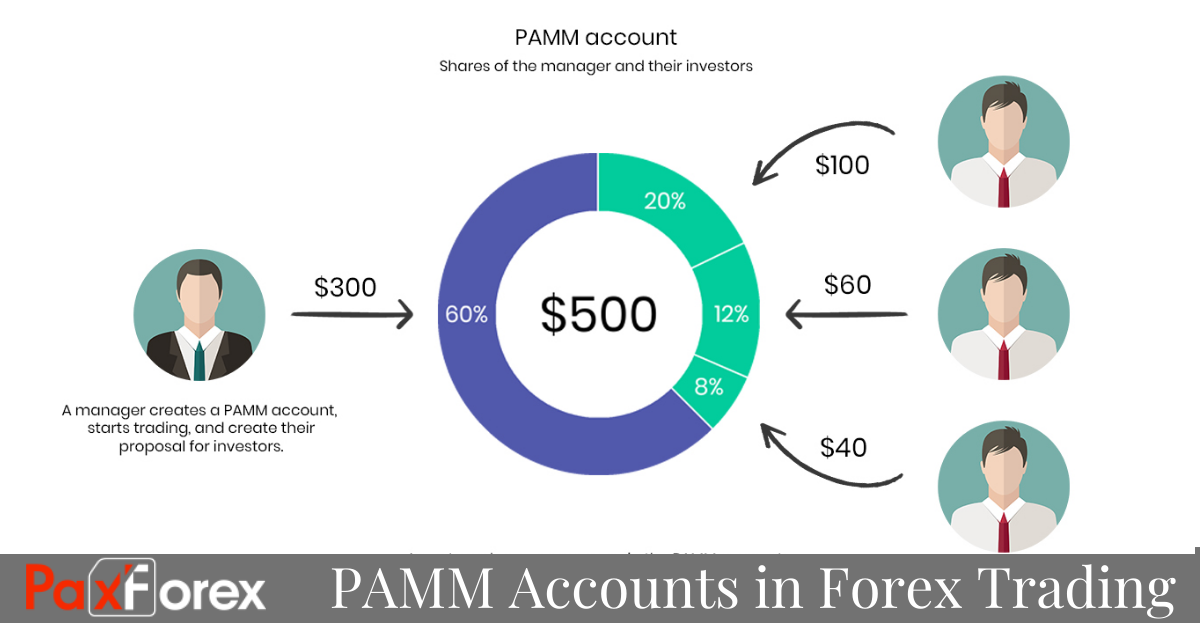
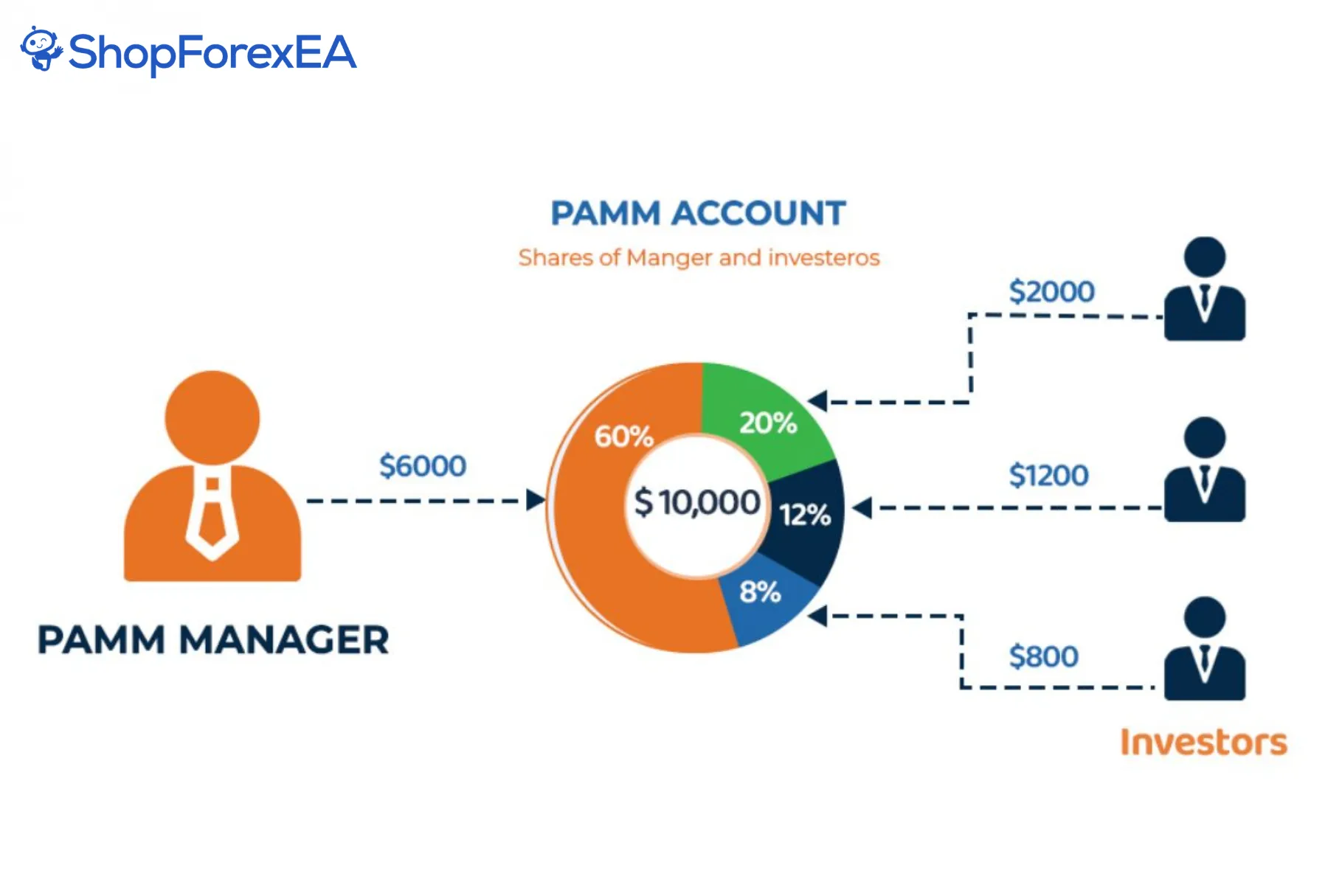
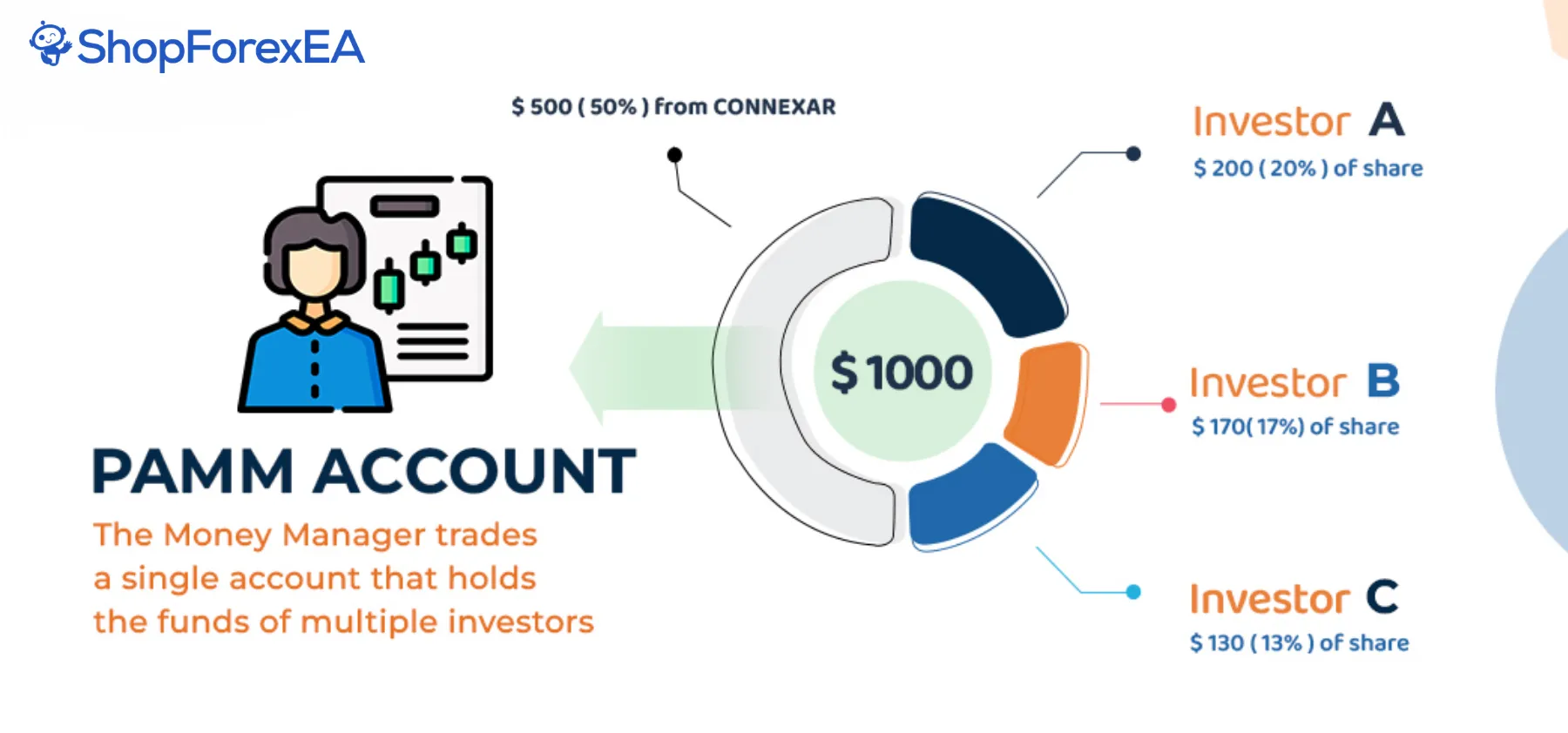
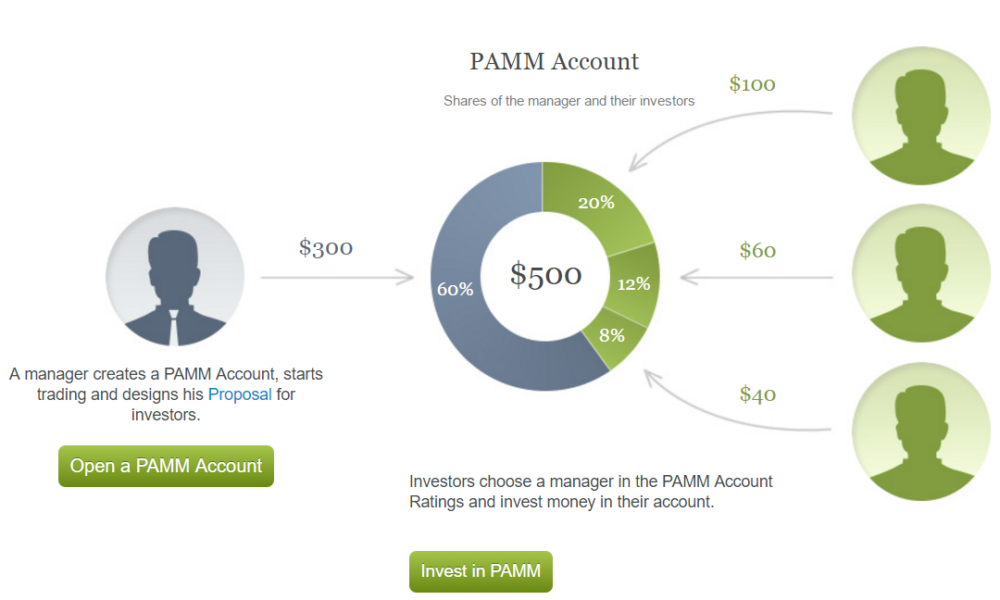
A PAMM account structures around one master account controlled by the trader and multiple investor sub-accounts, with trades allocated proportionally to each investor’s deposit. For example, if the master has $100,000 and an investor puts in $10,000, that sub-account gets 10% of every trade size.
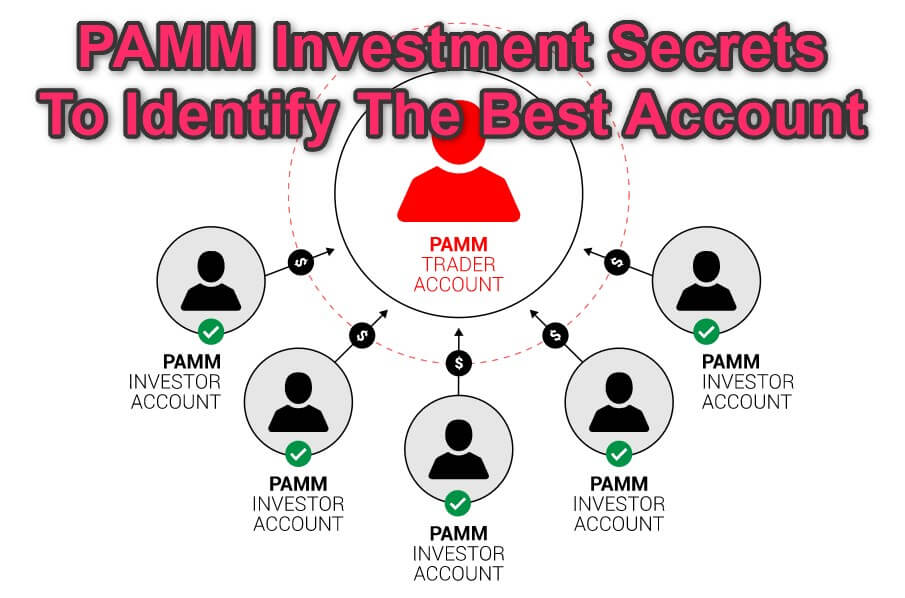
The master account holds the trader’s own funds plus aggregated investor money. When the trader buys 1 lot of EUR/USD, the system scales it: a 10% investor sees 0.1 lots. This keeps risk balanced.
Brokers like Alpari or FXTM host these via proprietary platforms. Proportional allocation happens in real-time, ensuring fairness. If total pool reaches $500,000, a $5,000 investor trades at 1% scale.
Drawbacks include shared exposure; one bad trade hits everyone scaled. But transparency comes from reports showing equity curves.
Who Can Participate in PAMM Accounts?
Three main roles participate in PAMM accounts: money managers who trade, investors who fund, and brokers who facilitate the system. Money managers need proven Forex records, often verified on Myfxbook.
Investors range from beginners to high-net-worth, depositing minimums like $100. They select managers via leaderboards ranking by profit factor or Sharpe ratio.
Brokers provide the tech backbone, like MetaTrader plugins for PAMM. Regulated ones, such as those under FCA, ensure fund safety.
Participation starts with broker signup. Managers apply with trading history; investors browse and allocate. This setup opens Forex to passive players.
PAMM thrives in volatile markets. Managers handle leverage up to 1:500, investors monitor via dashboards. Over 10 years, platforms report millions in managed assets.
How Do PAMM Accounts Work in Forex Trading?
PAMM accounts work through a step-by-step process of investor fund pooling, master account trade execution, and proportional profit/loss distribution across sub-accounts. Here’s the breakdown of this performance-based system with real-time copying.
Investors deposit into sub-accounts linked to a manager’s master. The broker aggregates funds virtually. Trader opens positions in Forex pairs; software copies trades instantly by percentage.
For instance, a $200,000 pool with a trader risking 2% per trade on USD/JPY. A $20,000 investor sees identical 2% risk scaled down.
Equity updates live, showing net asset value (NAV). Withdrawals pause during trades to avoid distortions.
What Is the Role of the Money Manager in PAMM?
The money manager in PAMM controls the master account, executes all Forex trades, manages equity to stay within drawdown limits, and aims for steady returns. Specifically, they select strategies like scalping or trend-following on pairs such as GBP/USD.
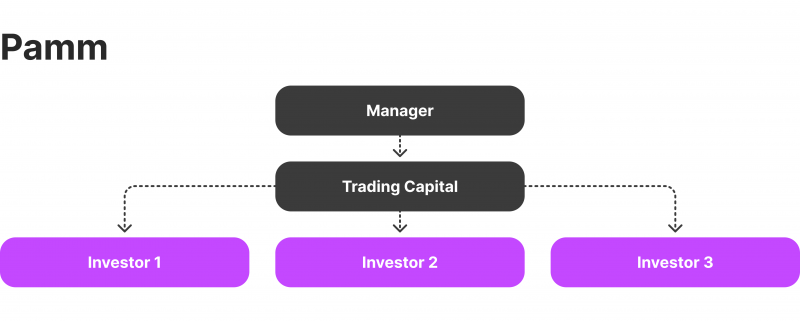
Managers stake personal funds for alignment, often 10-20% of pool. They monitor volatility, set stop-losses, and adjust lot sizes.
Broker platforms track every action. Good managers cap monthly drawdown at 20%, using tools like trailing stops.
Performance drives inflows; top ones grow pools to millions. Responsibilities include daily reporting and risk rules, like no martingale.
Investors track via apps showing live P&L.
How Are Profits and Losses Shared in PAMM Accounts?
Profits and losses in PAMM share proportionally based on investment size, with managers earning performance fees after hitting high-water marks. For example, a 20% gain splits 80% to investors, 20% fee to manager, only on new highs.
High-water mark means fees apply post-recovery from losses. If pool drops 10% then rises 15%, fee on the 15% gain only.
Fees average 20-50% of profits, no charge on losses. Some offer fixed monthly plus performance.
Distribution happens daily or weekly via broker. Transparency via statements.
This incentivizes consistency; managers avoid big risks.
What Are the Advantages of PAMM Accounts?
PAMM accounts advantage passive Forex investors with professional management, fund diversification across strategies, and easy market access. Let’s explore these benefits in detail.
No need for personal trading skills. Managers handle analysis, execution on MT4/MT5.
Diversification spreads risk over multiple PAMMs or managers.
Low time commitment suits busy people.
Can PAMM Accounts Provide Passive Income in Forex?
PAMM accounts provide passive income through compounded returns from manager trades, requiring minimal oversight. Compounding grows stakes over time; a 15% annual return on $10,000 yields $1,500 year one, more later.
Reinvest profits automatically. Low effort: check monthly statements.
Historical data from brokers shows average 10-30% yearly for top PAMMs, though variable.
Rhetorical question: Why trade yourself when pros average better risk-adjusted returns?
Platforms like InstaForex report steady payouts.
What Makes PAMM Accounts Beginner-Friendly?
PAMM accounts suit beginners with no trading knowledge required, low minimum deposits, and simple investor dashboards. Start with $100 at brokers like RoboForex.
Dashboards show manager stats, no charts needed. Select by past ROI over 6 months.
Education resources explain metrics. Copy trades run 24/5 automatically.
Beginners avoid emotional errors like overtrading.
What Are the Risks and Disadvantages of PAMM Accounts?
PAMM accounts risk manager dependency, amplified market volatility losses, and layered fees eating returns. To understand this better, consider the downsides fully.
Single manager failure impacts all. Forex leverage magnifies swings; a 5% GBP drop halves some pools.
Fees compound: spreads, commissions, performance cuts.
Liquidity issues during news events.
Are PAMM Accounts Safe for Forex Investors?
PAMM accounts offer partial safety through segregated client funds at regulated brokers, but expose investors to trader errors and scams. Segregation means broker bankruptcy spares your money.

Choose FCA or CySEC oversight. Verify managers via third-party audits.
Scams mimic real platforms; check reviews on ForexPeaceArmy.
Poor performance common; 70% managers underperform benchmarks per broker stats.
What Happens If a PAMM Money Manager Loses Money?
If a PAMM money manager loses money, investors suffer proportional losses in their sub-accounts, often with withdrawal locks during drawdowns. Losses scale exactly; 20% pool drop means 20% investor hit.
Managers may pause payouts to recover. Some brokers allow early exits with penalties.
High drawdowns trigger investor flight. Recovery possible, but time-consuming.
Protect with small allocations, diversified PAMMs.
How Do You Choose a Reliable PAMM Broker?
Choose a reliable PAMM broker by checking regulation, long track records, and features like verified performance tracking in five key steps. In detail, prioritize these criteria.
Research FCA, ASIC licensed brokers like IC Markets or Pepperstone.
Review 5+ years history, client funds volume.
Test platforms for PAMM tools.
What Should You Look for in PAMM Account Performance?
Look for PAMM performance with high ROI over 12 months, low maximum drawdown under 20%, full trade history, and Myfxbook verification. ROI above 20% yearly beats buy-hold.

Drawdown shows risk; under 15% ideal.
Trade history reveals win rate over 60%, average hold time.
Myfxbook links confirm real trades.
Compare 10+ managers.
Which Regulations Protect PAMM Investors?
Regulations like CySEC and FCA protect PAMM investors through fund segregation, leverage caps, and mandatory disclosures. CySEC requires client money isolation.
FCA enforces transparency, compensation up to £85,000 via FSCS.
Both audit brokers yearly. Avoid offshore without oversight.
Check broker licenses on regulator sites.
How Do You Get Started with a PAMM Account?
Get started with a PAMM account in six steps: select broker, register, verify, choose manager, deposit, and monitor. Account opening to allocation takes days.
Follow this for smooth entry.
1. Pick regulated broker like Alpari.
2. Open investor account online.
3. Upload ID for KYC.
4. Browse manager rankings.
5. Allocate funds to sub-account.
6. Track via app, set auto-reinvest.
Minimums low, withdrawals weekly.
Advanced Questions and Comparisons for PAMM Accounts
PAMM accounts stand out for their pooled fund management by expert traders, contrasting with MAM and copy trading through shared risks and professional oversight, while fees and regulations add layers of consideration.
Furthermore, these aspects address common investor concerns beyond basics.
What Is the Difference Between PAMM and MAM Accounts?
PAMM, or Percentage Allocation Management Module, pools investor funds into a single account managed by a professional trader, who executes trades proportionally across all participants based on their investment size. Every investor shares the same trades and performance equally, adjusted only by stake proportion. MAM, or Multi-Account Manager, allows the manager to allocate trades individually across separate investor accounts, offering more customization like different lot sizes or risk levels per client.
This pooled versus individual approach shapes control and transparency. In PAMM, you lack direct account access; the manager handles everything, simplifying entry for novices but limiting personalization. MAM provides brokers or managers with tools to tailor executions, suiting advanced users who want specific risk adjustments. For example, brokers like Alpari offer PAMM for simplicity, while HotForex supports MAM for precision.
You’ll notice PAMM suits passive investors, as trades mirror the master account exactly. MAM appeals to those needing tweaks, like scaling positions.
How does this affect performance tracking? PAMM shows uniform results in rankings, making comparisons easy.
- PAMM emphasizes collective performance, reducing administrative overhead for managers.
- MAM enables segregated risk, where one client’s loss does not directly impact others.
- Brokers often charge similar fees, but MAM may include extra customization costs.
How Do PAMM Accounts Compare to Copy Trading?
PAMM involves delegating funds to a skilled manager who trades a pooled account, with profits and losses distributed proportionally. Copy trading, available on platforms like eToro or ZuluTrade, lets you automatically replicate trades from selected providers in your own account, without pooling funds. PAMM offers professional management with shared exposure, while copy trading provides automated following with personal control over positions.
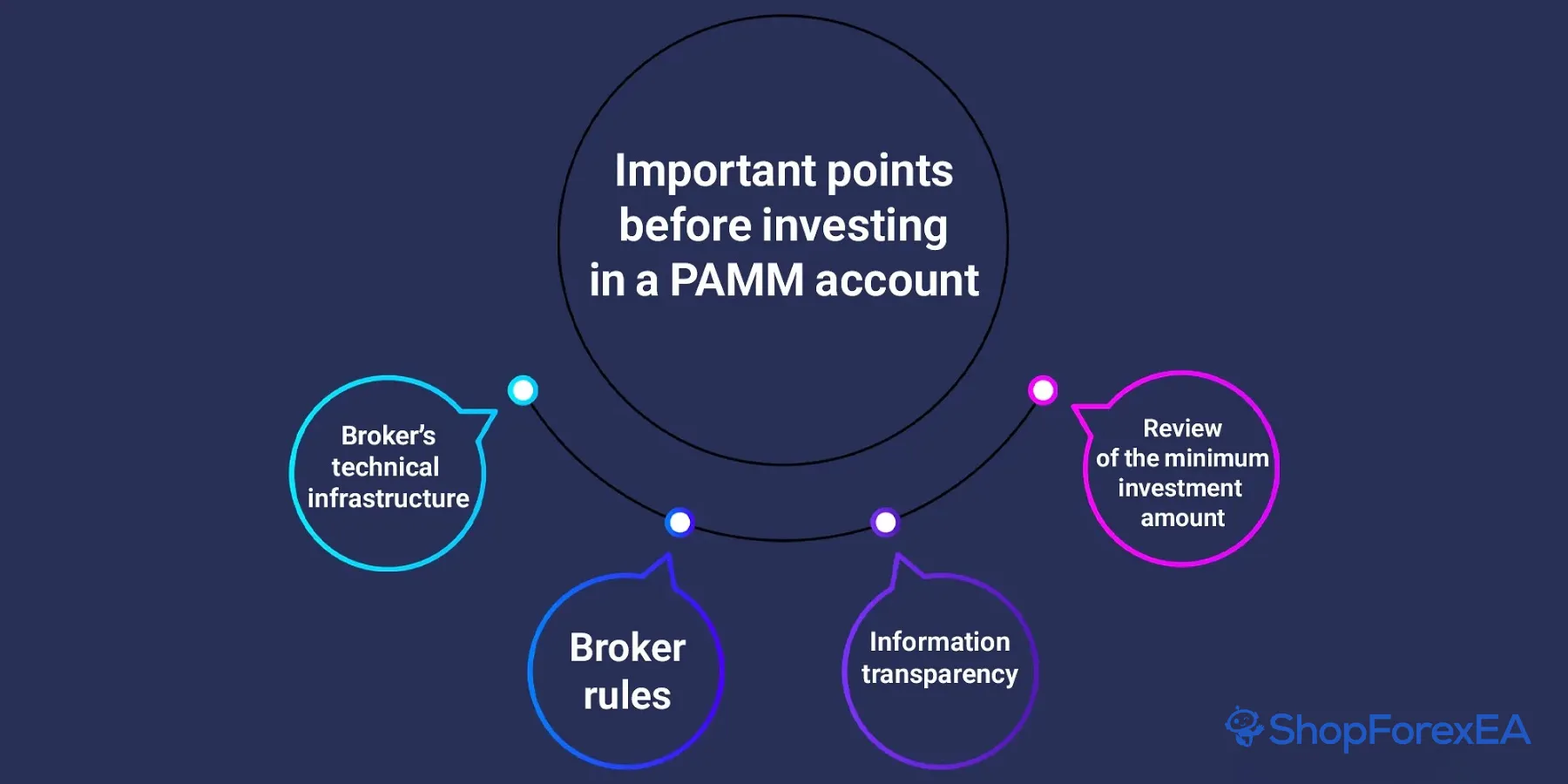
The key contrast lies in autonomy and risk isolation. In PAMM, your money merges with others, so manager decisions bind everyone. Copy trading keeps funds separate, allowing you to pause, adjust lot sizes, or stop copying anytime. PAMM relies on the manager’s expertise alone; copy trading lets you diversify across multiple traders.
Brokers like InstaForex promote PAMM for hands-off investing, whereas MetaTrader-integrated copy systems favor active oversight. Performance in PAMM hinges on one manager, risking total wipeout, but copy trading spreads risk.
What if a trader underperforms? PAMM locks you until withdrawal windows, but copy trading stops instantly.
- PAMM builds trust through audited rankings; copy trading uses social proof and ratings.
- Copy trading often has lower entry barriers, starting at $100 versus PAMM’s higher minimums.
- Both charge performance fees, yet copy trading adds subscription costs sometimes.
What Are Typical Performance Fees in PAMM Accounts?
Performance fees in PAMM accounts usually range from 20% to 50% of profits, charged only when the manager generates positive returns, often with a high-water mark to ensure fees apply after surpassing previous peaks. Brokers like Alpari set base rates around 20-30%, while top managers negotiate up to 50% based on track records.
This profit-only structure aligns manager incentives with investors, as losses cost them reputation without fees. Calculation happens monthly or quarterly: if the account grows 10% and prior high was 5%, fee applies to the 5% gain. Some include hurdles, like 10% minimum profit before charging.
Compared to mutual funds’ 1-2% management fees, PAMM’s model rewards success directly. Transparency varies; reputable brokers display fee breakdowns in rankings.
Why do fees differ? Experience and performance dictate rates, with stars commanding premiums.
- Average across brokers: 25-35% for mid-tier managers.
- No fees on losses, protecting principal during drawdowns.
- Investors can compare via platforms like FXBlue for net returns after fees.
Are There Minimum Investment Requirements for PAMM Accounts?
Yes, PAMM accounts typically require minimum investments from $100 to $10,000, varying by broker and manager to balance accessibility and risk management. Entry-level brokers like FBS start at $100, while premium ones like RoboForex demand $1,000-$5,000 for stability.
Lower thresholds open doors for beginners, but higher ones filter serious investors, reducing manager workload. Managers set personal minimums too; novices might accept $500, veterans $10,000 for larger allocations.
This range contrasts with individual trading’s flexibility. Check broker terms, as some scale fees by deposit size.
How does this impact diversification? Smaller minimums allow spreading across multiple PAMMs.
- Budget brokers (e.g., InstaForex): $100-$500.
- Regulated firms (e.g., FXTM): $1,000+ for better oversight.
- No universal rule; always verify manager profiles.
What Are the Tax Implications of PAMM Profits in Forex?
PAMM profits generally qualify as capital gains taxed by jurisdiction, with rates from 0% to 45% depending on residency and holding period. In the US, IRS treats them as short-term gains at income tax rates up to 37%; EU countries like Cyprus offer 0% for non-doms, while UK charges 10-20%.
Brokers issue statements for reporting, but you handle filings. Offshore PAMMs complicate matters, potentially triggering CFC rules. Losses offset gains within forex categories.
Residents should consult local laws; for instance, Australia’s 50% CGT discount applies over 12 months.
- US: Schedule D reporting, FIFO method standard.
- EU variations: Germany 25% flat, France progressive up to 30%.
- Track via broker MT4 exports for accuracy.
Can You Withdraw Funds Anytime from a PAMM Account?
Withdrawals from PAMM accounts often face lock-in periods of 1-3 months and manager approval, preventing anytime access to maintain trading stability. Brokers like Alpari allow requests but process after period ends, typically end-of-month.
This protects the pool from disruptions; early exits could skew allocations. Some offer partial withdrawals above minimums.
Unlike personal accounts, PAMM prioritizes collective performance. Check terms for notice periods.
- Standard lock: 30-90 days post-deposit.
- Manager veto possible for risk reasons.
- Instant options rare, mostly premium brokers.
What Are Real-World Examples of Successful PAMM Managers?
Successful PAMM managers like HedgeHogs on Alpari (over 500% returns since 2015) showcase consistent gains through trend-following, while Unicorn on FXOpen delivered 300% in 2022 via scalping. Failures, such as a 2020 wipeout by a leveraged manager on InstaForex, highlight drawdown risks.
HedgeHogs averaged 40% yearly with 15% max drawdown, attracting $10M+ AUM. Unicorn focused on majors, using tight stops.
These cases stress verified track records over promises.
- Top Alpari: “Stable” managers with 200%+ multi-year gains.
- Failures teach: Avoid high-DD (>30%) profiles.
- Platforms rank by Sharpe ratio for quality.