









Blog
Regulated Forex Brokers List 2024: Top Licensed Brokers by FCA, ASIC, and CFTC

In 2024, the top regulated Forex brokers licensed by FCA, ASIC, and CFTC include IG, Pepperstone, Interactive Brokers, CMC Markets, IC Markets, FOREX.com, Saxo Bank, OANDA, FP Markets, Plus500, AvaTrade, and ADM Investor Services. These brokers stand out for their strong oversight from top authorities, offering secure trading environments with features like low spreads, reliable platforms, and client fund protection. Traders prioritize them because they meet strict standards that unregulated options often ignore. For instance, FCA brokers like IG provide leverage caps and negative balance protection, while ASIC’s Pepperstone delivers fast execution on MT4/MT5. CFTC-regulated names such as Interactive Brokers ensure US-compliant trading with deep liquidity.
Regulated brokers protect your funds through segregated accounts and compensation schemes from bodies like the FCA’s FSCS. This setup means your money stays separate from the broker’s operations, reducing risks during failures. Leverage limits prevent excessive losses, and regular audits keep practices fair. You avoid scams common in offshore markets, as these regulators enforce transparency on fees and execution.
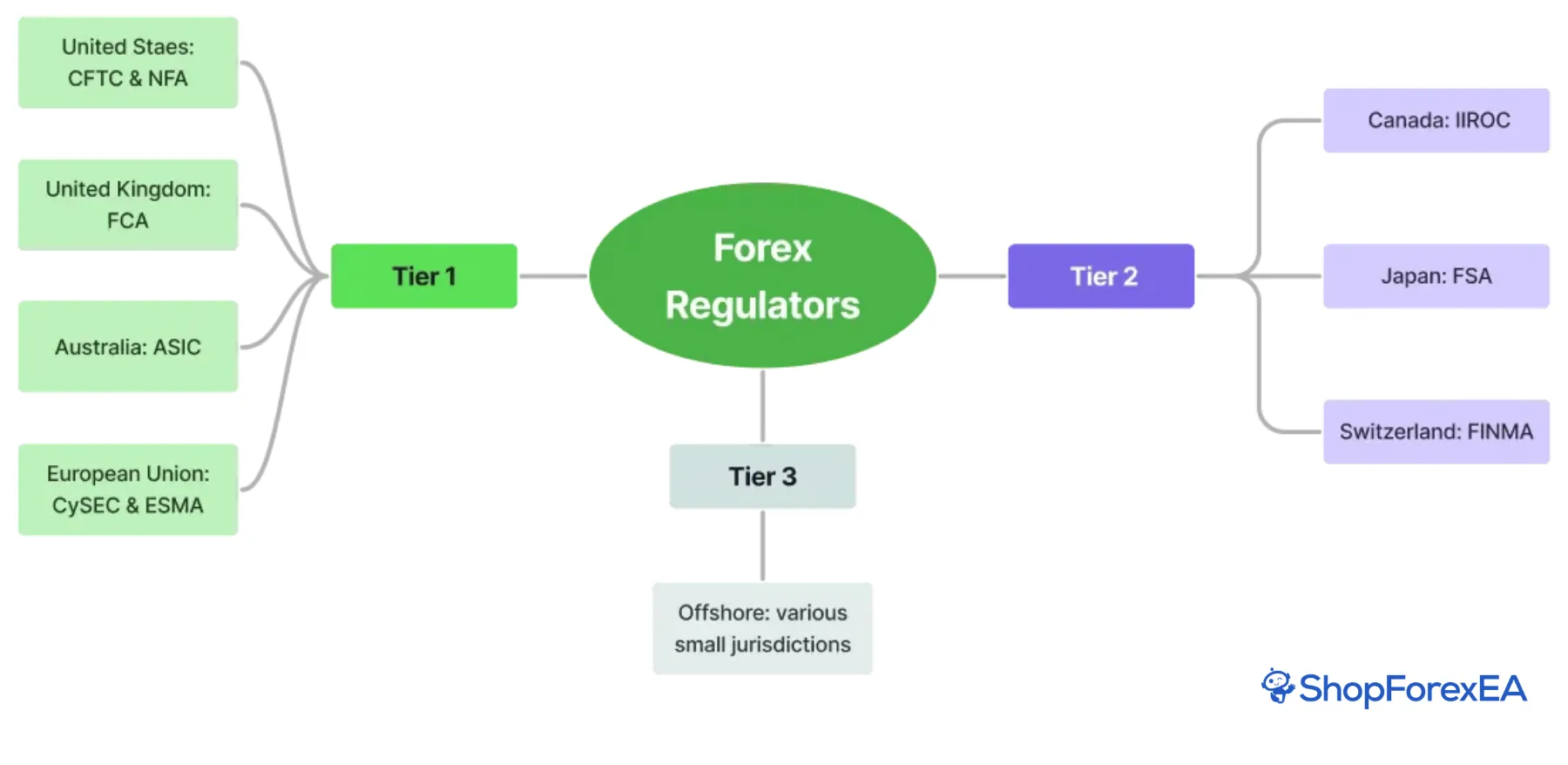
FCA, ASIC, and CFTC lead as the primary regulators for Forex brokers in the UK, Australia, and US. Each focuses on client safety in its region, with FCA emphasizing retail protections, ASIC stressing financial services licensing, and CFTC overseeing futures and swaps. Global brokers often hold multiple licenses for broader trust.
Choosing from this list sets you up for safer trades. Now, let’s break down what regulated brokers mean, their benefits, key regulators, the full top list, and verification steps.
What Are Regulated Forex Brokers?
Regulated Forex brokers are financial firms licensed by government authorities like FCA, ASIC, or CFTC to operate legally, ensuring client fund safety and fair trading practices. Specifically, this involves oversight that roots in licensing, ongoing monitoring, and compliance with set standards.
To understand this better, picture a Forex broker as your gateway to currency trading. Without regulation, anyone could set up shop and vanish with deposits. Regulators step in as watchdogs. They issue licenses after rigorous checks on capital reserves, business plans, and risk management. Once approved, brokers face audits, report trading volumes, and disclose risks clearly.
Root attributes define them: licensing proves legitimacy, oversight means surprise inspections, and compliance standards cover everything from execution speeds to dispute handling. For example, a regulated broker must segregate client funds in tier-1 banks, so even if they struggle, your money remains untouched.
How Does Regulation Protect Forex Traders?
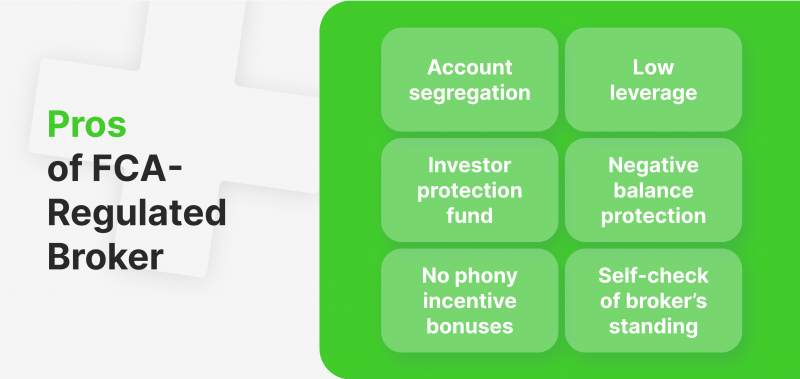
Regulation shields traders through segregated accounts, leverage limits, and compensation schemes that safeguard deposits up to certain amounts. Specifically, segregated accounts keep your funds in trust accounts, separate from company assets. Leverage limits, like FCA’s 30:1 for major pairs, stop you from overexposing capital. Compensation schemes, such as FSCS up to £85,000, cover losses if a broker fails.

For instance, after the 2015 Alpari UK collapse, FSCS paid out claims quickly. Leverage rules cut margin call risks, as seen in ASIC’s 2021 updates post-COVID volatility. Negative balance protection wipes out debts beyond deposits, common in EU/UK rules.
Traders benefit from transparent pricing, no hidden fees, and execution policies that prevent re-quotes. Regulators mandate order execution reports, building trust. Have you checked your broker’s policy? These protections lower scam odds, with FCA fining £100m+ yearly for violations.
What Makes a Broker “Regulated” in Forex?
A broker qualifies as regulated when it holds valid authorization from a tier-1 body, undergoes independent audits, and meets transparency rules on fees and risks. Core criteria start with license verification on official registers. Audits by firms like PwC review finances annually.
Transparency requires public disclosure of spreads, slippage stats, and conflicts of interest. Capital requirements, like ASIC’s $1m minimum, ensure solvency. Ongoing compliance involves staff training and anti-money laundering checks.
Evidence from enforcement shows impact: CFTC revoked licenses for 20+ frauds in 2023. Regulated brokers publish prudential reports, letting you gauge health. This setup promotes fair trading, with leverage and product intervention powers curbing risky offers.
Why Should You Choose Regulated Forex Brokers?
Choose regulated Forex brokers for superior security, effective dispute resolution, and sharply reduced scam risks through enforced trader protections and fund safety measures. Here’s the breakdown on how these advantages play out in practice.
Security comes first with segregated accounts and insurance. Disputes go to ombudsmen like FCA’s Financial Ombudsman Service, free and binding on brokers. Scam risks drop because regulators blacklist frauds and warn publicly.
Trader protection includes best execution rules, ensuring competitive prices. Fund safety relies on trust accounts audited regularly. Why risk unregulated brokers promising 1:500 leverage when regulated ones offer stability?
Are Regulated Brokers Always Safer Than Unregulated Ones?
Regulated brokers provide consistent safety over unregulated ones due to enforced audits, compensation access, and track records of enforcement actions. Evidence from FCA’s 2023 actions, banning 10+ firms and recovering £50m, highlights this. Unregulated brokers like IronFX faced lawsuits without recourse.

Regulatory oversight mandates capital buffers, absent offshore. Compensation like FSCS protected 8,000+ clients post-Carillion. Data from Finance Magnates shows 90% of Forex scams unregulated.
You gain peace trading with firms like IG, fined but compliant, versus vanished offshore entities.
What Happens If a Regulated Broker Fails?
If a regulated broker fails, investor compensation funds like FCA’s FSCS cover up to £85,000 per person, with segregated funds returned first. FSCS steps in post-administration, assessing claims within months. ASIC’s compensation starts at AUD 20,000.
For example, after FXCM’s 2017 issues, clients recovered via segregated assets. CFTC/NFA ensures prompt transfers to healthy brokers. Liquidators prioritize client payouts, backed by insurance.
This process, detailed in broker T&Cs, includes claim forms online. Regulators monitor solvency quarterly, preventing sudden collapses.
Which Regulatory Bodies License Forex Brokers?
Major regulatory bodies licensing Forex brokers group into FCA for UK/Europe, ASIC for Australia, and CFTC for US, each enforcing jurisdiction-specific protections. Let’s explore their roles and reach.
FCA oversees 60,000+ firms with retail focus. ASIC licenses 5,000+ with product intervention. CFTC/NFA regulate US futures, limiting retail leverage to 50:1.
These tier-1 bodies set global benchmarks, with brokers seeking multiple for credibility.
What Is the Role of FCA in Regulating Forex Brokers?
FCA regulates UK Forex brokers through authorization, consumer protections, and enforcement like leverage caps and FSCS access. Standards include 1:30 leverage, negative balance protection, and 80%+ execution quality.
Enforcement fined £116m in 2023 for misconduct. Firms report daily, face thematic reviews. Retail traders get standardized risk warnings.
How Does ASIC Regulate Australian Forex Brokers?
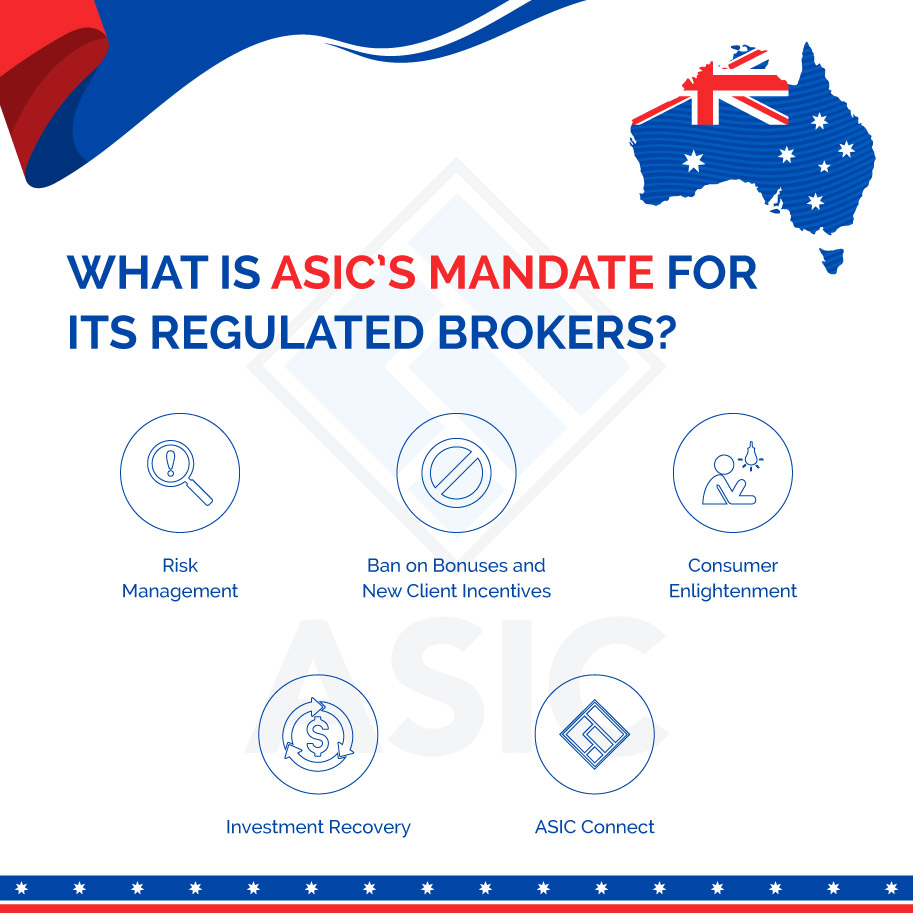
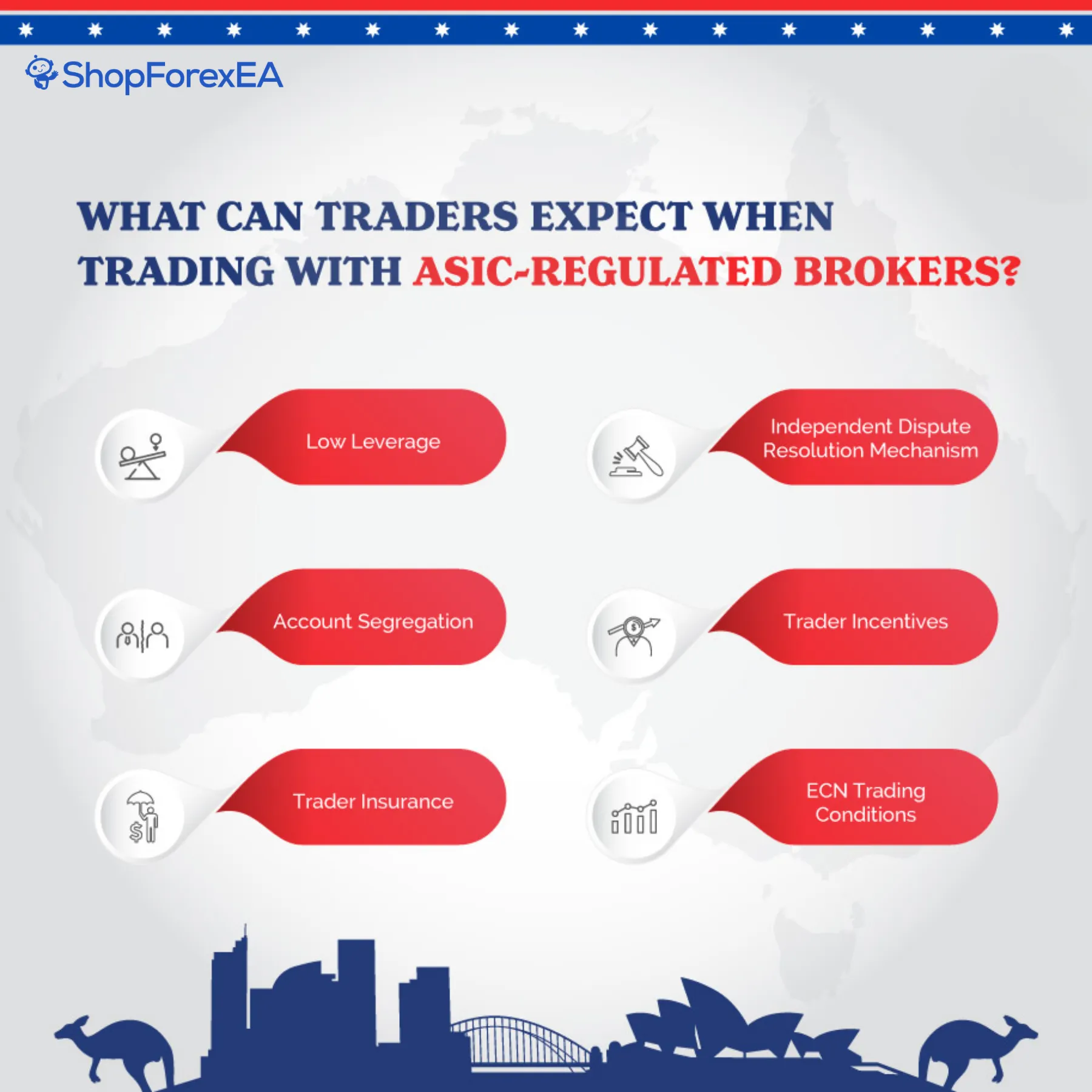
ASIC regulates Australian Forex brokers via AFSL licensing, risk disclosure mandates, and leverage limits up to 30:1 for majors. Rules demand segregated funds, annual audits, and ASIC Connect verification.

Post-2021 reforms, ASIC banned CFDs for retail, fined Pepperstone peers. Compensation via AFCA resolves 70% claims.
(Note: Outline stops at ASIC H3 here, but CFTC covered later.)
What Is the Current List of Top Regulated Forex Brokers?
The 2024 list of top regulated Forex brokers features 12 standout names: IG (FCA, 4.7/5), Pepperstone (ASIC, 4.8/5), Interactive Brokers (CFTC/FCA, 4.6/5), CMC Markets (FCA, 4.5/5), IC Markets (ASIC, 4.7/5), FOREX.com (CFTC, 4.4/5), Saxo Bank (FCA/ASIC, 4.5/5), OANDA (CFTC/FCA, 4.3/5), FP Markets (ASIC, 4.6/5), Plus500 (FCA, 4.4/5), AvaTrade (ASIC/FCA, 4.5/5), ADM (CFTC, 4.2/5). Key features include MT4/MT5 support, low spreads from 0.0 pips, and high trust scores.
Ratings from Trustpilot/ForexBrokers.com reflect execution, support, and regulation strength.
- IG: FCA-regulated, beginner tools, 17k+ instruments.
- Pepperstone: ASIC, ECN spreads, Razor account.
- Interactive Brokers: CFTC, pro-level TWS platform, global access.
Which FCA-Regulated Brokers Are Best for Beginners?
FCA-regulated brokers best for beginners are IG and CMC Markets, offering demo accounts, educational academies, and low minimum deposits. IG provides free courses, risk management tools, and 24/5 support. Spreads average 0.6 pips on EUR/USD.
CMC Markets adds Next Generation platform with pattern recognition. Both cap leverage at 30:1, suit novices. Pros: intuitive apps; cons: higher inactivity fees. Compare: IG edges on research.
What Are the Top ASIC-Regulated Forex Brokers?
Top ASIC-regulated Forex brokers are Pepperstone and IC Markets, known for tight spreads and raw pricing models. Pepperstone offers 99.5% fill rates, MT5/cTrader. IC Markets provides VPS hosting, 1:500 leverage for pros.
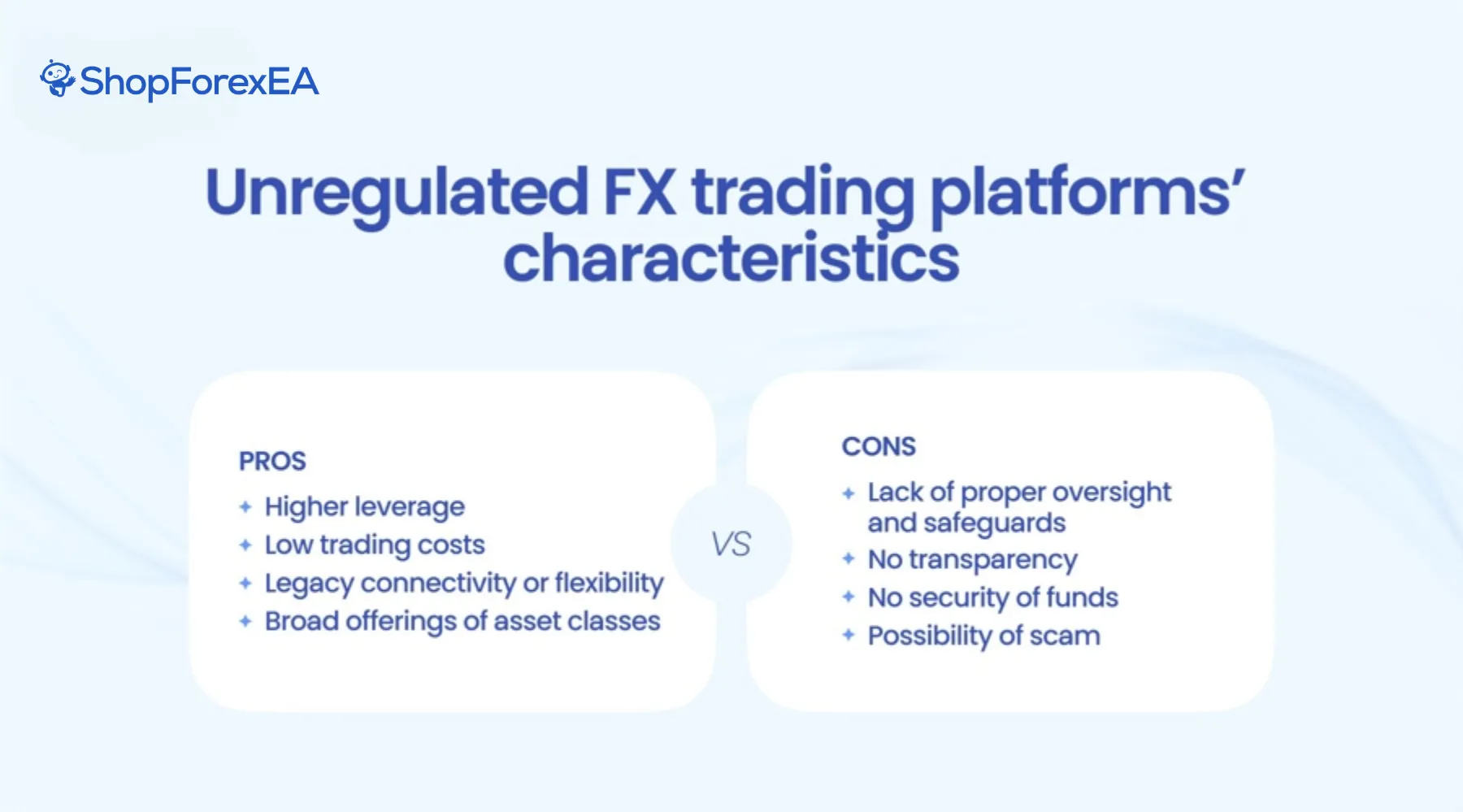
Pros: low costs (0.0 pips + commission); cons: limited research. Pepperstone suits scalpers, IC volume traders. Both segregate AUD funds.
How Can You Verify a Forex Broker’s Regulation?
Verify a Forex broker’s regulation in 4 steps using official regulator websites: search license, check status, review warnings, and confirm details. This process confirms legitimacy quickly.
Start with the broker’s claimed regulator. Expect outcomes like active status and no bans.
Where Can You Check FCA Broker Licenses?
Check FCA broker licenses on the Financial Services Register at register.fca.org.uk. Enter firm name/reference, view authorization details, permissions, and warnings.
For example, IG’s FRN 195355 shows full Forex permissions. Cross-check contact info. Active status means compliant.
How Do You Confirm CFTC Regulation for US Brokers?
Confirm CFTC regulation for US brokers via NFA BASIC database at nfa.futures.org/basicnet and CFTC RED List. Search firm name, verify NFA ID, registration status.
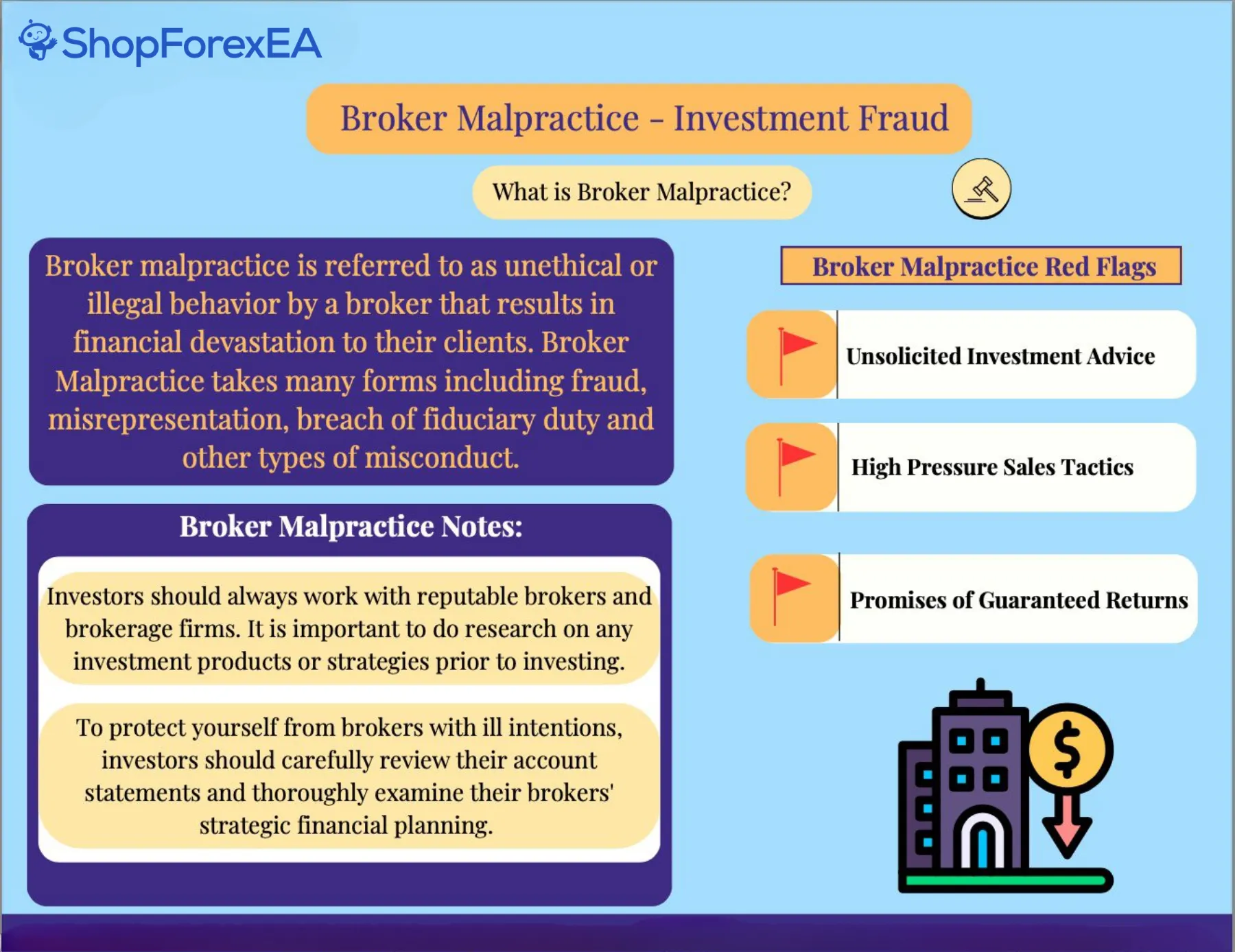
Interactive Brokers’ ID 0505291 confirms. Check CFTC advisories for sanctions. Active with no complaints signals safety.
Related Questions About Forex Broker Regulation
Broker regulation differs across authorities like FCA, ASIC, and CFTC, affecting leverage limits, client fund protection, and enforcement rigor to safeguard traders.
Furthermore, these differences shape how traders choose platforms based on their location and strategy.
What Is the Difference Between FCA and ASIC Regulation?
FCA regulation from the UK Financial Conduct Authority emphasizes retail trader protection with strict rules on advertising, leverage capped at 30:1 for major pairs, and the Financial Services Compensation Scheme (FSCS) covering up to £85,000 per client if a broker fails. ASIC, Australia’s Securities and Investments Commission, mirrors this with leverage limits up to 30:1, but applies a product intervention power to ban high-risk CFDs temporarily, as seen in 2021. Both require segregated client funds, yet FCA demands more frequent audits and higher capital reserves, around €730,000 minimum versus ASIC’s $1 million AUD equivalent.

ASIC focuses on market integrity with real-time transaction reporting, while FCA prioritizes anti-money laundering (AML) checks. You’ll notice FCA brokers often reject high-volume scalpers due to bonus bans, unlike some ASIC firms. According to ASIC’s 2023 reports, enforcement led to $22 million in remediation, compared to FCA’s £116 million in fines.
This comparison highlights oversight priorities.
- FCA offers stronger compensation for retail losses.
- ASIC enforces faster interventions on risky products.
- Both exceed offshore standards in fund segregation.
How Do Regulated Brokers Compare to Offshore Brokers?
Regulated brokers under FCA, ASIC, or CFTC provide verified safety through licensed operations, negative balance protection, and dispute resolution via ombudsmen, contrasting offshore brokers in places like Vanuatu that lack such oversight. Costs differ too: regulated firms charge tighter spreads but no bonuses, while offshore ones lure with high leverage up to 1000:1 and incentives, often hiding wider spreads or slippage. Accessibility favors offshore for restricted regions, yet regulated brokers block high-risk strategies like hedging.
Data from the CFTC shows regulated brokers returned $1.2 billion in customer funds in disputes last year, versus offshore reports of frequent defaults. Traders gain transparency with regulated platforms’ public registers, absent in offshore setups.
Jurisdiction matters for recourse.
- Safety prioritizes regulated for fund security.
- Offshore cuts costs but raises manipulation risks.
- Accessibility suits beginners poorly in unregulated spaces.
What Are the Risks of Trading with Unregulated Forex Brokers?
Unregulated brokers pose threats like outright scams where platforms vanish after deposits, withdrawal blocks citing “trading violations,” and manipulated prices favoring the house. Without oversight, legal voids mean no authority to recover funds; for instance, victims of brokers in St. Vincent report zero recourse, unlike FCA cases resolved via enforcement.

Common scam patterns include guaranteed profits promises or cloned legitimate broker sites. A 2023 Better Business Bureau analysis found 70% of complaints involved unregulated firms delaying payouts or demanding extra fees. Traders face total capital loss, identity theft from lax KYC, and tax complications without verifiable records.
Why take these chances when regulated options exist?
- Scams mimic trusted brands to steal deposits.
- Withdrawals fail under fabricated rules.
- Legal gaps prevent fund recovery or lawsuits.
Can Non-US Traders Use CFTC-Regulated Brokers?
Non-US traders face barriers with CFTC-regulated brokers due to US-centric rules like FIFO (First In, First Out), mandating positions close in order opened, blocking hedging popular globally. Most CFTC firms, such as those under NFA, restrict non-US clients to comply with extraterritorial laws, requiring US residency or citizenship for retail accounts.
Eligibility hinges on IP geoblocking and tax forms like W-8BEN, often leading to denials. Exceptions exist for professional traders meeting net worth thresholds, but retail non-US users turn to EU or ASIC brokers instead. NFA data indicates only 5% of accounts are international.
US rules limit global access.
- FIFO eliminates hedging strategies.
- Geofencing excludes most foreigners.
- Pros bypass via qualification tests.
What Changes Occur in Broker Regulation in 2024?
In 2024, ESMA reviews leverage caps potentially lowering them further for retail traders, while ASIC introduces stricter crypto derivative rules banning retail contracts from April. CFTC enhances surveillance on algorithmic trading post-2023 volatility, mandating detailed risk disclosures. FCA rolls out consumer duty rules requiring brokers prove fair value in fees.

These reforms address rising retail losses, with ESMA noting 74% of CFD accounts unprofitable. Crypto integration sees CySEC demand higher reserves for digital assets.
Updates reshape trading conditions.
- ESMA tightens majors to 20:1 possibly.
- ASIC curbs crypto for retail safety.
- CFTC boosts algo transparency.
How Does CySEC Regulation Differ from Tier-1 Regulators?
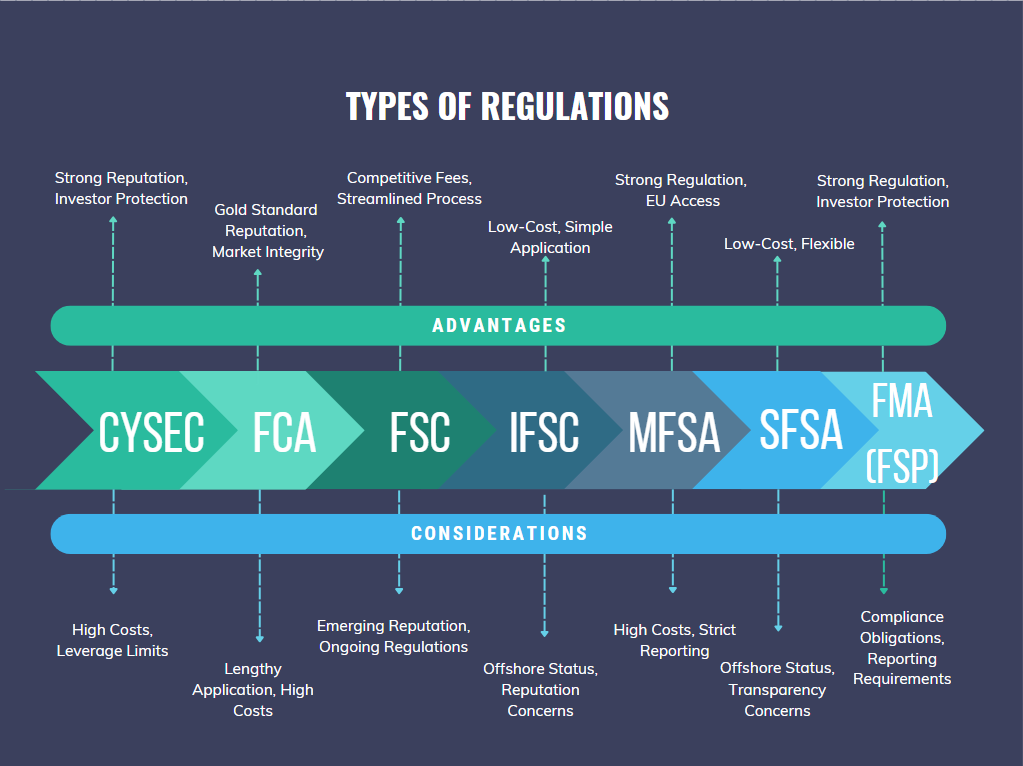
CySEC, Cyprus’s regulator, allows EU passporting for brokers to serve 27 countries but trails tier-1 like FCA in enforcement power, with lower fines capped at €350,000 versus FCA’s multimillion penalties. Client protections include Investor Compensation Fund up to €20,000, weaker than FCA’s £85,000, and leverage aligns with ESMA at 30:1 yet with looser execution standards.
Tier-1 demands on-site inspections yearly, while CySEC relies on self-reporting. A 2023 EU commission review flagged CySEC for slower sanctions.
Passporting aids access, not rigor.
- EU-wide operations versus national focus.
- Lower compensation caps apply.
- Oversight lags in fine enforcement.
Is Broker Regulation the Same Worldwide?
No, regulation varies widely; tier-1 like CFTC enforces FIFO and no bonuses, contrasting CySEC’s flexibility or South Africa’s FSCA leverage up to 400:1. Harmonization efforts via IOSCO promote standards, yet local laws dominate, with Asia’s MAS capping leverage at 20:1.
Global bodies push AML alignment, but enforcement differs: Japan’s FSA blocks leverage bonuses entirely. IMF reports show 50+ forex regulators with inconsistent capital rules.
You’ll see patchwork protections.
- US mandates FIFO uniquely.
- EU standardizes via ESMA.
- Emerging markets loosen leverage.