









Blog
Forex Scams to Avoid: Common Types, Warning Signs, and Protection Strategies

Forex scams are fraudulent operations that trick traders into losing money in the foreign exchange market through fake brokers, Ponzi schemes, signal sellers, and robot vendors, but you can spot them by checking for unregulated platforms, impossible profit promises, and aggressive sales tactics while protecting yourself with regulation verification and independent reviews. These schemes target beginners drawn to the promise of quick riches in currency trading. They often mimic legitimate brokers with flashy websites and testimonials. By understanding these patterns, you stay one step ahead. Common types prey on trust in high-leverage trades.
The most frequent Forex scams involve fake brokers who vanish after deposits, Ponzi setups that collapse under new investor money, and signal or robot services delivering losses instead of wins. Victims lose billions yearly, according to reports from financial watchdogs. You will notice these scams cluster around unregulated offshore entities.
Key warning signs include brokers without oversight from agencies like the CFTC or FCA, guarantees of risk-free high returns, and pressure to deposit quickly. These flags appear early, often in ads or calls. Spotting them prevents involvement from the start.
Now that you know the basics, let’s break down each element in detail, starting with a clear definition of what makes something a Forex scam.
What Is a Forex Scam?
A Forex scam is a fraudulent scheme in the foreign exchange market that promises easy profits but uses deception to steal deposits, originating from unregulated operators exploiting trader inexperience with fake platforms and manipulated trades. Let’s explore this further.
Forex trading involves buying and selling currencies to profit from exchange rate changes. Scammers twist this legitimate activity into traps. They create websites that look professional, complete with charts and apps. But behind the scenes, trades never happen, or results are faked.
You might wonder, how do these scams gain traction? The foreign exchange market moves trillions daily, attracting novices with stories of overnight millionaires. Scammers feed on that hype. They offer leverage up to 1:500, meaning small deposits control large positions. In reality, legitimate brokers cap this for safety.
Key features include no real market access. Funds go into scammer pockets, not trading accounts. Victims see fake profits initially to build confidence. Withdrawal requests trigger excuses like “tax fees” or “margin calls.”
Regulatory bodies track these. The Commodity Futures Trading Commission (CFTC) in the US warns of over 200 scam alerts yearly. Similar patterns appear globally via the Financial Conduct Authority (FCA) in the UK.
Why do they persist? Low barriers to entry. Anyone can set up a broker site with offshore hosting. No upfront capital needed beyond marketing.
To spot one, check domain age. Legit sites run years; scams last months. Ask yourself: Does the broker list a physical address? Verify it on Google Maps.
Education matters here. Forex requires understanding pips, spreads, and slippage. Scams skip teaching, pushing “copy trades” instead.
Real brokers provide demo accounts without pressure. Scams rush you to live trading.
In short, a Forex scam preys on greed and ignorance. It lacks transparency in execution, regulation, and payouts. Always cross-check claims against official sources. This foundation helps you navigate safer.
What Are the Most Common Types of Forex Scams?
There are four main types of Forex scams: fake brokers, Ponzi schemes, signal sellers, and robot vendors, categorized by how they deceive traders into depositing funds without real trading. Here’s the breakdown.
Are Fake Broker Scams the Most Prevalent in Forex?
Yes, fake broker scams dominate Forex due to their ease of setup, high victim numbers from cloned sites, and quick fund theft after deposits. Specifically, these involve unregulated platforms mimicking big names like IG or OANDA.

Scammers register domains similar to legit brokers, say “fxcm-trade.com” instead of “fxcm.com.” They use stolen logos and testimonials. Traders sign up, deposit via credit card or crypto. Initial small withdrawals work to build trust.
Then, problems start. Large profit withdrawals fail. Excuses pile up: “Verification needed” or “Market volatility.” Funds disappear.
Evidence from the CFTC shows fake brokers caused $1.2 billion in losses in 2022 alone. North American Securities Administrators Association (NASAA) reports them as top complaints.
For instance, brokers in Cyprus or Seychelles claim EU regulation but lack CySEC licenses. Check NFA’s BASIC database for US ties.
These scams thrive on social proof. Fake reviews flood Trustpilot. Real ones come from ForexPeaceArmy, an independent forum.
Protection starts with regulation checks. If absent, walk away.
What Are Ponzi Scheme Forex Scams?
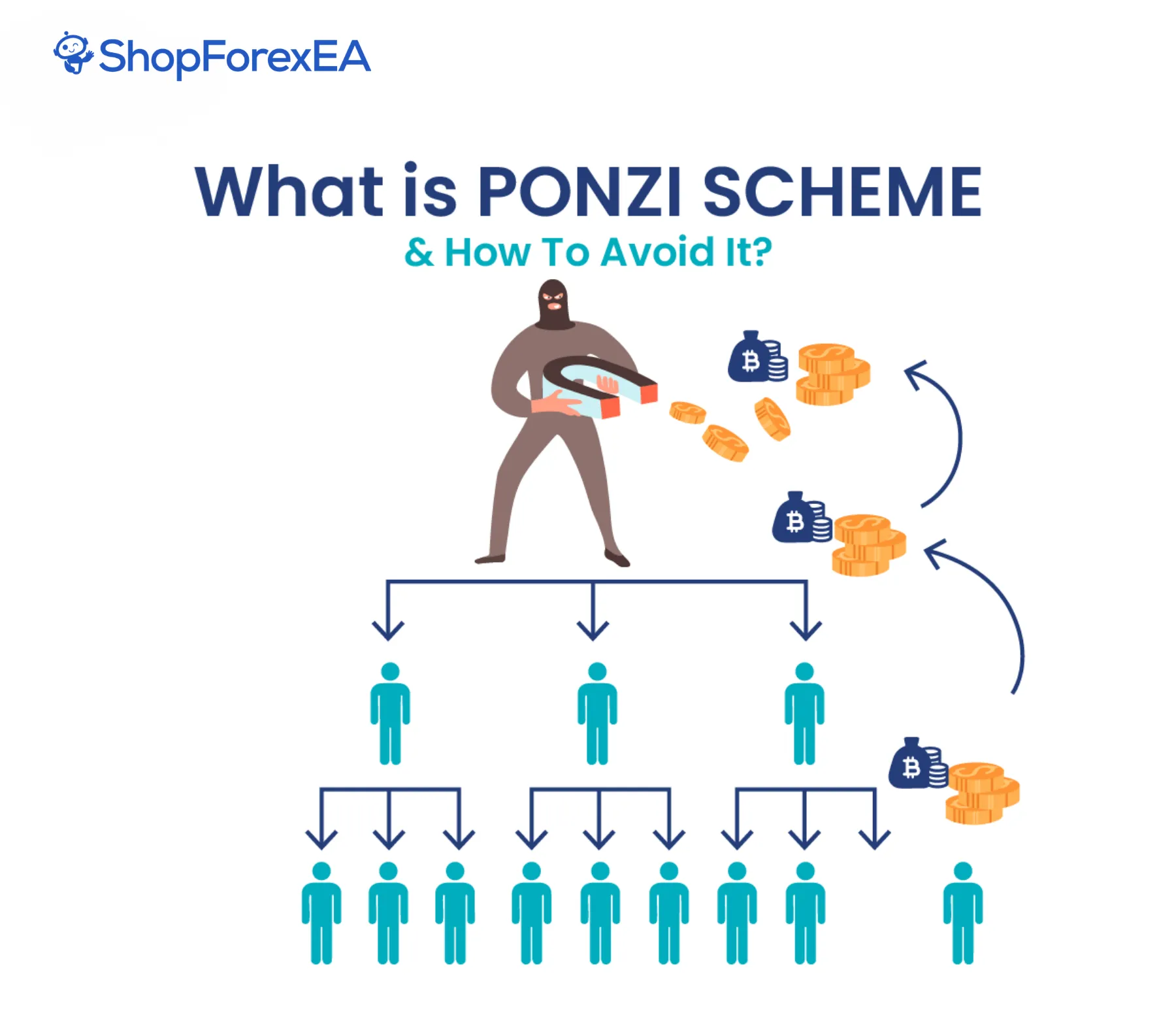
Ponzi scheme Forex scams promise steady returns by paying early investors with money from new ones, collapsing when inflows stop. In detail, operators pose as fund managers.
They advertise “managed accounts” with 20-50% monthly gains. Early joiners get payouts, fueling referrals. Pyramid grows until saturation.
Classic example: OneCoin, though crypto-linked, mirrored Forex Ponzis like GB Forex. Investors lost millions.
SEC data reveals Forex Ponzis average 18 months before bust. Promoters flee with billions.
Traits include closed groups on Telegram, referral bonuses, and opaque strategies. Legit funds disclose holdings.
You see high minimums, like $10,000, to limit scrutiny. Returns ignore market downturns.
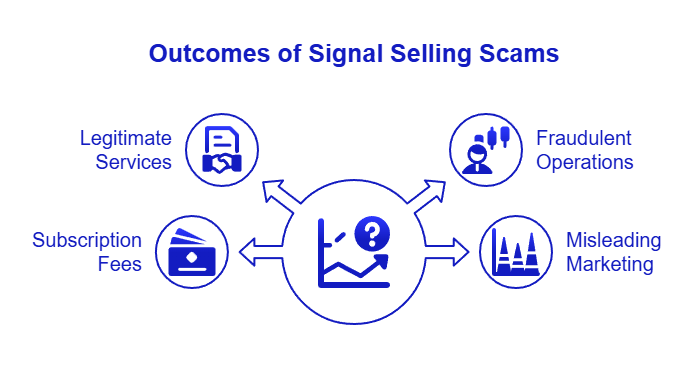
Do Signal Seller and Robot Scams Exist in Forex?
Signal seller and robot scams are widespread in Forex, selling paid alerts or automated software that underperform or rig results to lure more buys. For example, Telegram channels charge $99/month for “90% win rate” signals.
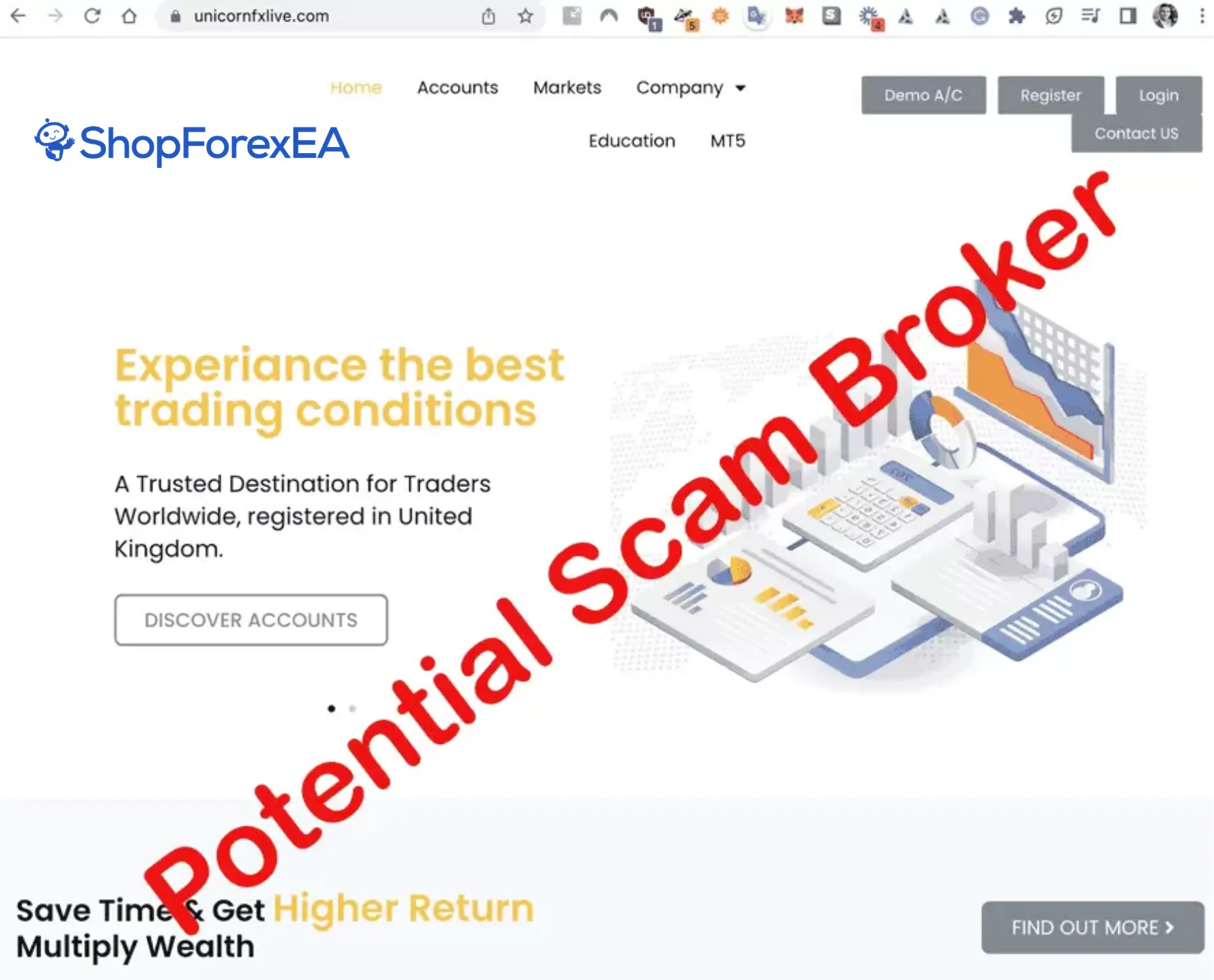
Sellers backtest on historical data, hiding live failures. Robots, or EAs, promise hands-free trading but curve-fit past data.
Myfxbook verifies live performance; scams avoid it. FTC notes thousands duped yearly.
Brokers sometimes partner, splitting fees. Always test on demo first.
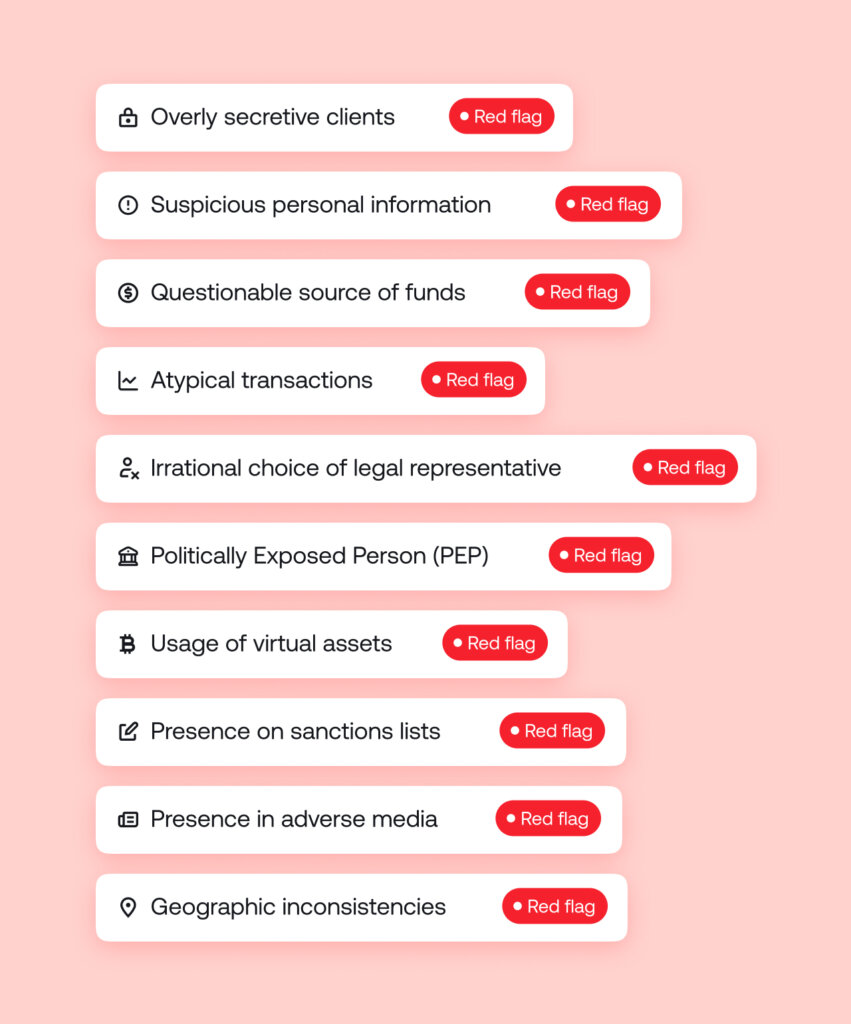
What Are the Warning Signs of a Forex Scam?
Warning signs of Forex scams include unregulated status, guaranteed profits, pressure tactics, poor transparency, and unsolicited offers. To understand this better, consider these indicators.
Is an Unregulated Broker a Major Red Flag?
Yes, an unregulated broker signals high scam risk because it lacks oversight from bodies like CFTC or FCA, enabling fund misappropriation without recourse. Regulated firms segregate client money in tier-1 banks.
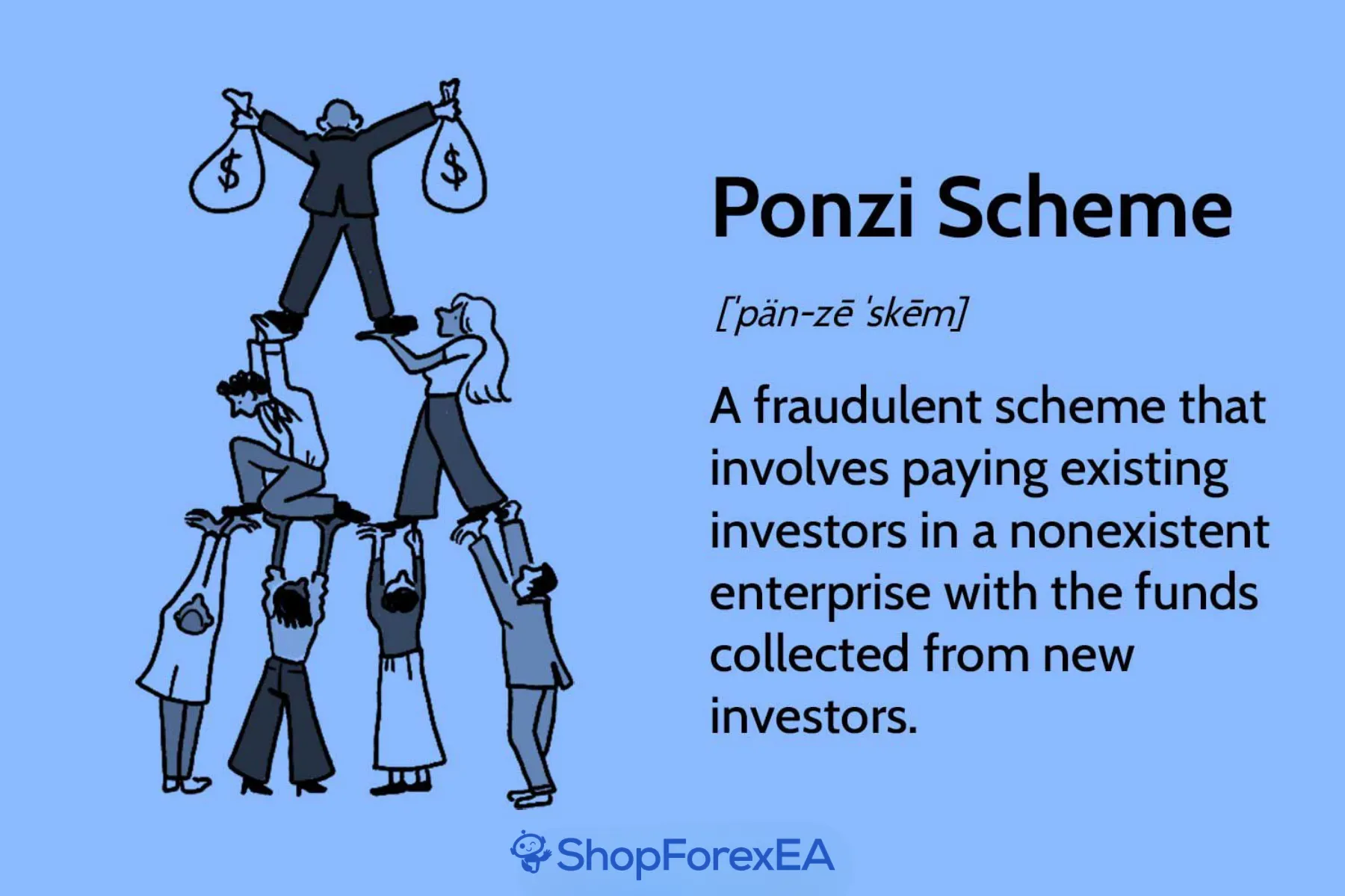
Unregulated ones, often in St. Vincent or Vanuatu, skip audits. Check FCA’s register or ASIC’s list.
For instance, if a broker claims “no KYC,” it’s dodging AML rules. Legit ones require ID.
CFTC blacklists grow monthly. Victims recover pennies via chargebacks if quick.
Do Guarantees of High Returns Signal a Scam?
Guarantees of high returns like 100% profit or risk-free trading indicate scams since Forex involves market risks no honest broker can eliminate. Past performance rules apply, but scammers ignore them.
Promises of 1-2% daily compound fast unrealistically. Real pros aim 5-20% yearly.
Ads say “double your money in weeks.” Math shows impossibility without huge risk.
FCA fines firms for such claims. Spot via bonus offers too good, like 1000% deposit matches.
How Do Forex Scams Typically Operate?
Forex scams operate through a five-step process: lure with ads, onboard with demos, extract deposits, fake profits, then block withdrawals for total loss. Let’s see the mechanics.
What Luring Tactics Do Forex Scammers Use?
Scammers lure victims with social media ads, fake webinars, celebrity endorsements, and personalized cold calls promising insider edges. Platforms like Facebook target “get rich quick” searches.

Seminars in hotels feature actors as success stories. Instagram influencers shill for commissions.
Testimonials use stock photos. Reverse image search exposes fakes.
How Do Scammers Extract Funds from Victims?
Scammers extract funds by offering deposit bonuses, showing fabricated profits, then demanding fees for taxes, insurance, or upgrades before vanishing. First deposit triggers “match bonus,” locking funds.
:max_bytes(150000):strip_icc()/forex_chart_thinkstock_188044056.cropped-5bfc31fac9e77c005180f857.jpg)
Profits appear, but withdrawal needs “proof of source.” Then endless fees.
Crypto deposits aid anonymity. Banks flag patterns.
How Can You Avoid Falling Victim to Forex Scams?
Avoid Forex scams by verifying broker regulation, using demo accounts, researching independent reviews, and starting small. Here’s how.
Should You Always Verify Broker Regulation?
Always verify broker regulation through official sites like CFTC’s NFA BASIC or FCA register to confirm licenses and complaint history. Enter name; mismatches mean fraud.
Global checks via ESMA or ASIC. Tier-1 regulation offers compensation schemes.
Is Researching Reviews Essential Before Trading?
Researching reviews from sites like ForexPeaceArmy and WikiFX is essential as they reveal withdrawal issues broker sites hide. Cross-reference multiple sources.
Avoid paid reviews. User timelines show patterns.
What Should You Do If You’ve Been Scammed in Forex?
If scammed in Forex, immediately contact your bank for chargeback, report to CFTC or local police, secure accounts, and consult recovery lawyers without upfront fees. Act fast.
Preserve evidence: emails, statements. File with IC3.gov for FBI tracking.
Avoid “recovery scams” charging to retrieve funds. Legit help is free via regulators.
Join forums like ScamSurvivors for support. Tax deductions possible on losses.
Change passwords everywhere. Monitor credit.
Recovery rates low, under 10%, per FTC. Prevention beats cure.
Related Questions About Forex Scams and Trading Safety
Forex scams extend beyond initial frauds to include recovery schemes, varying global regulations, psychological manipulations, and distinctions from legitimate trading or crypto risks, often amplified by affiliates and AI tools.
Furthermore, these questions reveal how scammers evolve tactics and why vigilance across borders matters for trader protection.
What Are Recovery Scams in the Forex Space?
Recovery scams target traders who have already lost money to initial Forex frauds, posing as legitimate services that promise to retrieve funds for a fee. Victims pay upfront, only to lose more without any recovery. These secondary scams exploit desperation, with fraudsters using fake testimonials and forged documents to build trust.

You’ll notice these often follow signal seller or fake broker schemes. Scammers contact victims via email or social media, claiming expertise in chargebacks or legal action against the original fraudster. They demand 10-30% of recovered funds in advance, which disappears once paid.
This cycle worsens losses, as data from the FBI’s Internet Crime Complaint Center shows recovery frauds costing millions annually in Forex-related cases.
Common in unregulated offshore operations, they prey on emotional vulnerability post-loss.
- Recovery agents use cloned websites mimicking real recovery firms like Chargeback.com.
- Fees range from $1,000 to tens of thousands, with no refunds or results.
- Victims face repeated targeting, turning one scam into multiple hits.
What’s more, reporting to authorities like the CFTC can help trace patterns, but prevention starts with avoiding unsolicited recovery offers.
How Does Forex Scam Regulation Differ by Country?
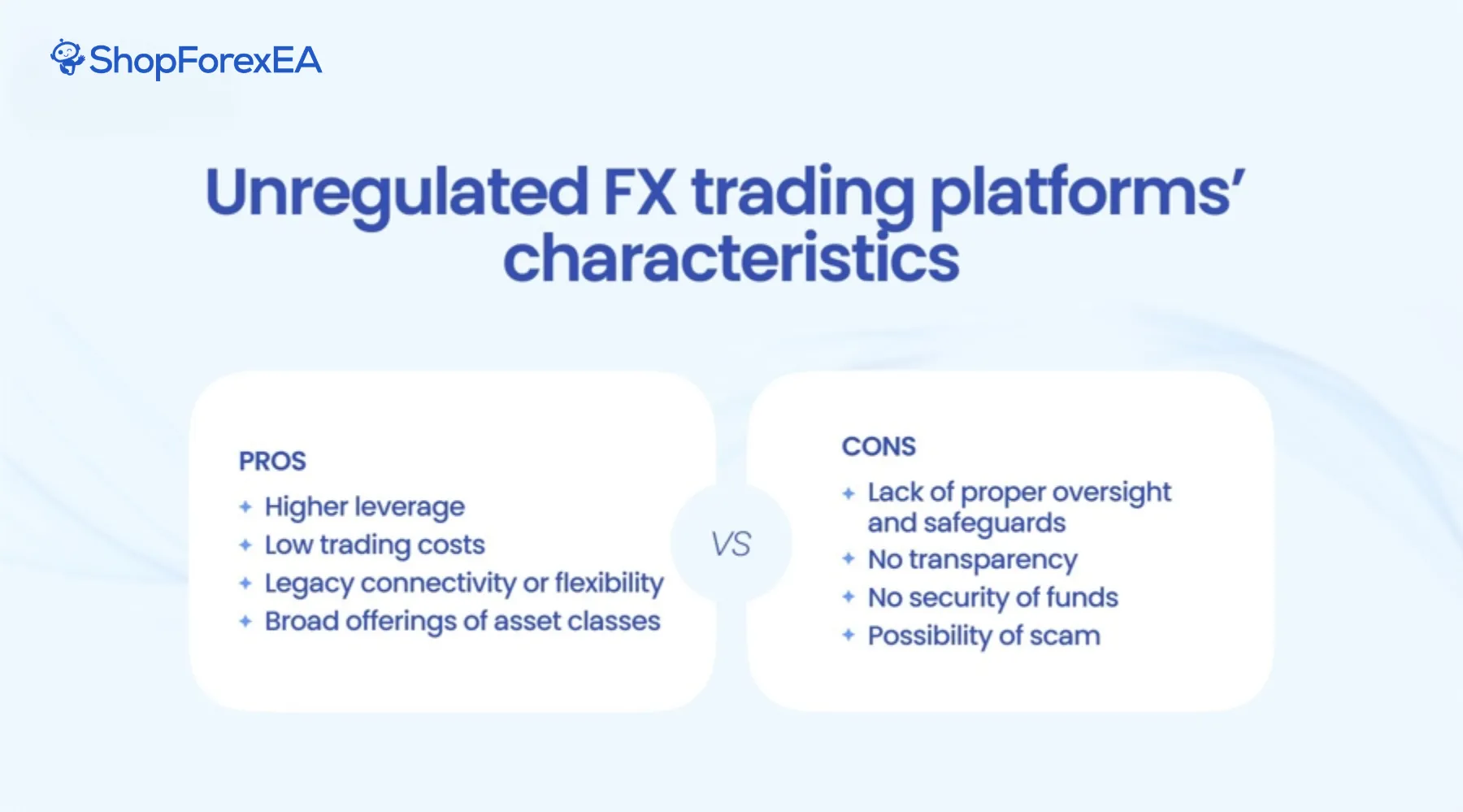
Forex scam regulation varies widely, with strict oversight in places like the UK under the Financial Conduct Authority (FCA) contrasting looser rules in Cyprus via CySEC, affecting broker legitimacy and trader recourse.
In the UK, FCA mandates client fund segregation and negative balance protection, banning high-leverage promotions. Breaches lead to swift license revocation and fines up to millions. The US CFTC and NFA require registration and cap leverage at 50:1 for majors.
CySEC, part of EU MiFID II, allows higher leverage but enforces transparency. Offshore havens like Seychelles offer minimal oversight, attracting scam brokers.
This patchwork creates cross-border challenges, as a CySEC-regulated firm might serve global clients with varying protections.
- FCA emphasizes retail investor safeguards, with leverage limits at 30:1.
- CySEC focuses on passporting services across EU, but enforcement lags on complaints.
- US rules prohibit retail Forex for non-majors, pushing scams offshore.
Traders should verify licenses on official registries. Why does this matter? A broker legal in one country might evade rules elsewhere.
What Is the Difference Between a Forex Scam and Legitimate High-Risk Trading?
A Forex scam guarantees profits or uses manipulated trades, while legitimate high-risk trading involves real market volatility without such promises, relying on skill and analysis.
Legit high-risk strategies like scalping or news trading accept drawdowns from economic events, with brokers providing transparent MT4/MT5 platforms and verifiable execution. Scams fake demos showing 90% wins, then switch to rigged accounts.
Volatility in legit trading stems from genuine factors like GDP releases, unlike scam-fixed spreads and stop-hunting. Regulated brokers disclose slippage risks; frauds hide backend manipulation.
High-risk legit trading demands risk management, with losses possible even for pros.
- Legit: Audited trade histories, no deposit bonuses tied to volume.
- Scams: Unrealistic returns, pressure to deposit more after “wins.”
- High-risk legit often uses 1:500 leverage under regulation, with education.
Ever wondered why pros lose too? Markets move on data, not guarantees. Check broker regulation to distinguish.
Are Forex Affiliate Marketing Scams Common?
Yes, Forex affiliate marketing scams are widespread, where promoters earn commissions by driving deposits to fraudulent brokers, using deceptive ads and fake reviews to lure traders.

Affiliates flood social media with “millionaire mentors” stories, linking to unregulated platforms. They pocket referral fees on deposits, even if traders lose everything. Platforms like Instagram host thousands of such schemes.
Promoter-driven deception includes paid influencers hiding risks, boosting scam visibility. FTC reports highlight affiliates as key vectors in Forex fraud.
Unlike ethical affiliates disclosing commissions, scammers use urgency tactics.
- Common on YouTube with “funded account” challenges leading to shady brokers.
- Affiliates ignore regulation, promoting Seychelles entities over FCA ones.
- Earnings model incentivizes volume over trader success.
To spot them, scrutinize disclosure and broker licenses. How prevalent? Industry estimates suggest 40% of Forex promotions link to risks.
What Psychological Tactics Do Forex Scammers Use?
Forex scammers exploit FOMO (fear of missing out) and greed by showcasing live “wins” on social proof videos, pressuring quick deposits during market spikes.
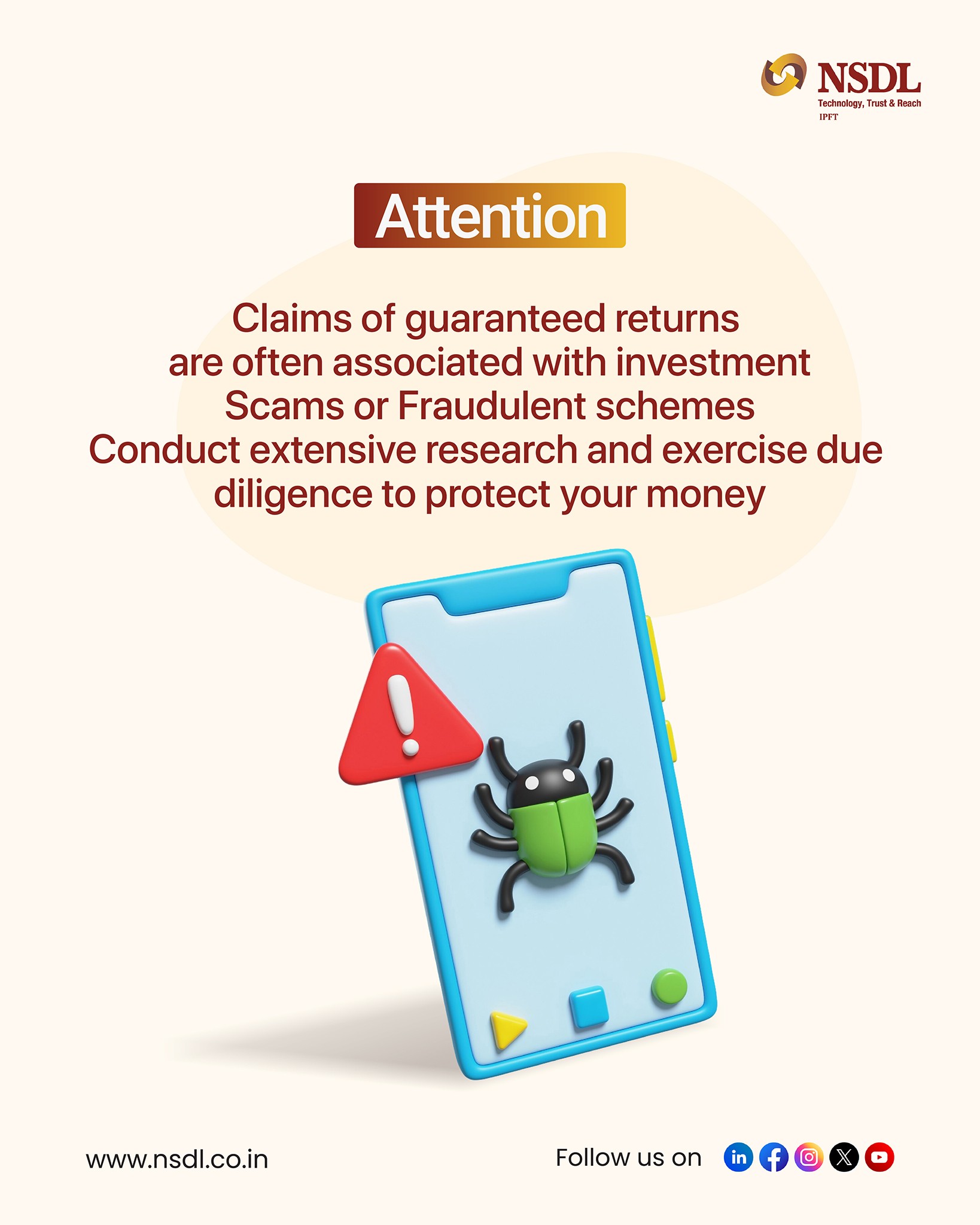
They trigger reciprocity with free signals, then upsell premium access. Authority comes from fake credentials like “ex-bank trader.” Scarcity claims limited spots amplify urgency.
Research from behavioral economists like Kahneman shows greed overrides caution when gains seem effortless. Testimonials create social proof, mimicking herd behavior.
Details include anchoring with small wins before big asks, conditioning victims.
- FOMO via real-time Telegram alerts on “explosive moves.”
- Greed through compounding promises, like 5% daily returns.
- Loss aversion flipped: “Recover losses fast” post-demo profits.
Recognize these by pausing decisions. Why do they work? Human bias favors short-term thrills over long-term math.
How Is Spotting a Forex Scam Different from Crypto Scams?
Spotting Forex scams focuses on broker regulation and trade execution transparency, unlike crypto scams emphasizing wallet security and project whitepapers.
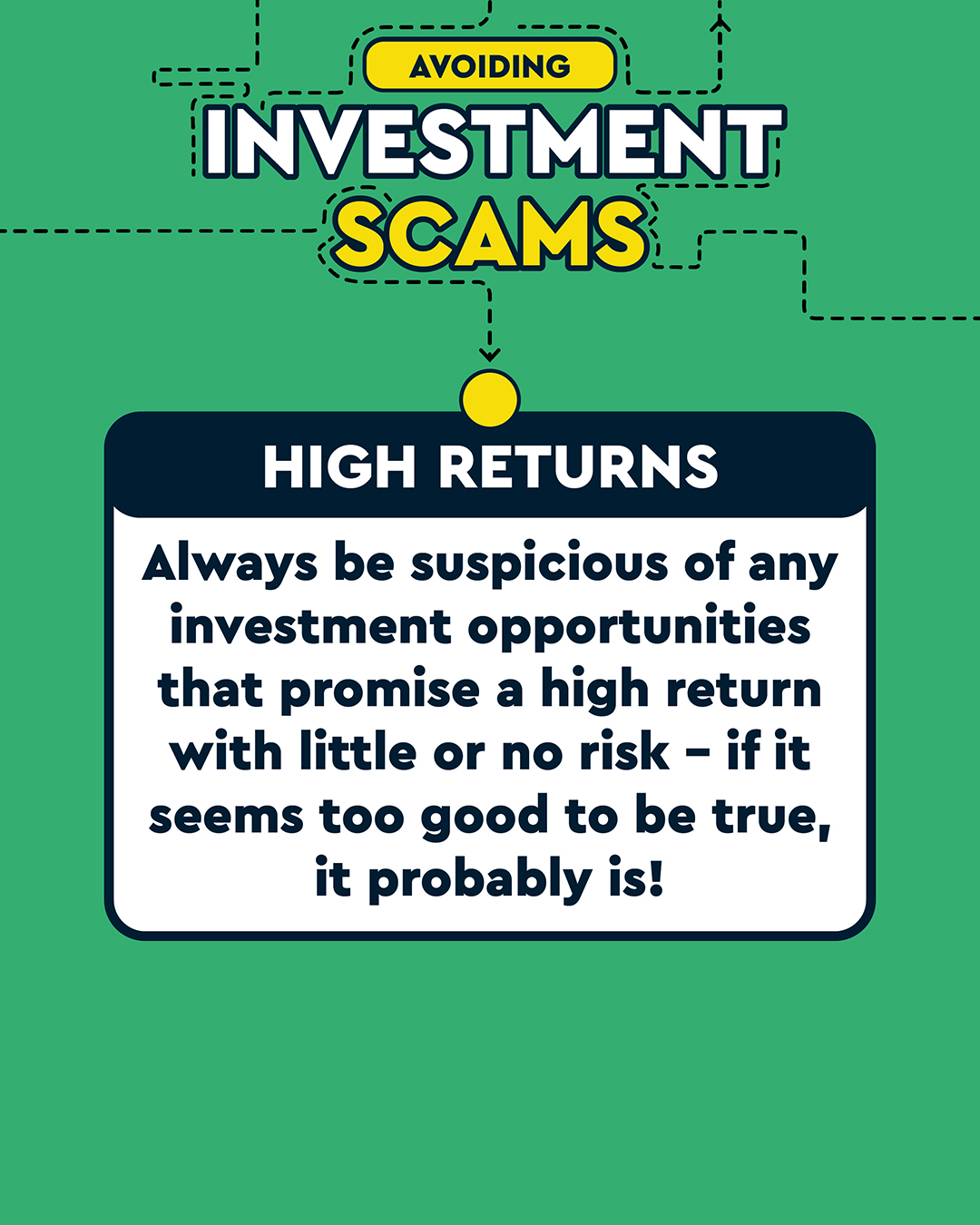
Forex red flags include unlicensed offshore brokers and guaranteed profits; crypto often involves rug pulls or fake tokens. Forex has centralized exchanges with slippage logs; crypto’s DEX anonymity hides liquidity traps.
Market-specific: Forex scams manipulate EUR/USD spreads, while crypto targets hype-driven altcoins. Recovery in Forex uses chargebacks; crypto relies on blockchain forensics.
Both share Ponzi vibes, but Forex demands leverage checks.
- Forex: Verify MT4 server logs vs. crypto’s on-chain txns.
- Crypto lacks Forex-style leverage caps, breeding unique pump-dumps.
- Forex reporting to FCA/CFTC; crypto to SEC for ICOs.
Traders adapt by using region-specific tools. Does Forex feel safer? Regulation provides clearer paths.
Can AI-Powered Forex Tools Be Scam Indicators?
Yes, AI-powered Forex tools often signal scams when they promise autopilot profits without backtested data or regulatory nods, marking emerging tech-based frauds.
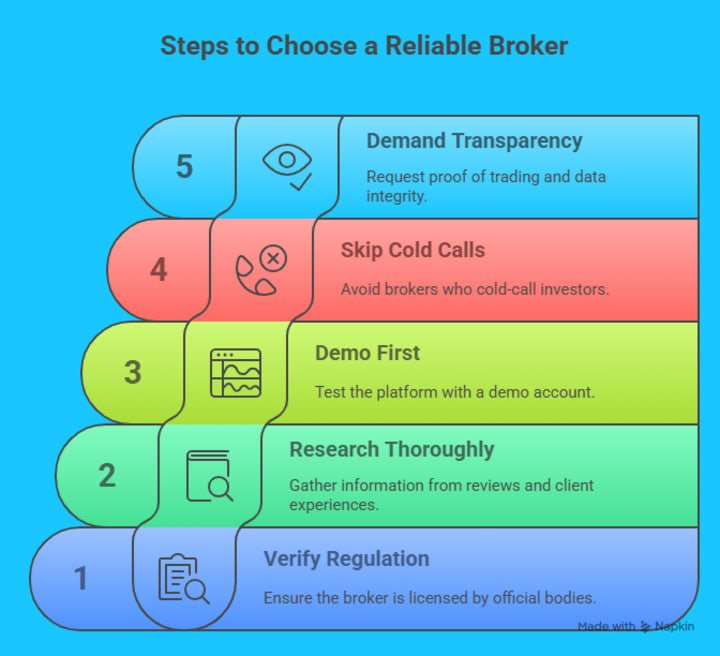
Scammers market “AI robots” on MQL5 clones, claiming 99% accuracy via neural nets. Legit ones like those from QuantConnect disclose drawdowns. Fraudulent AI hides overfitting to past data, failing live markets.
FTC warns of these as they exploit tech hype, blending bots with signal services.
- No verifiable Myfxbook stats or third-party audits.
- High subscription fees with “lifetime access” bait.
- Integration with unregulated brokers for seamless scams.
Test on demo accounts first. With AI growth, why trust unproven? Stick to open-source or regulated algos for safety.