









Blog
Social Trading in Forex: What It Is, How It Works, Platforms, Benefits, Risks, and Getting Started

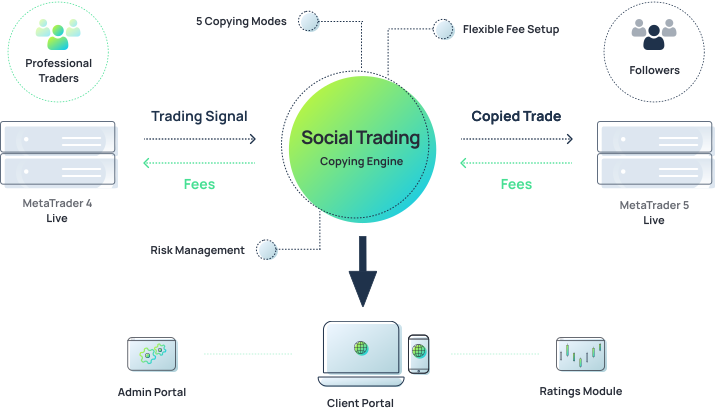
Social trading in Forex is a system where inexperienced traders copy the positions of skilled professionals directly through online platforms, making it easier to enter the market, learn strategies, and manage trades without deep expertise. This approach connects everyday users with top performers in currency pairs like EUR/USD or GBP/JPY. You select a trader to follow, and their moves replicate in your account. Platforms handle the automation, so you focus on choosing leaders rather than executing trades yourself. It levels the playing field for beginners who lack time or knowledge.
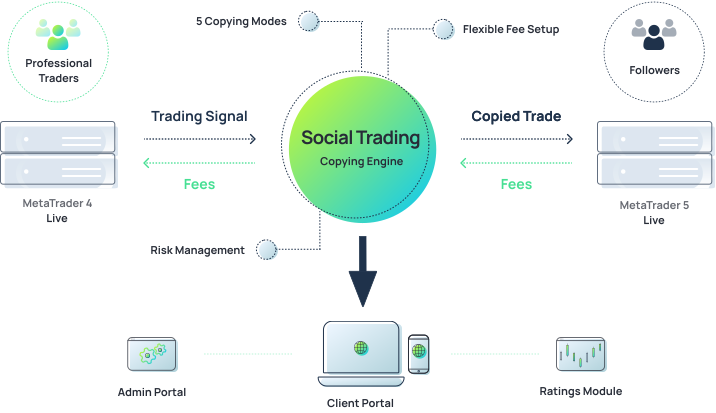
Social trading works by linking your account to a signal provider’s trades, automating copies in real-time across Forex pairs. Platforms match followers with leaders based on performance stats, such as win rates or drawdowns. You allocate funds to mirror trades proportionally, gaining exposure to strategies like scalping or swing trading.
Top platforms for social Forex trading include eToro, ZuluTrade, and Myfxbook, each with strong tools for copying trades. eToro offers a user-friendly interface with social feeds, ZuluTrade focuses on signal automation, and Myfxbook provides analytics for Forex-specific tracking.
These elements make social trading approachable, yet you need to weigh options carefully. Let’s break it down further, starting with the basics.
What Is Social Trading in Forex?
Social trading in Forex is a collaborative method that lets novice traders automatically replicate the trades of experienced professionals using specialized platforms. Specifically, this covers copy trading and signal sharing as core parts.
To understand this better, picture social trading as a community-driven tool in the Forex market, where currencies like the US dollar against the euro fluctuate daily. It originated from the rise of Web 2.0 platforms in the early 2010s, evolving from simple forums to automated systems. Key components include signal providers who share trade ideas and copy trading, where positions mirror exactly.
First, the definition hinges on transparency. Platforms display leader stats, like past returns or risk scores, so you pick based on data. For instance, a provider might specialize in Asian session volatility, sharing entries at 1.2000 on EUR/USD with stop-losses at 1.1950.
Next, root attributes stand out. Copy trading automates everything, while signal sharing lets you decide manually. Platforms act as hubs, verifying providers and ensuring fair play. Research from Finance Magnates shows over 70% of retail Forex traders now use social features for better results.
You’ll notice how it democratizes access. Beginners avoid chart analysis by following pros with verified track records. Main uses include passive income and skill-building through observation. A study by the University of Zurich found copiers often improve their own trading after months of following.
In practice, social trading blends social media interaction with real trades. You comment on leaders’ posts, ask questions, or rank them. This fosters learning, as you see reasoning behind moves like hedging during news events.
Forex’s 24/5 nature fits perfectly, with global providers covering all sessions. Unlike solo trading, it reduces emotional decisions. Platforms enforce rules, like capping copy amounts at 20% of your balance, to manage risks.
Overall, social trading transforms Forex from isolated analysis to networked strategy. It empowers users worldwide, with millions active monthly.
How Does Social Trading Work in the Forex Market?
Social trading in Forex operates through platforms that connect followers to signal providers in a 4-step process: select a leader, allocate funds, automate copies, and monitor performance for steady exposure to currency trades. Here’s the breakdown of mechanics.
Platforms like eToro bridge traders and leaders seamlessly. You browse profiles ranked by metrics such as profit factor or maximum drawdown. Once chosen, trades replicate instantly when the leader opens a position on pairs like AUD/USD.
What Are Trading Signals in Social Trading?
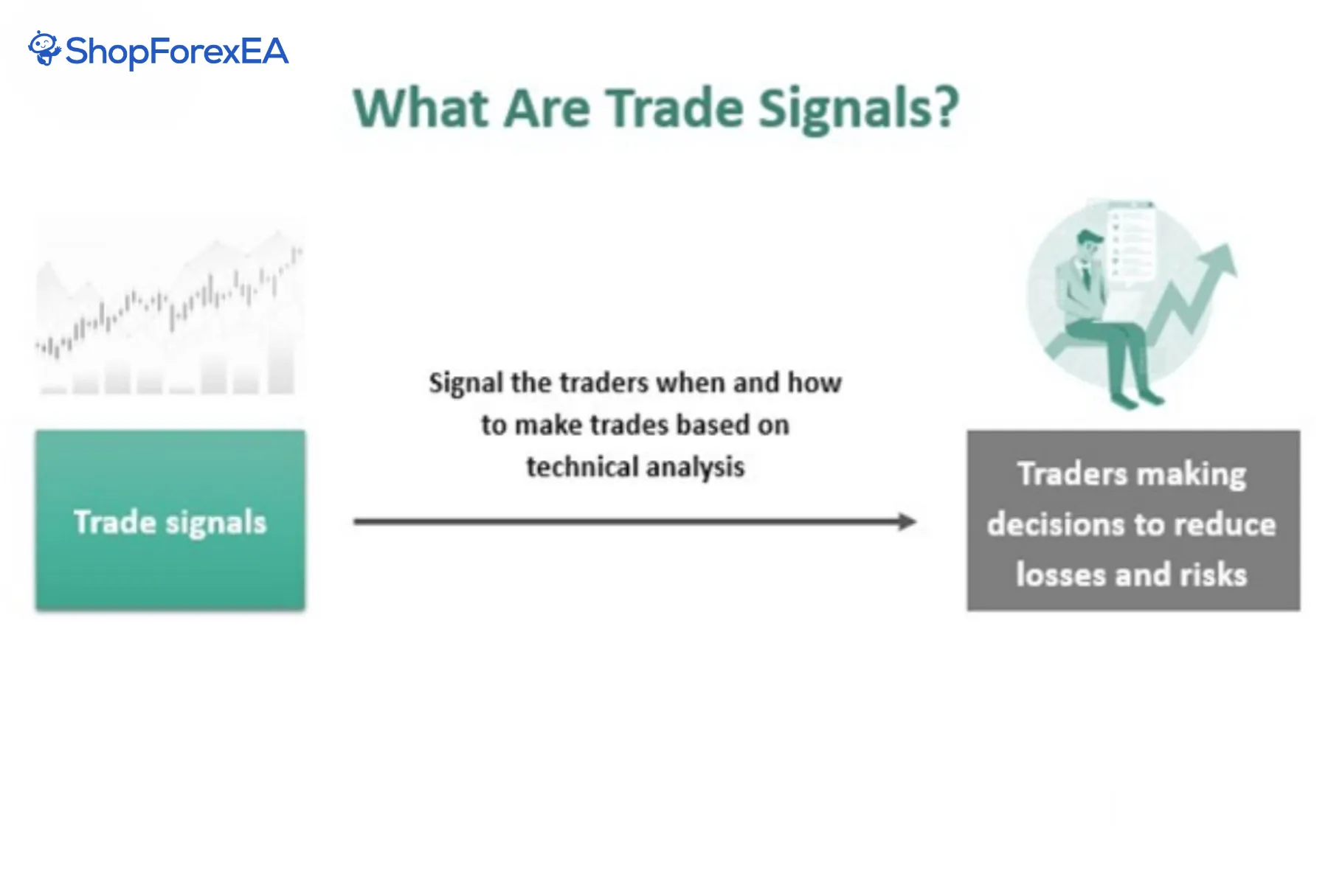
Trading signals in social Forex trading are specific recommendations from experts on currency pairs, including entry prices, stop-losses, and take-profits to guide your actions. Specifically, they come as alerts via apps or dashboards.
For example, a signal might say “Buy GBP/JPY at 185.50, target 186.20, stop at 185.00.” Providers base these on technical analysis, like RSI divergences, or fundamentals such as interest rate decisions. Platforms deliver them in real-time, often with historical accuracy rates above 60%.
Main point: Signals include detailed notes. You get rationale, like “Breakout above resistance amid UK data,” helping you learn. Evidence from ZuluTrade logs shows top signals yielding 15-20% monthly returns in volatile markets.
Another aspect: Customization. Followers adjust lot sizes or ignore signals manually. This flexibility suits different risk appetites. Myfxbook integrates signals with community voting, boosting reliability through collective input.
Finally, verification matters. Platforms audit signals for authenticity, preventing fakes. Users track via graphs, seeing win/loss ratios clearly.
How Do Copy Trading Features Function?
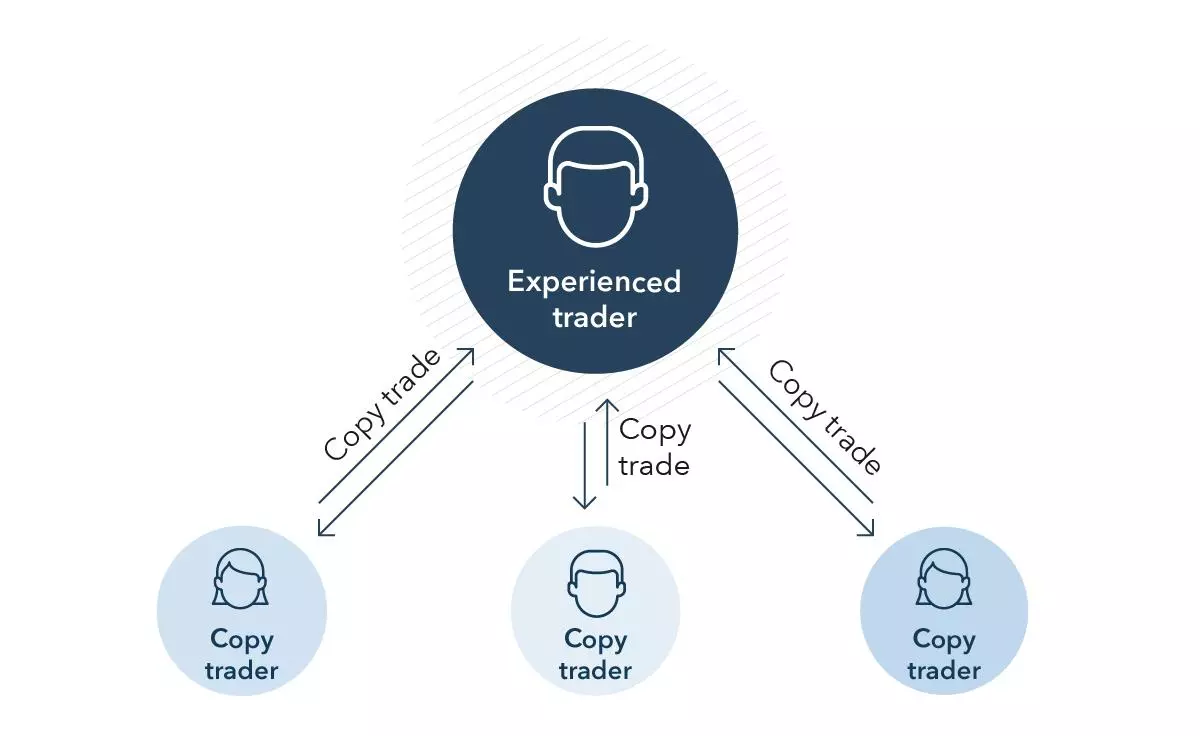
Copy trading features automatically mirror a leader’s Forex trades into your account using proportional scaling and built-in risk tools like equity stops. For instance, if a leader risks 2% on a USD/CAD short, your account does the same based on your balance.
Platforms calculate copies precisely. Tools include fixed ratio copying, where $10,000 follower mirrors $100,000 leader at 1:10 scale. Risk management adds layers: auto-stop if drawdown hits 10%, or pause during high volatility.
Evidence from eToro reports: Copiers average 8-12% annual returns following top 10% leaders. You set parameters upfront, like max trades per day, ensuring control.
In action, when a leader enters a EUR/GBP long at 0.8500, it appears in your portfolio seconds later. Fees, often spreads plus commissions, apply fairly.
This setup minimizes manual work, letting you focus on selection over execution.
The full process ensures smooth operation, with platforms handling slippage and rollovers in Forex’s leveraged environment.
What Are the Benefits of Social Trading for Forex Traders?
Social trading offers Forex traders key advantages like beginner accessibility, expert strategy access, time savings, and hands-on learning from real performance data. Let’s explore these pros in detail.
Accessibility tops the list for newcomers. Without years of chart study, you tap into pros handling major pairs like USD/JPY. Platforms provide stats, so choices feel informed, not random.
Time-saving follows closely. Traditional Forex demands constant monitoring; here, automation frees your schedule. Imagine waking to replicated overnight trades from London session pros.
Learning opportunities shine through. By following, you observe decisions, like scaling out during NFP news. Many platforms share journals, accelerating your growth. A BrokerNotes survey found 65% of users improved solo skills after six months.
Community aspects add value. Interact via feeds, share insights, or diversify across multiple leaders. This spreads risk, unlike single-strategy trading.
Performance chasing boosts returns. Top providers deliver consistent edges, with some hitting 30% yearly. Diversification across strategies, like trend-following plus scalping, stabilizes portfolios.
Transparency builds trust. Real-time stats and verified trades cut scams. Mobile apps keep you connected anywhere.
For experienced traders, becoming a leader earns fees, creating income streams. Overall, it enhances efficiency and education in Forex’s competitive space.
Rhetorical question: Why grind alone when you can leverage collective wisdom?
What Are the Risks Involved in Forex Social Trading?
Forex social trading carries risks like dependency on leader performance, amplified losses from volatility, and variable results leading to capital erosion. To understand this better, consider the cons alongside mitigation.
Dependency creates blind spots. If your chosen leader hits a losing streak, your account mirrors it. Past wins don’t guarantee futures, as markets shift.
Market volatility hits hard in Forex. Sudden events, like central bank surprises, wipe gains quickly. Copied trades expose you fully.
Leader variability adds uncertainty. Some chase high returns with reckless sizing, inflating drawdowns. Platforms show history, but over-optimization fools stats.
Fees compound issues. Spreads, commissions, and inactivity charges eat profits, especially in low-win setups.
Emotional traps persist. Seeing losses tempt stopping copies prematurely, missing rebounds.
Is Social Trading Suitable for Forex Beginners?
Social trading suits Forex beginners through easy entry and learning tools, backed by risk controls, performance transparency, and low minimums. Platforms simplify with demos and filters.

Main reason: Guided exposure. Beginners copy without deep knowledge, using stats like Sharpe ratios. For example, eToro’s demo lets you test copies risk-free.
Specifics include education. Watch trades unfold, study reasons, build intuition. ZuluTrade data shows newbies gaining 10-15% faster via observation.
Benefits: Builds confidence gradually. Set small allocations, like $100 per leader, to limit damage.
Caveats apply: Always use stops and diversify. Combine with basic learning for long-term success.
How Does Leverage Affect Social Trading Risks in Forex?
Leverage multiplies both sides in copied Forex trades. Forex leverage, often 1:30 to 1:500, amplifies losses from leader errors, turning small moves into account-threatening drawdowns. Platforms apply it proportionally.
For instance, a 1:100 levered EUR/USD trade: Leader’s 50-pip loss becomes $500 hit on $1,000 allocation. Volatility spikes, like during Brexit, exacerbate this.
Risk tools help: Equity protection halts at 20% loss. Still, over-levered leaders drag followers.
Myfxbook analysis: High-leverage copies see 25% more volatility. Beginners must cap exposure.
Monitor margin calls closely; they force closes unexpectedly.
Mitigate by choosing low-leverage leaders and small positions.
What Are the Best Platforms for Social Trading in Forex?
The best platforms for Forex social trading are eToro, ZuluTrade, and Myfxbook, chosen for features like copy tools, large user bases, and seamless currency integration. In detail, each excels in user experience.
eToro leads with 1.5 million copiers and intuitive apps. CopyPro feature ranks traders by risk-adjusted returns. Forex coverage spans 50+ pairs, with social feeds for discussions. Minimum deposit: $200. Regulated by FCA, it offers negative balance protection.
ZuluTrade specializes in signals, partnering with 60+ brokers. Auto-copy scales trades precisely, with ZuluGuard for risk filters like correlation stops. User base: 100,000+. Strong in Forex, it tracks metrics like average trade duration.
Myfxbook stands out for analytics. AutoTrade links to MT4 brokers, verifying every trade. Community of 500,000+ Forex users rates systems. Free tools like profit calculators aid selection.
Comparisons: eToro suits social butterflies, ZuluTrade automation fans, Myfxbook data nerds. All integrate leverage controls.
User bases ensure liquidity; eToro handles $10B+ monthly volume.
Start with demos. Fees: eToro spreads from 1 pip, ZuluTrade $4/lot.
These platforms make Forex social trading reliable.
How Do You Get Started with Social Trading in Forex?
Get started with Forex social trading by opening a regulated platform account in 5 steps: sign up, verify identity, fund minimally, pick leaders, and activate copying for immediate trade replication. Let’s see the onboarding process.
1. Choose a platform: Compare eToro for ease, ZuluTrade for signals. Check regulation (CySEC, FCA).
2. Create account: Enter email, password. Takes 2 minutes. Use demo first to practice.
3. Verify identity: Upload ID and proof of address. Essential for withdrawals, usually 1-2 days.
4. Deposit funds: Start with $100-500 via card or wire. Note currency to match Forex base.
5. Select providers: Filter by returns >20%, drawdown <15%. Allocate 10-20% per leader.
Platforms guide with tutorials. Diversify across 3-5 to spread risk.
Monitor via apps: Adjust stops, pause if needed.
Common pitfalls: Rushing selections or ignoring fees.
Build gradually; withdraw profits monthly.
This path turns curiosity into active trading quickly.
Advanced Questions and Comparisons in Forex Social Trading
Forex social trading advances beyond basics by addressing regulations from bodies like CySEC and FCA, performance metrics for leaders, distinctions from copy trading and robots, proven strategies, long-term viability, and key pitfalls.
In addition, these elements provide traders with tools to refine their approach in the dynamic Forex market.
What Are the Key Regulations for Social Trading Platforms in Forex?
Social trading platforms in Forex must comply with strict oversight from regulators such as CySEC in Cyprus and the FCA in the UK to protect user funds and ensure fair practices. These bodies mandate segregated client accounts, negative balance protection, and transparent reporting of trade signals. For instance, eToro, a popular platform, holds licenses from both CySEC and FCA, which require leverage caps at 30:1 for major pairs and mandatory risk disclosures.
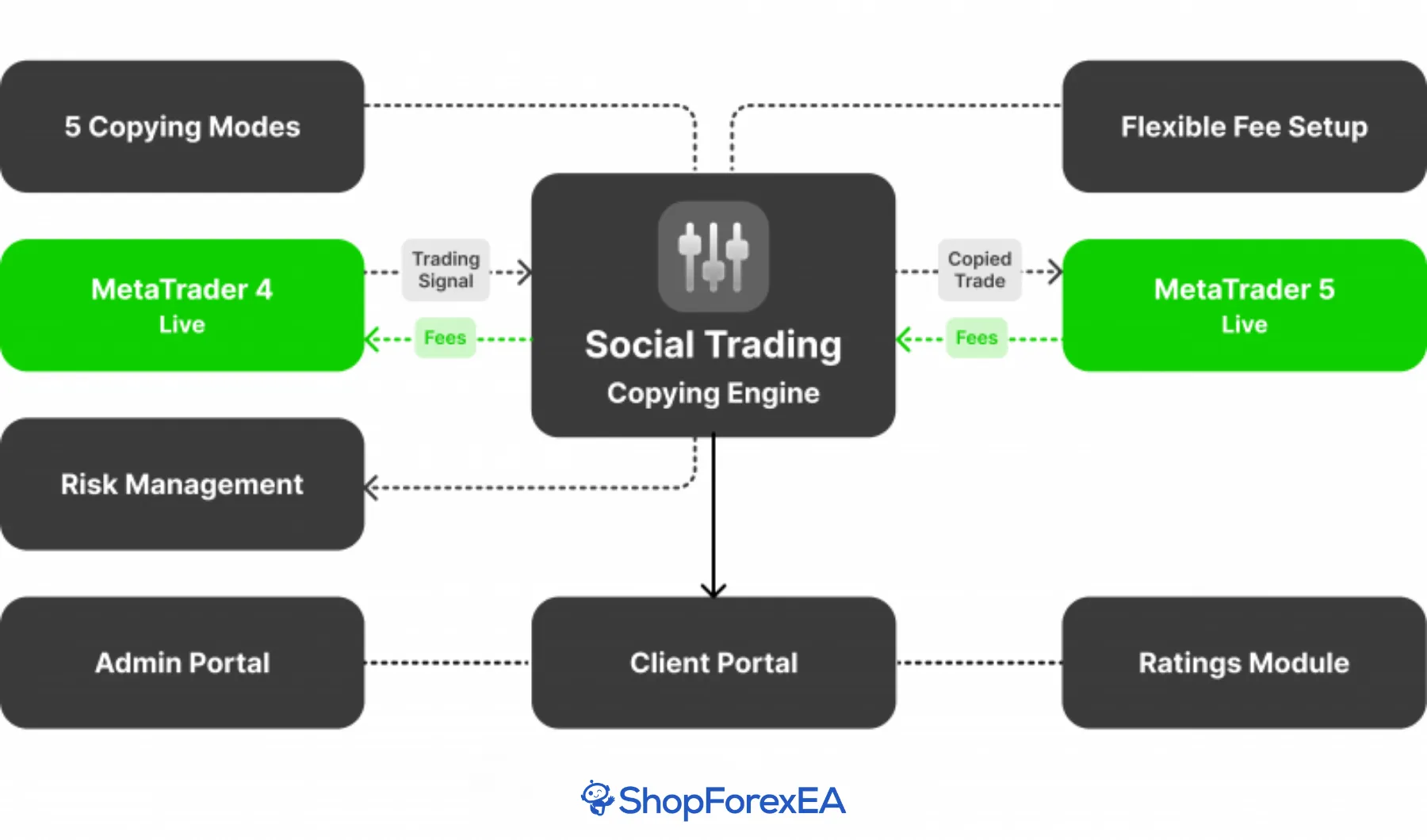
CySEC enforces MiFID II directives, demanding platforms verify user suitability through knowledge tests before allowing signal following. FCA adds leverage limits and bans bonuses to prevent aggressive marketing. Platforms like ZuluTrade also adhere to these by partnering with regulated brokers such as AvaTrade.
You’ll notice non-EU platforms often seek FCA or ASIC equivalents for credibility. Lack of regulation exposes users to withdrawal issues or manipulated signals.
Furthermore, check for Tier-1 regulation status.
- Verify license numbers on regulator websites like cysec.gov.cy.
- Review annual audits for fund safety.
- Avoid platforms without client fund insurance up to €20,000 via ICF schemes.
How Do You Evaluate the Performance of Social Trading Leaders?
Evaluate Forex social trading leaders using metrics like win rate, maximum drawdown, and the Sharpe ratio tailored to currency volatility. Win rate shows profitable trades percentage, ideally over 60%, but pair it with average profit per trade. Drawdown measures peak-to-trough losses; under 20% signals stability.
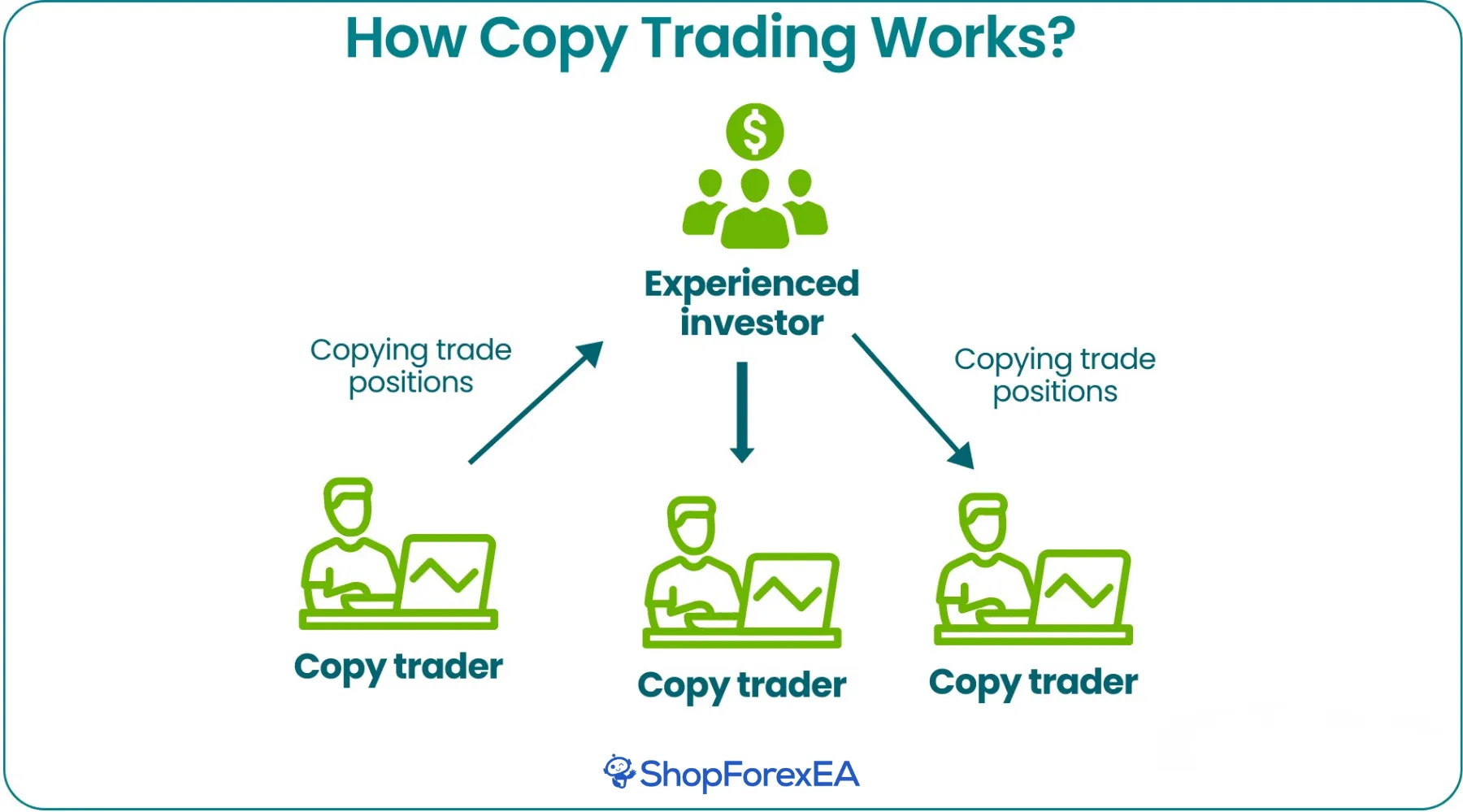
The Forex-specific Sharpe ratio adjusts for pair correlations, calculating (return – risk-free rate) divided by volatility, aiming for above 1.0. Platforms like Myfxbook provide verified stats, filtering leaders by AUM (assets under management) over $1 million.
Look at risk-adjusted returns over 12+ months, as short-term spikes mislead. Compare consistency across market conditions, like during NFP releases.
What’s more, backtest signals against historical data.
- Prioritize leaders with low correlation to your portfolio.
- Track expectancy: (win rate x avg win) – (loss rate x avg loss).
- Use tools like TradingView for independent verification.
What Is the Difference Between Social Trading and Copy Trading in Forex?
Social trading differs from copy trading in Forex by emphasizing community interaction and signal sharing, while copy trading automates exact position replication. In social trading on eToro, users discuss strategies in feeds, vote on signals, and manually follow or adapt them. Copy trading, prominent on ZuluTrade, mirrors trades proportionally without input, like allocating 10% equity to a leader’s positions.
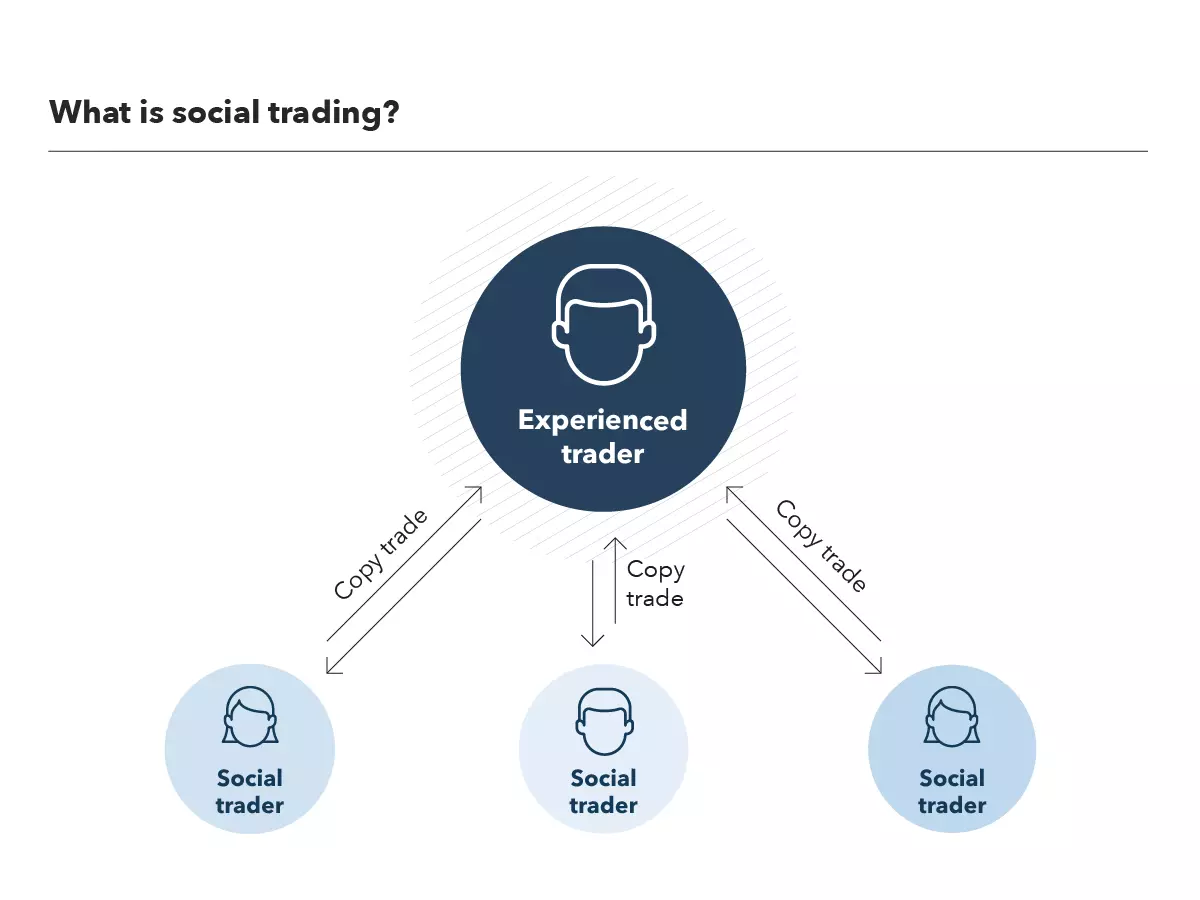
Both overlap in leader following, but social trading fosters learning through forums, whereas copy lacks that layer. Forex context amplifies this: social platforms enable pair-specific debates, like EUR/USD trends.
Copy trading suits passives, risking overexposure if leaders pivot suddenly. Social trading demands more time but builds skills.
Besides that, hybrid platforms blend both for flexibility.
- Social: Manual execution, community insights.
- Copy: Automatic, fixed ratios, less engagement.
- Forex nuance: Social aids sentiment analysis.
How Does Social Trading Compare to Automated Forex Robots?
Social trading outperforms automated Forex robots in adaptability to news events, as human leaders react intuitively unlike algorithmic EAs like Forex Fury. Robots excel in backtested consistency on MT4, executing scalps 24/7 without emotion, but falter in black swan events like Brexit volatility.
Performance data from Myfxbook shows top social traders averaging 15-25% annual returns with 15% drawdown, versus robots’ 10-20% but higher failure rates post-optimization. Reliability favors social for Forex’s fundamentals-driven swings; robots overfit historical data.
Humans incorporate geopolitics, robots stick to parameters. Costs differ: social often commission-free, robots require VPS fees.
Additionally, combine both for diversification.
- Social: Human judgment, volatile adaptation.
- Robots: Speed, emotion-free, pattern-based.
- Rare edge: Social leaders tweak for robot-like precision.
What Strategies Do Top Forex Social Traders Use?
Top Forex social traders employ niche tactics like scalping signals on low-spread pairs and news-based trades around economic releases. Scalpers on Darwinex target 5-10 pip grabs during London-New York overlap, using tight stops. News traders, like those on TradingView signals, position pre-NFP with straddle orders.

They blend technicals, such as Fibonacci retracements on GBP/JPY, with sentiment from COT reports. Rare approach: correlation trading, fading USD moves across pairs.
Consistency comes from risk rules, like 1% per trade. Platforms rank them by verified PnL.
In particular, adapt to sessions.
- Scalping: High-frequency on majors.
- News: Volatility plays post-data.
- Swing: Multi-day on fundamentals.
Is Social Trading Profitable Long-Term in Volatile Forex Markets?
Yes, social trading can be profitable long-term in volatile Forex markets with proper diversification across 5-10 uncorrelated leaders. A 2023 ESMA report notes diversified followers achieving 8-12% yearly returns, buffering drawdowns below 15%.

Volatility aids skilled traders spotting trends, but undiversified portfolios amplify losses during flash crashes. Success hinges on low-fee platforms and periodic rebalancing.
Research from BrokerNotes shows 40% of long-term users profitable versus 20% solo traders.
Moreover, monitor macro shifts.
- Diversify pairs and styles.
- Set equity caps per leader.
- Review quarterly performance.
What Are Common Mistakes to Avoid in Forex Social Trading?
Common mistakes in Forex social trading include over-reliance on one leader and ignoring correlation risks between signals. Followers often allocate 50%+ to a hot streak trader, ignoring drawdown history, leading to 30%+ losses.
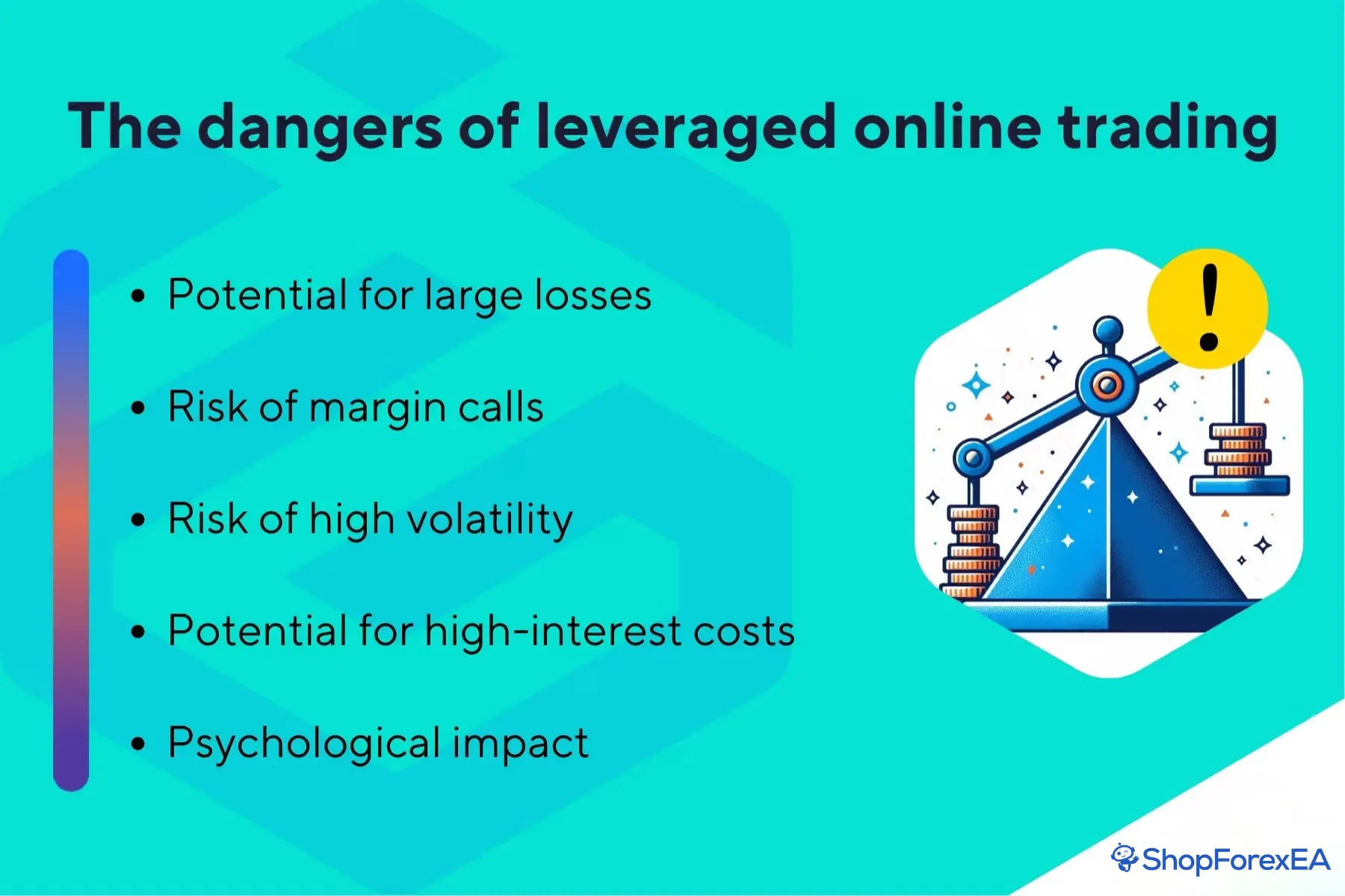
Correlation pitfalls: Copying multiple USD bulls crashes portfolios during Fed hikes. Another error: Neglecting fees, where spreads eat 2-3% yearly.
Chasing high win rates overlooks expectancy. Start small, diversify early.
Especially, audit regularly.
- Avoid single-leader dependency.
- Check inter-signal correlations via MT5 tools.
- Ignore unverified offshore platforms.