









Blog
1 Minute Scalping Strategy: Forex Rules, Indicators, and Setup Guide


The 1-minute scalping strategy is a high-frequency Forex trading approach that uses 1-minute charts, key indicators like 50/200 EMA, RSI, and Stochastic, along with strict entry, exit, and risk rules to capture small pip gains multiple times per session. This method focuses on rapid trades during high-volatility periods, such as the London-New York overlap. Traders aim for 5-10 pips per trade with tight stops, relying on confluence from moving averages for trend direction, momentum oscillators for timing, and price action for confirmation. You set up on major pairs like EUR/USD or GBP/USD with a low-spread broker for fast execution.
Core indicators include the 50/200 EMA crossover for trend, RSI at 14 periods with 70/30 levels for overbought/oversold, and Stochastic for momentum shifts. These tools work together on the M1 timeframe to spot quick reversals or continuations. For example, a bullish EMA cross paired with RSI rising above 50 signals buys, while the opposite confirms sells.
Entry signals combine EMA direction, RSI momentum above or below 50, and candlestick patterns like pin bars or engulfing candles. Exits use fixed 5-8 pip take-profits and 5-pip stops, or trailing stops in strong trends. This setup demands discipline to hit 70% win rates through high volume.
Ready to apply this? The sections below break down every step, from definition to profitability, so you can test it on a demo account today.
What Is a 1 Minute Scalping Strategy?
A 1-minute scalping strategy is high-frequency Forex trading on 1-minute charts that targets quick 5-10 pip profits through rapid entries and exits using indicators and price action. Specifically, let’s explore its foundations. This approach suits active traders who thrive in fast markets.
Why Use 1 Minute Charts for Scalping in Forex?
The shortest timeframes like M1 let you capture tiny price swings that add up over dozens of trades. High volatility on 1-minute charts provides frequent setups during peak sessions, allowing 20-50 trades per hour. For instance, news releases or session opens spike movement, unlike higher timeframes where signals lag.

You’ll notice how M1 charts show micro-trends ignored on H1 or H4. This means more opportunities, but also noise, so filters like EMAs smooth it out. Data from brokers like IC Markets shows scalpers on majors average 1-2% daily returns in volatile conditions.
Another point: multiple trades compound wins. If you risk 1% per trade at 1:1 reward, 30 wins from 40 trades nets steady growth. Think about it, would you rather wait hours for one H4 signal or grab pips every few minutes?
What Are the Core Principles of Scalping?
Scalping relies on rapid entries and exits within seconds to minutes, small 5-10 pip targets, tight 1:1 or 1:2 risk-reward, and high daily volume of 20+ trades. Core to this is discipline over big wins.
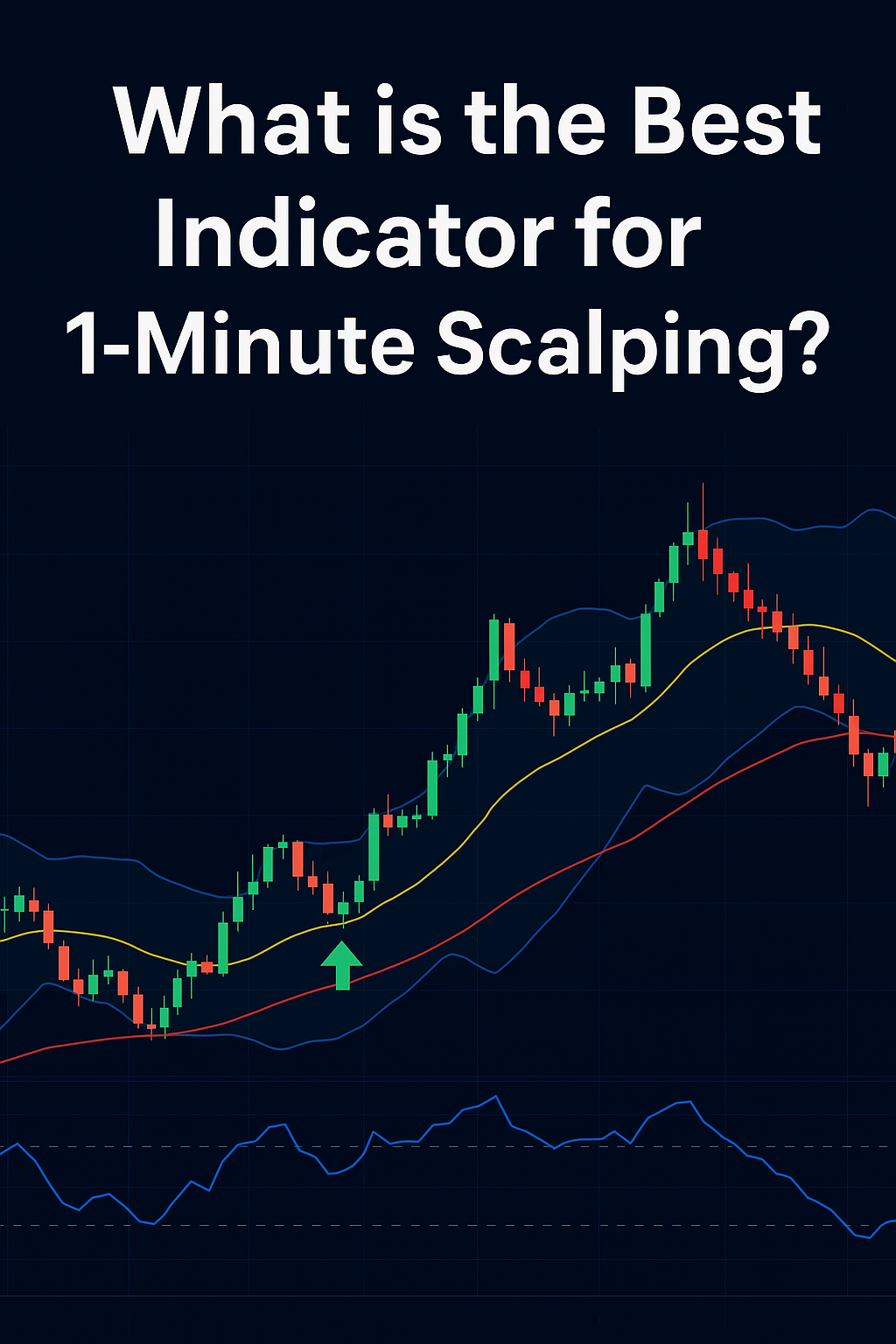
First, speed matters. You enter on confluence and exit fast to avoid reversals. Platforms with one-click trading, like MT4 or MT5 from Pepperstone, handle this.
Second, volume beats size. A 70% win rate on tiny targets outperforms holding losers. Studies from Myfxbook track scalpers achieving 5-15% monthly with 100+ trades.
Third, risk control. Never risk over 1% per trade. This principle keeps drawdowns low, say under 5%, even in strings of losses.
In practice, you scan for setups every minute, trade only A+ signals, and log results. Over time, this builds edge through repetition.
This strategy demands screen time, but rewards patience with consistent income.
What Timeframe and Chart Setup Is Required for 1 Minute Scalping?
Use the M1 candlestick chart on MT4 or MT5, with major pairs during London-NY overlap, clean layout, and fast broker for sub-1-second execution. In detail, here’s the breakdown for optimal setup.
Which Forex Pairs Work Best for 1 Minute Scalping?
Majors with tight spreads shine here. EUR/USD, GBP/USD, USD/JPY, and AUD/USD top the list due to high liquidity, low spreads under 0.5 pips, and frequent volatility. These pairs move 50-100 pips daily, perfect for scalps.

EUR/USD leads with 24/7 volume over $1 trillion. GBP/USD adds spikes from UK data. USD/JPY suits Asian sessions with clean trends.
Avoid exotics like USD/TRY; their wide spreads eat profits. Check broker stats: on FP Markets, EUR/USD averages 0.1 pip spread in peaks.
For example, during 8-12 GMT overlap, these pairs form 10-20 setups hourly. Pair this with news calendars to dodge spikes.
How Do You Prepare Your Trading Platform?
Start with a scalper-friendly broker. Select ECN brokers like IC Markets or Pepperstone offering spreads from 0.0 pips, leverage 1:500, and VPS for no latency. Install MT4/MT5, apply scalping EA if allowed.
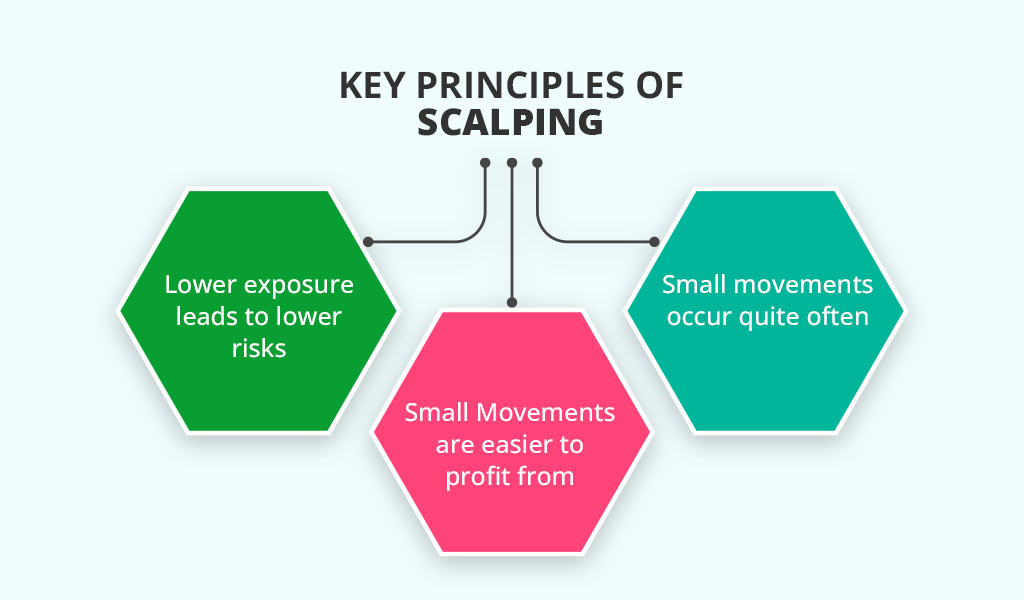
Customize charts: black background, 1-minute timeframe, grid off for clarity. Add vertical lines for sessions.
Key settings: one-click trading enabled, sound alerts for signals. Demo test 100 trades first.
Execution speed under 50ms prevents slippage. Use 0.01 lots initially, scaling with account size.
Test in live conditions: open demo during overlap, note fills. This prep ensures smooth scalping.
With setup ready, focus shifts to indicators for signals.
What Are the Best Indicators for 1 Minute Scalping?
The top indicators are 50/200 EMA for trend, RSI (14) for momentum, and Stochastic (5,3,3) for overbought/oversold confluence. To understand this better, let’s see how they integrate.
How Does the 50/200 EMA Crossover Work in Scalping?
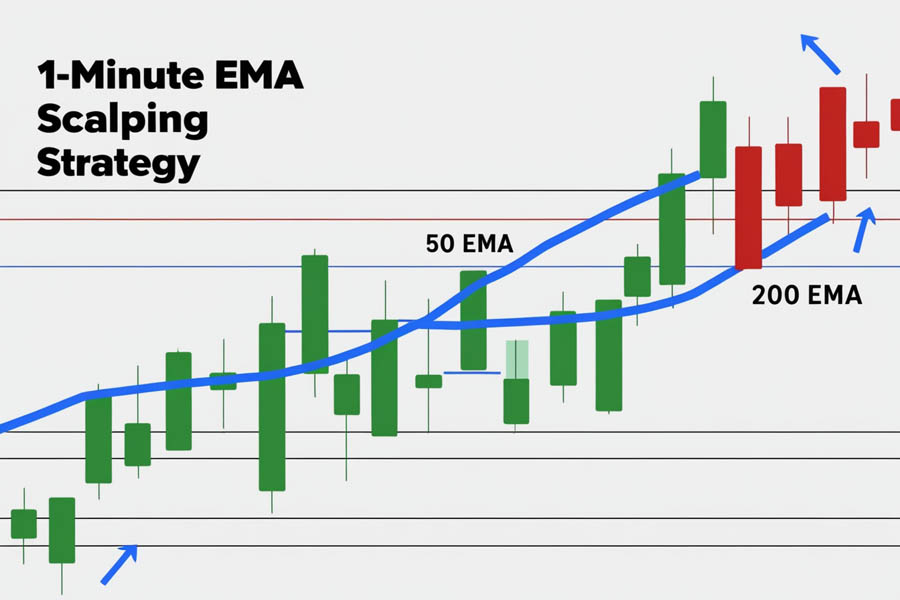
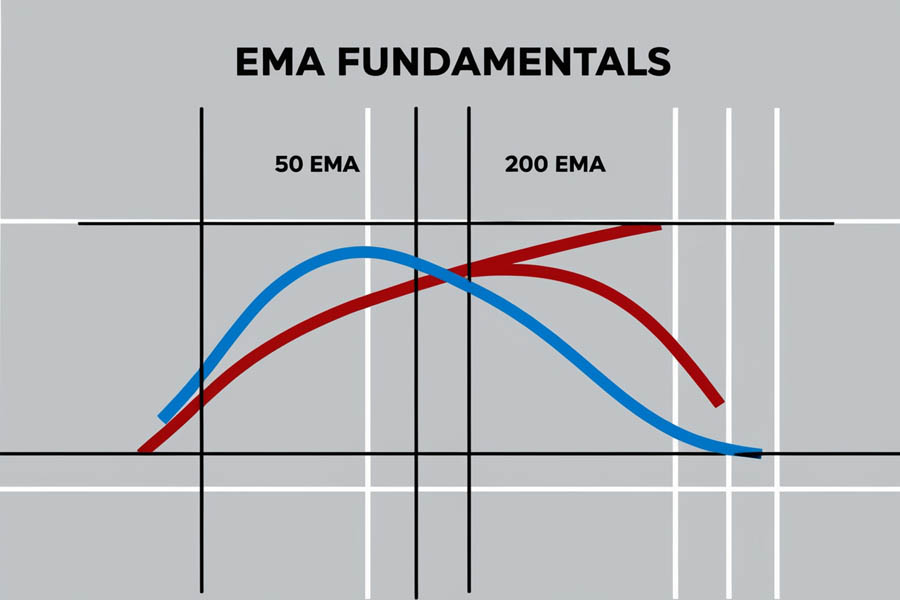
The 50 EMA crossing above the 200 EMA signals bullish trend for buys, reverse for sells on M1 charts. This filters noise, confirming direction before entries.

The 50-period EMA reacts faster to price, while 200 anchors the broader trend. A golden cross (50>200) means uptrend; death cross opposite.
On EUR/USD M1, crosses happen 5-10 times per session. Wait for pullback to 50 EMA post-cross for entry.
Combine with price above both for longs. Backtests on TradingView show 65% accuracy in trends.
For instance, if price respects the 200 EMA as support, it strengthens setups. Adjust periods if market chops.
What RSI Settings Optimize 1 Minute Entries?
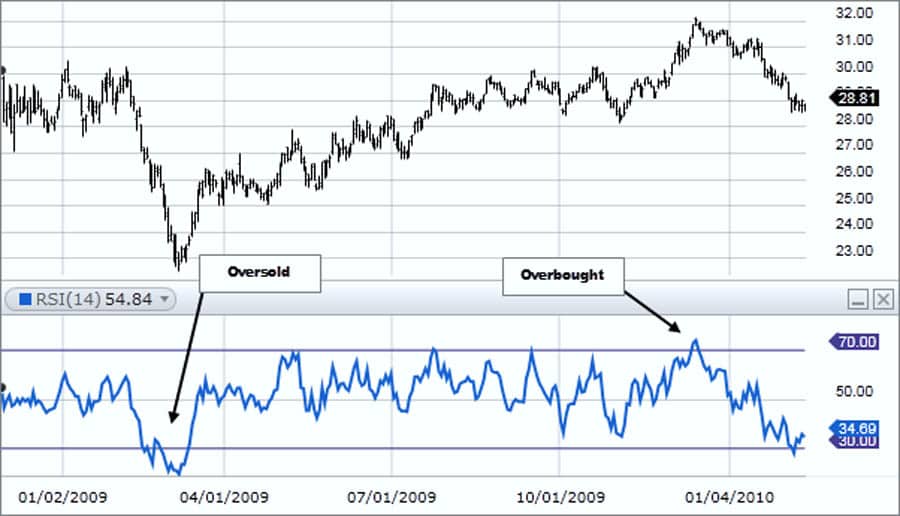
Set RSI to 14 periods with 70/30 levels: above 70 signals overbought sells, below 30 oversold buys, but use >50 for bullish confirmation. This spots momentum shifts precisely.

On M1, default 14 catches quick divergences. Rising RSI from 40-60 confirms EMA buys.
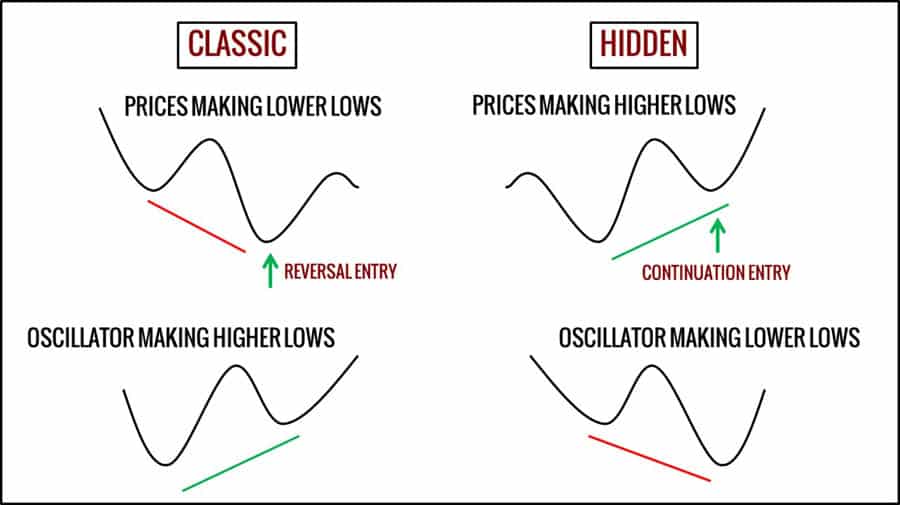
Avoid standalone; pair with Stochastic. Divergence, like price highs but RSI lowers, predicts reversals.
Forex Factory forums note 72% win boost with RSI filter. Example: RSI bounces from 30 on bullish EMA equals strong buy.
Tweak to 80/20 in ranges for fewer false signals. Track via journal for personalization.
These tools create reliable confluence.
How Do You Identify Entry Signals in 1 Minute Scalping?
Identify entries through confluence of 50/200 EMA trend, RSI >50 or <50, and candlestick confirmation like engulfing patterns on M1. Here’s the breakdown for precise timing.
What Confirms a Buy Signal?
A buy signal confirms when 50 EMA crosses above 200, RSI rises above 50, and a bullish engulfing or hammer forms at support. This triple check boosts accuracy.

First, EMA cross sets trend. Price must pull back to 50 EMA without breaking 200.
Second, RSI crossing 50 from below shows buying pressure. Aim for 55-65 to avoid overextension.
Third, candlesticks: hammer rejects lows, engulfing swallows prior bear candle.
On GBP/USD, this hits 75% during overlap. Enter on close, target 8 pips.
Volume spike or Stochastic cross adds weight. Skip if news looms.
What Confirms a Sell Signal?
Sell when 50 EMA crosses below 200, RSI drops below 50, and bearish pin bar or engulfing rejects highs. Mirror the buy for symmetry.
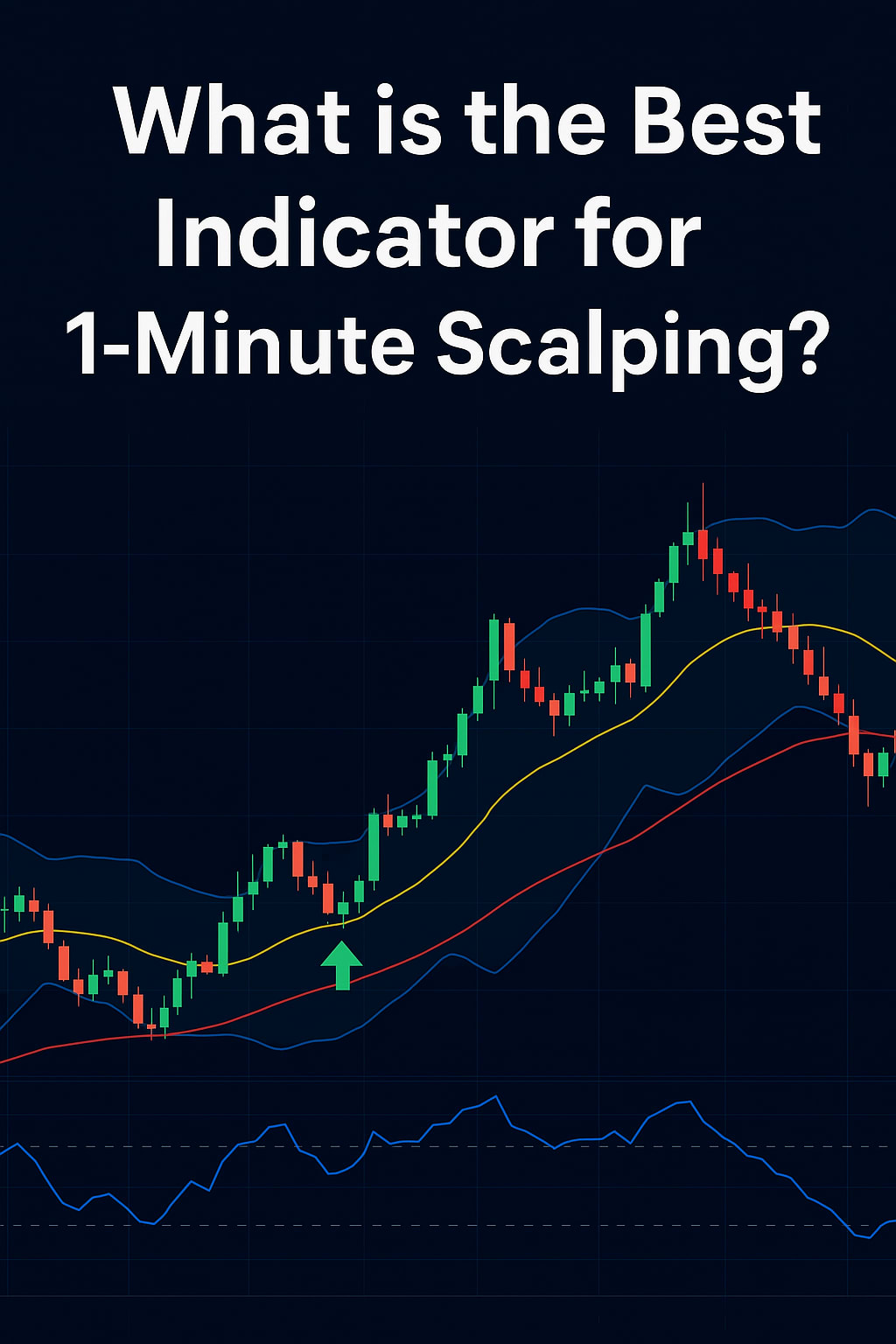
Death cross first, then price tests 50 EMA resistance.
RSI <45 signals weakness. Look for divergence: price up, RSI down.
Candles like shooting star confirm rejection.
USD/JPY examples show quick 6-pip drops. Always check higher timeframe alignment.
Practice spotting 10 daily to sharpen eyes.
What Are the Exit, Take-Profit, and Stop-Loss Rules?
Exit with 5-8 pip take-profits, 5-pip stops beyond swing points, or trail using 50 EMA in trends via four-step process. Let’s explore the mechanics.
How Many Pips Should You Target Per Trade?
Target 5-8 pips per trade with 1:1 or 1:2 risk-reward, scaling to account volatility. Fixed targets keep it simple on M1.
For EUR/USD, 5 pips suits tight ranges; 8 for trends. 1:1 means 5-pip SL, 5-pip TP.
1:2 risks 5 for 10 reward in momentum. Adjust per pair: GBP/USD allows 10 due to moves.
Myfxbook data: 1:1.5 averages 12% monthly at 70% wins.
Set alerts at levels. Partial close half at 4 pips, rest trails.
When Should You Cut Losses in Scalping?
Cut losses immediately if price hits 5 pips beyond recent swing high/low or indicator invalidates. Tight SL preserves capital.
Place SL 2-3 pips past candle wick. For buys, below hammer low.
If EMA flips against, exit early. No hope trades.
In chop, 3-pip SL. Track hit rate; aim under 30% losses.
Discipline here separates pros. Review charts post-trade.
Is 1 Minute Scalping Profitable and Suitable for Beginners?
Yes, 1-minute scalping can be profitable with 70%+ win rates and proper risk, but beginners need demo practice due to speed and psychology demands. Specifically, profitability hinges on factors like sessions and discipline.
London-NY overlap (8-12 GMT) yields best volatility on majors. Backtests show 2-5% daily possible.
High volume: 30 trades/day at 1% risk compounds fast. But slippage or emotions kill edges.
For newbies, start demo 1 month, then micro lots. Screen time builds pattern recognition.
Costs matter: commissions under $7/lot round-turn. Track expectancy: (win% avg win) – (loss% avg loss) >0.
Real accounts from FTMO challenges prove 10% monthly feasible. Master rules first, then scale.
Advanced Questions and Comparisons for 1 Minute Scalping Strategy
Mastering 1-minute scalping requires addressing overtrading pitfalls, psychological discipline, broker selection, backtesting rigor, news avoidance, and EA feasibility alongside comparisons to longer timeframes.
Furthermore, these advanced considerations sharpen strategy execution and boost profitability.
What Are Common Mistakes in 1 Minute Scalping?
Traders often fall into traps like overtrading and ignoring news events, which erode profits in this fast-paced approach. Overtrading happens when scalpers chase every minor price wiggle, leading to excessive commissions and slippage that wipe out small gains. For instance, entering 50 trades per session without strict rules results in fatigue and poor decisions. Ignoring news events amplifies this, as sudden volatility from releases like Non-Farm Payrolls (NFP) creates whipsaws that hit stops instantly.

You’ll notice how these errors compound in low timeframes. Without a clear entry-exit plan, traders hold losers too long, hoping for reversals, which contradicts scalping’s quick-profit ethos. Another issue stems from inadequate risk management, such as risking more than 1% per trade, turning a winning edge into account drawdowns.
To counter this, set daily trade limits and use a checklist before entries.
- Review session volume to avoid low-liquidity overtrading
- Check economic calendars 30 minutes before major news
- Log trades post-session to spot pattern repeats in mistakes
How Does 1 Minute Scalping Compare to 5 Minute Scalping?
1-minute scalping offers faster entries with higher trade frequency but suffers more noise, while 5-minute scalping reduces false signals through smoother trends. Speed in 1-minute charts captures micro-movements ideal for 5-10 pip targets, yet random fluctuations trigger premature exits. In contrast, 5-minute charts filter noise, allowing 15-30 pip aims with fewer trades daily.

Think about trade volume: 1-minute might yield 20-30 setups per hour in EUR/USD, versus 5-10 on 5-minute frames. This intensity suits active traders but demands superior execution. Backtested data from platforms like TradingView shows 1-minute strategies with 60% win rates drop to 55% due to spreads, while 5-minute holds steadier at 65%.
Choose based on style: high-energy for 1-minute, patient for 5-minute.
- 1-minute excels in ranging markets, 5-minute in trends
- Noise ratio higher by 30-40% in 1-minute per MT4 tests
- Commission impact doubles in 1-minute from more trades
What Psychological Challenges Come with Ultra-Short Scalping?
Ultra-short scalping tests discipline in high-frequency trading, where rapid decisions fuel emotional strain like fear of missing out (FOMO) and revenge trading after losses. Each 1-minute candle demands instant action, amplifying stress hormones that cloud judgment. Traders battle impatience, entering without confirmation, or hesitation that misses moves.
Research from trading psychology studies, such as those by Brett Steenbarger, highlights how micro-trades shorten attention spans, leading to tilt after three consecutive losses. Maintaining a 1:1.5 risk-reward holds tough amid constant screen watching, fostering addiction-like behaviors.
Build resilience through routines like meditation breaks.
- FOMO drives 70% of overtrading per trader surveys
- High-frequency pace erodes focus after 2 hours
- Journal emotions per trade to track discipline lapses
Which Brokers Are Ideal for 1 Minute Forex Scalping?
Low-spread ECN brokers like IC Markets, Pepperstone, and FP Markets suit 1-minute forex scalping best due to tight spreads and fast execution. These providers offer raw spreads from 0.0 pips on majors like EUR/USD, crucial for capturing tiny profits without erosion. ECN models route orders directly to liquidity pools, minimizing requotes common in market makers.
IC Markets stands out with 1ms latency on NY servers and no restrictions on scalping styles. Pepperstone adds robust VPS hosting for low ping, while FP Markets provides deep liquidity from top banks. Avoid high-spread dealers, as 2-pip averages double costs on 5-pip targets.
Test demos first for slippage in live conditions.
- IC Markets: 0.1 pip average, MT5 support
- Pepperstone: cTrader platform for ultra-speed
- FP Markets: Zero commissions on standard accounts
How Do You Backtest a 1 Minute Scalping Strategy?
Backtesting uses historical data testing methods like MT4/5 Strategy Tester with 99% tick quality data from sources such as Dukascopy. Import M1 data for your indicators, like EMA crossovers, then run optimizations over 6-12 months of EUR/USD history. Focus on metrics: profit factor above 1.2, drawdown under 10%.

Manual walkthroughs on replay tools like Forex Tester reveal execution nuances missed in automation. Account for spreads by adding 0.5-1 pip buffer.
Refine with walk-forward analysis to mimic live adaptation.
- Source tick data from Tick Data Suite for accuracy
- Optimize parameters sparingly to avoid curve-fitting
- Validate on out-of-sample data for 3 months minimum
What News Events Disrupt 1 Minute Scalping?
Volatility spikes from economic releases like NFP, FOMC decisions, and GDP data disrupt 1-minute scalping most. NFP at 8:30 AM ET spikes EUR/USD by 50-100 pips in seconds, invalidating technical setups. FOMC announcements alter sentiment instantly, while GDP surprises fuel trends that whipsaw scalps.
These events widen spreads threefold and increase slippage. Pause trading 15 minutes before and after high-impact releases per Forex Factory calendar.
Rhetorical question: Why risk when one spike erases a day’s gains?
- NFP: Monthly jobs data, highest volatility
- FOMC: Rate decisions, twice monthly
- GDP: Quarterly growth, trend starters
Can 1 Minute Scalping Be Automated with EAs?
Yes, 1-minute scalping automates well with EAs on MT4/5, but consider latency, slippage, and broker rules for reliable bots. Code EAs using MQL for rules like RSI divergences plus Bollinger squeezes. Platforms like MQL5 Market offer pre-built scalpers, customizable for pairs like GBP/USD.
Challenges include VPS necessity for 24/7 runs and forward-testing on demo accounts. Slippage in live markets halves backtested edges without ECN brokers.
Monitor for over-optimization quarterly.
- Use low-latency VPS from BeeksFX
- Test EAs on cent accounts first
- Include news filters via FFCal indicator