









Blog
Day Trading Forex: Your Complete Guide to Short-Term Currency Trading


Day trading forex means buying and selling currencies within the same trading day. You close all your positions before the market closes, so you never hold trades overnight. This approach lets you profit from small price movements throughout the day.
Think of day trading like surfing waves at the beach. Each wave represents a trading opportunity. You ride the wave (make a trade), then paddle back out before the next one comes. You don’t stay in the water overnight – you go home when the sun sets.
What Is Day Trading in Forex?
Day trading forex involves opening and closing currency positions within a single trading session. Unlike swing traders who hold positions for days or weeks, you complete all trades before 5 PM EST when the forex market closes for the day.
The forex market (foreign exchange market) is where people trade currencies. It’s the world’s largest financial market, with over $7 trillion traded daily according to the Bank for International Settlements.
Here’s what makes day trading different from other trading styles:
- **Time frame**: All trades happen within one day
- **Number of trades**: You might make 5-20 trades per day
- **Profit targets**: You aim for small gains of 10-50 pips per trade
- **Risk management**: You use tight stop losses to limit losses
- **Market monitoring**: You watch charts actively throughout the day
How Day Trading Forex Works
Day trading forex follows a specific process. You start by analyzing the market in the morning, looking for trading opportunities based on your strategy. Then you execute trades throughout the day and close everything before the market closes.
A pip (percentage in point) is the smallest price move in forex. For most currency pairs, one pip equals 0.0001. If EUR/USD moves from 1.0850 to 1.0851, that’s a one-pip movement.
The Daily Trading Process
Your typical day trading routine looks like this:
- **Pre-market analysis** (30-60 minutes before market open)
- **Identify key support and resistance levels**
- **Set up your trading workspace**
- **Execute trades based on your strategy**
- **Monitor and manage open positions**
- **Close all trades before market close**
- **Review your trading performance**
Professional day traders often focus on major currency pairs like EUR/USD, GBP/USD, and USD/JPY because they have the highest liquidity. Liquidity means how easily you can buy or sell without affecting the price.
Essential Tools for Day Trading Forex
You need specific tools to day trade forex successfully. Think of these as your trading toolkit – just like a carpenter needs a hammer and saw, you need the right trading tools.

Trading Platform
Your trading platform is where you execute trades. Popular platforms include MetaTrader 4, MetaTrader 5, and cTrader. These platforms provide:
- Real-time price charts
- Technical analysis tools
- One-click trading features
- Risk management tools
- Trading history records
Economic Calendar
An economic calendar shows upcoming news events that might affect currency prices. Major events include interest rate decisions, employment reports, and GDP releases. You can find free economic calendars on Forex Factory or Investing.com.
Technical Indicators
Day traders rely heavily on technical indicators to make trading decisions. Common indicators include:
| Indicator | What It Shows | How Day Traders Use It |
|---|---|---|
| Moving Averages | Average price over time | Identify trend direction |
| RSI | Overbought/oversold levels | Find reversal points |
| MACD | Momentum changes | Spot trend changes early |
| Bollinger Bands | Price volatility | Find breakout opportunities |
Popular Day Trading Strategies
Successful day traders don’t trade randomly. They follow specific strategies that have proven profitable over time. Let’s explore the most effective approaches.
Scalping Strategy
Scalping involves making many quick trades for small profits. You might hold positions for just 1-5 minutes, aiming for 5-10 pips per trade. This strategy requires intense focus and quick decision-making.
Here’s how scalping works in practice:
“I watch the 1-minute chart for EUR/USD. When price bounces off support with increasing volume, I buy. I set my take profit at 5 pips and stop loss at 3 pips. Win or lose, I’m out of the trade within minutes.” – Example from a professional scalper
Breakout Trading
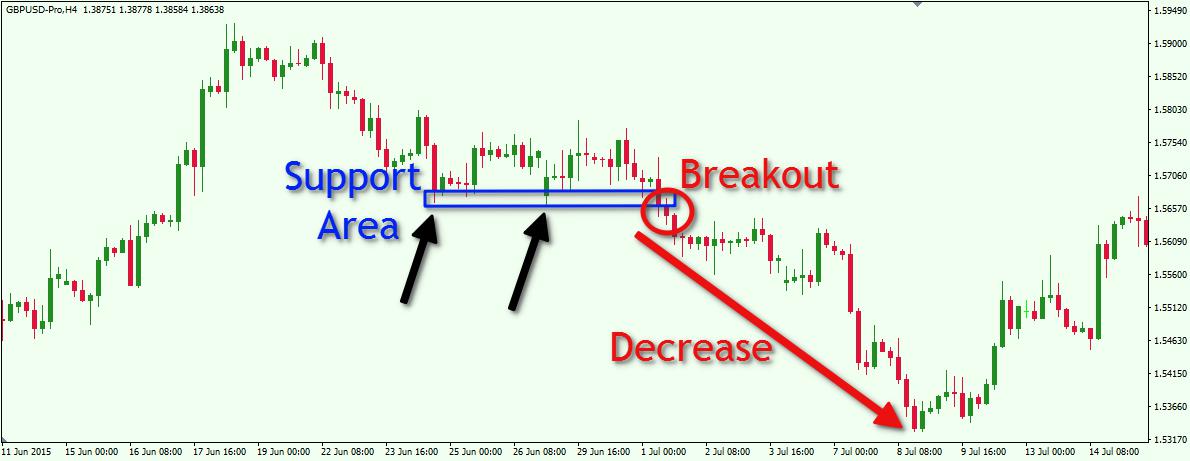
Breakout trading focuses on price movements through key levels. When price breaks above resistance (a price level where selling pressure stops upward movement) or below support (where buying pressure stops downward movement), you enter a trade in that direction.
News Trading
News traders capitalize on market volatility during economic announcements. According to BabyPips, major news events can cause price movements of 50-200 pips within minutes.
Risk Management for Day Traders
Risk management separates successful day traders from those who blow up their accounts. You must protect your capital above all else.
The 1% Rule
Never risk more than 1% of your account on a single trade. If you have a $10,000 account, your maximum risk per trade is $100. This rule ensures you can survive losing streaks.
Stop Loss Orders
A stop loss order automatically closes your trade at a predetermined loss level. Always set your stop loss before entering a trade. This removes emotion from your exit decisions.
Risk-Reward Ratios
Aim for a minimum 1:2 risk-reward ratio. This means if you risk $100, your profit target should be at least $200. Even with a 50% win rate, you’ll be profitable using this approach.
Common Day Trading Mistakes to Avoid
New day traders often make costly mistakes. Learning from others’ errors helps you avoid losing money unnecessarily.
- **Overtrading**: Making too many trades dilutes your edge
- **Revenge trading**: Trying to recover losses with aggressive trades
- **Ignoring stop losses**: Hoping losing trades will turn around
- **Trading without a plan**: Making impulsive decisions
- **Using too much leverage**: Amplifying both gains and losses
Building Your Day Trading Skills
Becoming a profitable day trader takes time and practice. Start with a demo account to test strategies without risking real money. Most brokers offer free demo accounts with virtual funds.
Education Resources
Invest in your trading education through:
- Online courses from reputable educators
- Trading books by successful traders
- Webinars and YouTube tutorials
- Trading forums and communities
- Mentorship programs
The Investopedia Forex Trading Guide offers comprehensive free education for beginners.
Practice and Patience
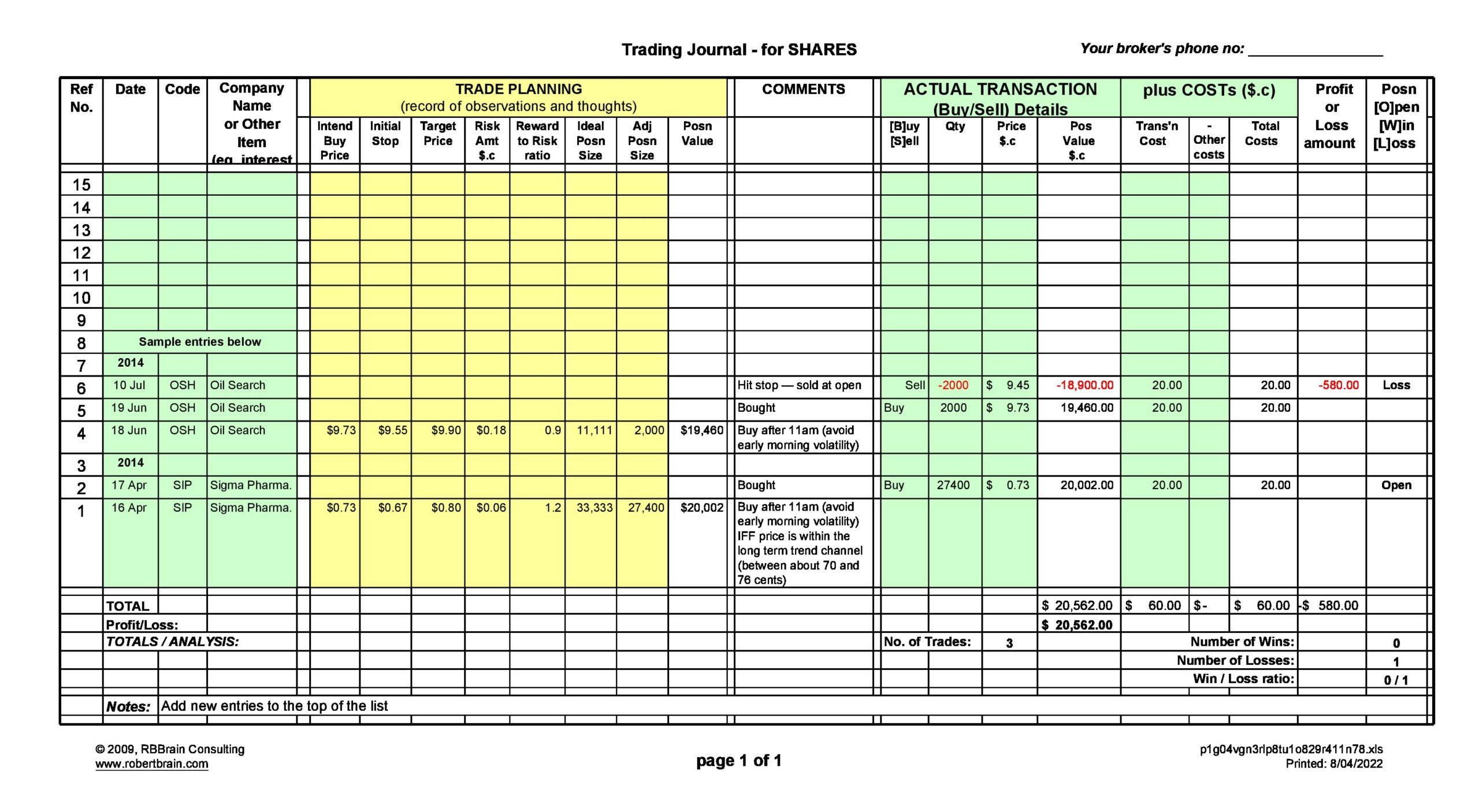
Day trading success doesn’t happen overnight. Most profitable traders spend 6-12 months learning before seeing consistent profits. Track your trades in a journal to identify patterns in your wins and losses.
Is Day Trading Forex Right for You?
Day trading forex isn’t for everyone. It requires specific personality traits and life circumstances to succeed.
You might excel at day trading if you:
- Can dedicate 4-8 hours daily to trading
- Handle stress well and make quick decisions
- Have sufficient risk capital (money you can afford to lose)
- Enjoy analyzing charts and data
- Can follow rules without letting emotions interfere
Consider other trading styles if you:
- Have a full-time job with inflexible hours
- Get stressed by rapid market movements
- Prefer longer-term investment approaches
- Can’t afford to lose your trading capital
- Struggle with discipline and patience
Getting Started with Day Trading Forex
Ready to begin your day trading journey? Follow these steps to start properly:
- **Choose a regulated broker**: Look for brokers regulated by authorities like the CFTC or FCA
- **Open a demo account**: Practice for at least 3 months
- **Develop a trading plan**: Write down your strategy, risk rules, and goals
- **Start small**: Begin with micro lots (0.01) when trading real money
- **Track everything**: Record all trades to analyze your performance
Remember, according to various broker statistics, around 70-80% of retail forex traders lose money. This sobering statistic highlights the importance of proper education and risk management.
Conclusion
Day trading forex offers the potential for profit from short-term currency movements. Success requires dedication, discipline, and continuous learning. Start with education and demo trading before risking real capital.
Focus on developing a solid strategy, managing risk carefully, and maintaining emotional control. With time and practice, you can join the minority of traders who consistently profit from the forex market.
Want to improve your trading skills? Check out our articles on the best technical indicators for forex trading.