









Blog
Robot Trading Forex: Your Complete Guide to Automated Currency Trading

Have you ever wondered how professional traders manage to watch multiple currency pairs 24 hours a day? The answer is simple: they don’t. Instead, they use robot trading forex systems to do the heavy lifting. These automated helpers work around the clock, making trades based on specific rules you set up in advance.
What Is a Forex Trading Robot?
A forex trading robot is a computer program that automatically buys and sells currencies for you. Think of it like setting your coffee maker to brew at 6 AM every morning – except instead of making coffee, it’s making trades based on your instructions.
These robots, also called Expert Advisors (EAs) in the trading world, follow a set of rules you give them. When certain conditions happen in the market, they spring into action. No emotions, no second-guessing, just pure execution of your trading strategy.
“The forex market operates 24 hours a day, five days a week. No human can monitor it constantly – that’s where trading robots excel.” – Investopedia
How Do Forex Trading Robots Actually Work?
Understanding how these robots function is KEY to using them successfully. Let’s break it down into simple steps:
Step 1: Market Analysis
Your robot constantly scans the forex market, looking at price movements, trends, and patterns. It’s like having a super-fast assistant who never blinks, checking prices every fraction of a second.
Step 2: Signal Detection
When the robot spots conditions that match your trading rules, it generates a signal. For example, if you told it to buy EUR/USD when the price crosses above a certain level, it waits patiently for that exact moment.
Step 3: Trade Execution
Once the signal appears, your robot places the trade instantly. It sets your stop loss (to limit losses) and take profit (to lock in gains) exactly where you programmed it to.
Step 4: Trade Management
The robot doesn’t just place trades and forget about them. It monitors your positions, adjusting stop losses if needed, and closing trades when your targets are hit.
Types of Forex Trading Robots
Not all trading robots are created equal. Different types serve different trading styles and goals. Here’s what you need to know:
| Robot Type | Best For | Trading Style | Risk Level |
|---|---|---|---|
| Scalping Robots | Quick profits | Many small trades | Medium-High |
| Trend Following Robots | Riding market trends | Fewer, longer trades | Medium |
| Grid Trading Robots | Range-bound markets | Multiple positions | High |
| News Trading Robots | Economic events | Event-based trades | Very High |
Setting Up Your First Trading Robot
Getting started with robot trading forex doesn’t have to be complicated. Follow these steps to set up your first automated trading system:
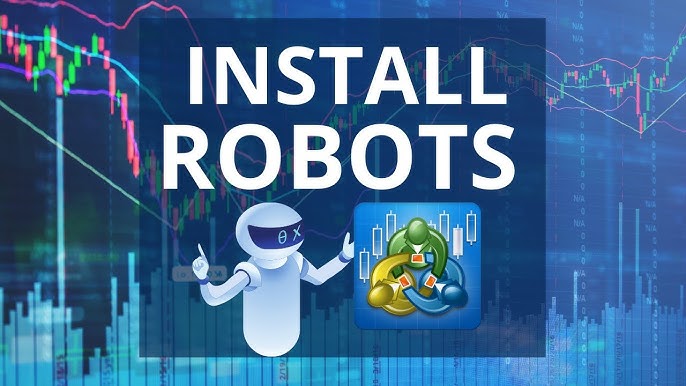
- Choose Your Trading Platform – Most robots work with MetaTrader 4 or MetaTrader 5. Download and install the platform from your broker.
- Select a Trading Robot – You can buy one from ShopForexEA.com, use a free one, or create your own if you know programming.
- Install the Robot – Copy the robot file (usually ending in .ex4 or .ex5) to your platform’s Expert Advisors folder.
- Configure Settings – Adjust the robot’s parameters like lot size, stop loss, and take profit levels to match your risk tolerance.
- Test on Demo Account – ALWAYS test your robot on a demo account first. Run it for at least a month to see how it performs.
- Go Live Carefully – Start with small amounts when you switch to real money. Increase your investment only after seeing consistent results.
Advantages of Using Forex Trading Robots
Why do so many traders turn to automated systems? The benefits are hard to ignore:
- No Emotional Trading – Robots don’t panic during market crashes or get greedy during rallies. They stick to the plan no matter what.
- 24/5 Market Coverage – While you sleep, work, or enjoy life, your robot keeps trading. You won’t miss opportunities because you weren’t at your computer.
- Lightning-Fast Execution – Robots can analyze markets and place trades in milliseconds, much faster than any human could click a button.
- Consistent Strategy Application – Your robot follows your rules exactly, every single time. No shortcuts, no “gut feelings,” just pure strategy execution.
- Backtesting Capabilities – You can test your robot’s performance on historical data before risking real money. This helps you understand how it might perform in different market conditions.
The Downsides You Need to Know
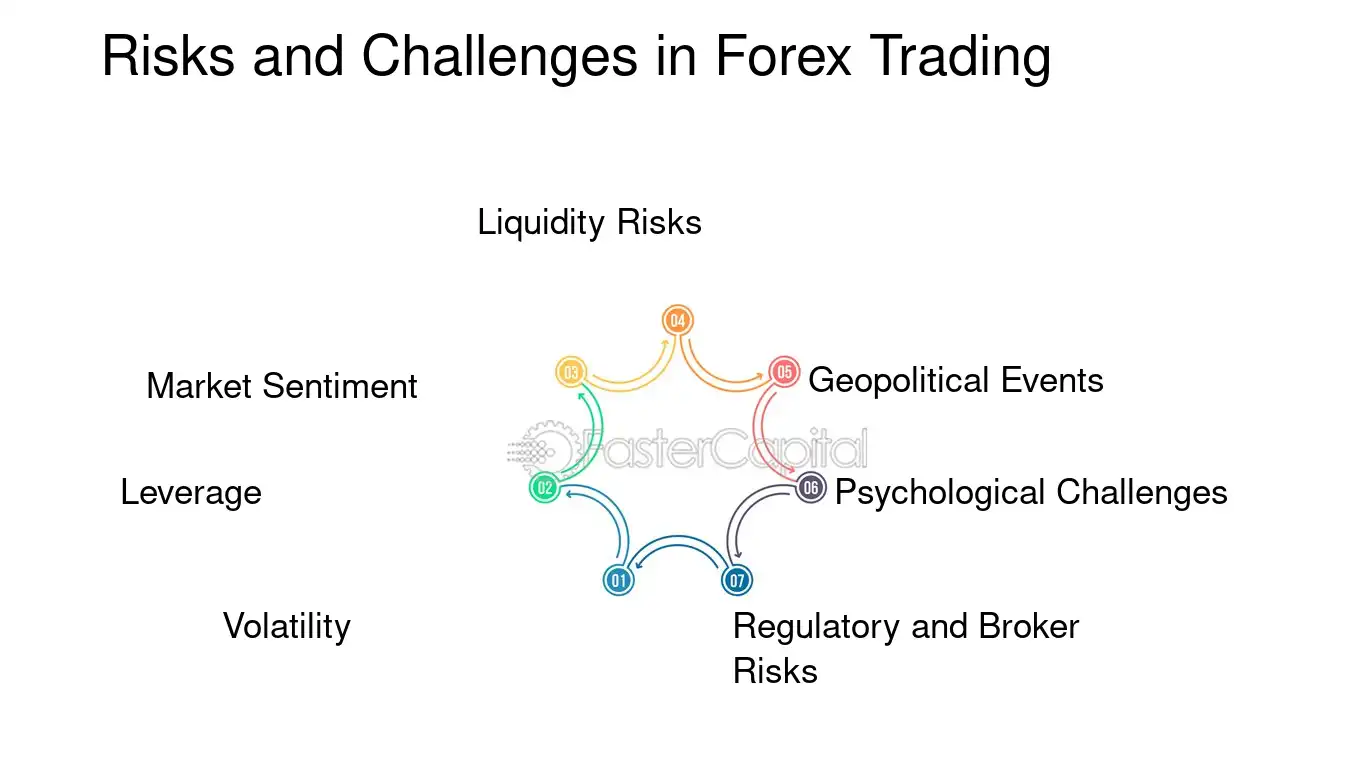
Before you rush to buy a trading robot, understand these important limitations:
Market Conditions Change
A robot that works perfectly in trending markets might lose money when markets move sideways. According to BabyPips, no single strategy works in all market conditions.
Technical Failures Happen
Internet outages, power failures, or computer crashes can interrupt your robot’s operation. Always have backup plans and monitoring systems in place.
Over-Optimization Risks
Some robots are “curve-fitted” to past data, meaning they look great in backtests but fail with real money. This is like memorizing test answers without understanding the subject.
Scams Exist
The forex robot market has its share of scammers selling “holy grail” systems that promise impossible returns. If it sounds too good to be true, it probably is.
Choosing the Right Forex Trading Robot
Selecting a trading robot is like choosing a business partner. You need someone (or in this case, something) reliable and trustworthy. Here’s what to look for:
“The best trading robot is one that matches your trading style, risk tolerance, and financial goals.” – Google Search Results
Performance History
Look for robots with verified trading results spanning at least 12 months. Check for consistency rather than just high returns. A robot making 5% monthly for two years beats one that made 100% in one month then crashed.
Risk Management Features
Good robots include built-in risk controls like maximum drawdown limits, position sizing rules, and automatic stop losses. These features protect your account from major losses.
Support and Updates
Markets evolve, and your robot needs to evolve too. Choose developers who provide regular updates and responsive customer support. Check if they have active user communities where you can get help.
Transparency
Avoid “black box” systems that hide their trading logic. You should understand *why* your robot makes certain trades, even if you don’t know all the technical details.
Common Trading Strategies Used by Robots
Understanding the strategies your robot uses helps you choose the right one and set realistic expectations. Let’s explore the most popular approaches:
Moving Average Crossover
This strategy watches two moving averages (like the 50-day and 200-day). When the faster average crosses above the slower one, the robot buys. When it crosses below, the robot sells. It’s simple but effective in trending markets.
Support and Resistance Trading
The robot identifies price levels where the market tends to bounce (support) or reverse (resistance). It buys near support and sells near resistance, profiting from these predictable movements.
Martingale Systems
These controversial robots double their position size after each loss, hoping to recover with one winning trade. While potentially profitable short-term, they carry EXTREME risk and can wipe out accounts quickly.
Arbitrage Trading
These sophisticated robots exploit tiny price differences between brokers or related currency pairs. They require fast execution and work best with large accounts due to small profit margins.
Setting Realistic Expectations
Many new traders expect their robot to turn $100 into $10,000 overnight. That’s not how successful trading works. Here’s what you should realistically expect:
| Time Frame | Realistic Monthly Return | Risk Level | Account Growth |
|---|---|---|---|
| Conservative | 2-5% | Low | Steady |
| Moderate | 5-10% | Medium | Good |
| Aggressive | 10-20% | High | Volatile |
| Very Risky | 20%+ | Very High | Unsustainable |
Remember, even professional hedge funds celebrate 20% *annual* returns. If your robot promises 50% monthly returns, approach with extreme caution.
Best Practices for Robot Trading Success
Follow these proven practices to maximize your chances of success with automated trading:

Start Small, Scale Gradually
Begin with the minimum lot size your broker allows. Once you see consistent profits for at least three months, consider increasing your position size by 25-50%.
Monitor Performance Daily
Check your robot’s performance at least once per day. Look for unusual behavior, excessive losses, or technical errors. Keep a trading journal to track patterns.
Use Proper Risk Management
Never risk more than 1-2% of your account on a single trade. Set your robot’s parameters to follow this rule automatically. According to Wikipedia’s risk management article, this approach helps traders survive losing streaks.
Diversify Your Approach
Don’t put all your money into one robot or strategy. Consider running multiple robots with different strategies, or combine automated trading with manual trading.
Keep Learning
The forex market constantly evolves. Stay updated on market conditions, economic events, and new trading techniques. Join forums, read books, and learn from other traders’ experiences.
Troubleshooting Common Robot Trading Issues
Even the best robots encounter problems. Here’s how to handle the most common issues:
Robot Not Placing Trades
- Check if automated trading is enabled in your platform
- Verify your internet connection is stable
- Ensure the robot is attached to the correct chart timeframe
- Review the robot’s settings for overly strict entry conditions
Excessive Losses
If your robot starts losing more than expected, immediately reduce position sizes or stop trading entirely. Analyze recent market conditions – they may have changed dramatically from your testing period.
Platform Crashes
Use a Virtual Private Server (VPS) to run your robots 24/7 without relying on your home computer. This ensures continuous operation even if your personal computer fails.
The Future of Robot Trading Forex
The world of automated trading continues to evolve rapidly. Here’s what’s coming:

Artificial Intelligence Integration – Modern robots increasingly use machine learning to adapt to changing market conditions automatically. They learn from their mistakes and improve over time.
Social Trading Features – New platforms let you copy successful robots used by other traders, creating communities where strategies are shared and improved collectively.
Mobile Integration – Control and monitor your robots from anywhere using smartphone apps. Receive instant alerts about trades and performance.
Making Your Decision
Robot trading forex offers incredible opportunities for disciplined traders willing to learn and adapt. It’s not a magic solution that prints money while you sleep, but rather a powerful tool that extends your trading capabilities.
Start your journey by educating yourself thoroughly. Read everything you can about automated trading, test strategies on demo accounts, and connect with other robot traders. Visit reputable sources like our guides for ongoing education and updates.
Remember, successful robot trading combines the right technology with proper risk management and realistic expectations. Take your time, start small, and let your experience guide you toward profitable automated trading.
The forex market never sleeps, and neither does your trading robot. But unlike the market, you need rest. That’s the beauty of automated trading – it works while you live your life. Choose wisely, trade responsibly, and may your robots bring you steady profits in the exciting world of forex trading.