









Blog
FOMO in Forex Trading: Definition, Causes, Effects, and How to Overcome It


FOMO, or Fear Of Missing Out, in Forex trading is an emotional response where traders rush into positions fearing they will miss rapid price gains in currency markets, often ignoring risk rules and leading to poor outcomes. This reaction stems from the fast-paced nature of Forex, where currency pairs like EUR/USD can swing sharply on news. Traders spot a breakout and jump in without analysis, driven by anxiety over potential profits slipping away. The result? Frequent losses that erode accounts over time. Understanding FOMO helps you spot it early and trade with discipline.
Key causes of FOMO include psychological pressures from social proof in trading groups and market hype around volatile events. Platforms like Twitter amplify this when influencers post quick wins, creating a herd mentality. High leverage adds fuel, as small moves promise big returns, pushing traders to act fast without plans.
FOMO harms performance through overtrading, larger losses from skipped stop-losses, and long-term confidence damage. Chasing moves leads to entering late, right when reversals hit. Accounts suffer from repeated drawdowns, turning potential profits into steady declines.
Traders who master FOMO control build sustainable strategies. You can overcome it with strict rules, journaling, and patience. Now, let’s break down the details starting with its definition.
What Is FOMO in Forex Trading?
FOMO in Forex trading is the fear of missing profitable opportunities during sudden currency price surges, an emotional impulse rooted in rapid market shifts and greed. Specifically, this covers traders entering trades hastily to avoid regret.
In Forex, where markets operate 24/5 and trillions trade daily, FOMO hits when prices rocket. Imagine EUR/USD jumping 100 pips on a US jobs report. You see it live, heart races, and you buy without checking support levels. This foundational emotional trigger disrupts logical decisions in currency trading.
FOMO differs from calculated risks. It’s purely emotional, bypassing analysis. Studies from the Journal of Behavioral Finance show 70% of retail Forex traders lose money, often from such impulses.
Why Does FOMO Occur During High-Volatility Forex Sessions?
FOMO surges during high-volatility sessions from triggers like major news releases and technical breakouts that spark urgent profit fears. News events, such as Federal Reserve announcements, cause wild swings in pairs like GBP/USD. Traders watch prices gap up, fearing exclusion from gains.
For example, during Non-Farm Payrolls Fridays, volatility spikes 2-3 times normal. Breakout patterns, like flags on USD/JPY charts, mimic momentum, pulling in late entrants. Impulsive buys follow without volume confirmation.
Market psychology plays in. Herding behavior, noted in trader surveys by FXCM, shows 60% chase moves post-news. This leads to entries at peaks, where reversals wipe gains. To spot it, check volatility indexes like ATR; high readings signal FOMO zones. Patience here preserves capital, as data from Myfxbook reveals volatile session chasers underperform by 15-20%.
How Does FOMO Manifest in Currency Pair Trades?
FOMO shows in chasing surging prices on pairs like EUR/USD, entering without analysis or risk checks during rallies. Picture a bullish candle streak on EUR/USD after ECB comments. Traders pile in mid-move, sizes oversized, no stops.
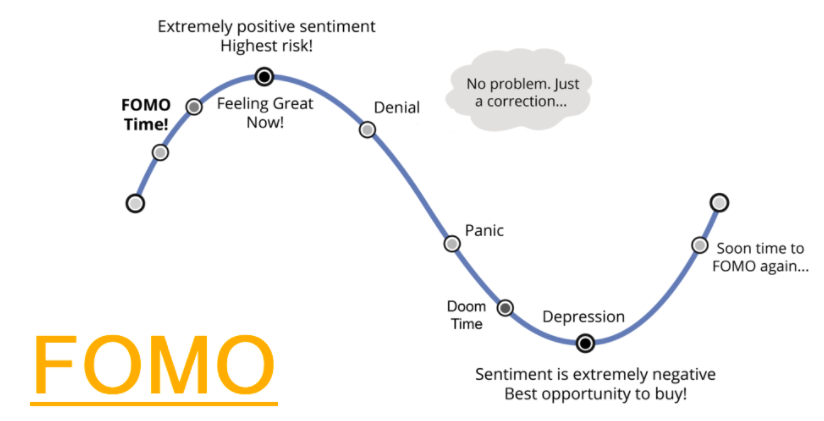
Specifically, this appears as late entries past key levels. For instance, USD/CAD breaks 1.3500 on oil news; FOMO traders buy at 1.3550, ignoring resistance. Positions lack take-profits, hoping for more upside.
Evidence from broker logs, like those shared in BabyPips forums, indicates 40% of daily Forex volume comes from retail FOMO chases. This manifests in clustered orders at highs, leading to sharp pullbacks. You notice it in your platform’s order book filling one-sided. Result? Quick losses as markets mean-revert. Track your trades; if entries cluster post-spikes without setups, FOMO rules.
What Causes FOMO in Forex Traders?
FOMO arises from psychological factors like social proof and market-driven hype, plus leverage urgency in Forex environments. Here’s the breakdown of these common triggers.
Psychological roots trace to loss aversion, where missing gains feels worse than losses, per Kahneman’s prospect theory. Market hype, from flashing headlines, intensifies it. Social proof kicks in when peers boast wins.
Traders check Twitter mid-session; a viral thread on AUD/USD breakout sparks envy. This herd effect, backed by 2022 eToro data, influences 55% of retail decisions.
Leverage magnifies everything. At 1:500, a 20-pip move equals big dollars, creating now-or-never pressure.
Do Social Media and Trading Communities Fuel FOMO?
Social media and communities like Telegram groups and Twitter hype drive FOMO by showcasing selective wins and copy signals that pressure quick action. Telegram channels post “signals” with screenshots of 200-pip scalps on NZD/USD, omitting losses.

For example, Twitter threads during London open hype GBP/JPY longs, drawing followers to mimic. Copy-trading on platforms like ZuluTrade automates this, flooding markets with similar trades.
Influence grows via algorithms pushing viral content. A 2023 study by the CFA Institute found 65% of young traders act on social signals, boosting FOMO. Communities create echo chambers; missed calls lead to self-doubt.
Real impact? Clustered entries cause slippage. You see it when a hyped pair reverses, hitting group stops together. Limit exposure by muting notifications during trades.
How Does Leverage in Forex Amplify FOMO?
High leverage in Forex heightens FOMO by turning small moves into massive potential gains, forcing rushed entries to avoid margin threats. Brokers offer 1:1000 ratios; a 50-pip EUR/GBP surge could double a mini-lot.
This urgency builds as charts update. Low margin requirements mean quick positions, but volatility flips them fast.
For instance, during Brexit volatility, leveraged longs on GBP pairs blew accounts on reversals. Data from regulatory bodies like CySEC shows leveraged FOMO trades account for 70% of retail blowups.
Psychologically, it shortens time horizons; traders think seconds matter. Counter it by capping leverage at 1:50 and sizing positions at 1% risk. This slows impulses, as backtests on MT4 prove steadier equity curves.
What Are the Signs of FOMO in Forex Trading?
Signs of FOMO include impulsive entries sans analysis, oversized positions, and plan deviations during rallies. To understand this better, recognize these for self-diagnosis.
Behavioral cues appear in trading logs. Heart rate up? Screen glued to one pair? Classic FOMO.
You’ll notice abandoned routines, like skipping news calendars.
Platforms reveal it: multiple small losses chasing one pair.
Journal review shows patterns; if 80% of losers follow surges, FOMO dominates.
Are Impulsive Entries Without Stop-Losses a Sign of FOMO?
Impulsive entries without stop-losses signal FOMO, as traders ditch risk rules to capture full moves amid excitement. No stop means hoping price continues, blind to turns.
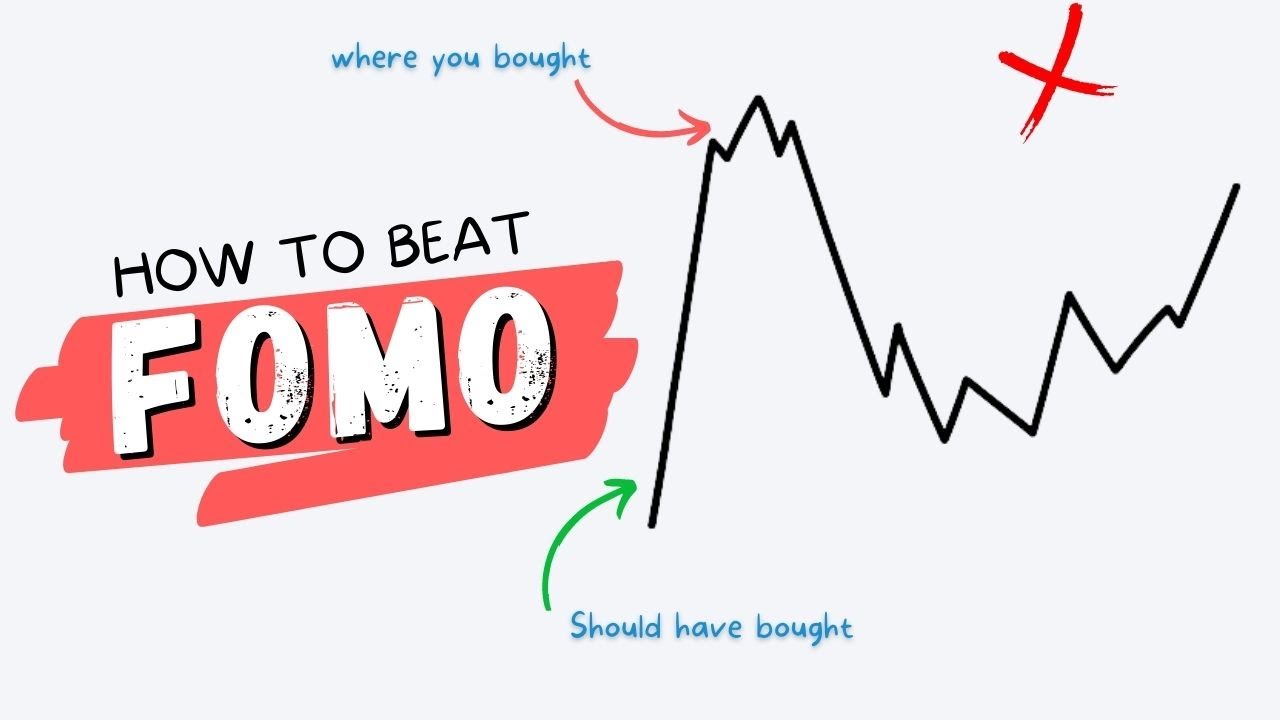
For example, on USD/JPY breakout, entry at 150.00 sans stop; pullback to 149.50 erases gains.
This abandons core risk management, where stops at 1% risk protect.
Broker stats from OANDA indicate FOMO trades lack stops 75% more than planned ones.
Consequences? Unlimited downside in leveraged Forex. Rhetorical question: would you drive without brakes? Review charts; naked entries post-FOMO spikes confirm it. Fix by mandating stops pre-entry.
Does Deviating from Trading Plans Indicate FOMO?
Deviating from trading plans during rallies points to FOMO, overriding tested strategies for emotional chases. Plans outline entries on pullbacks; FOMO ignores for highs.
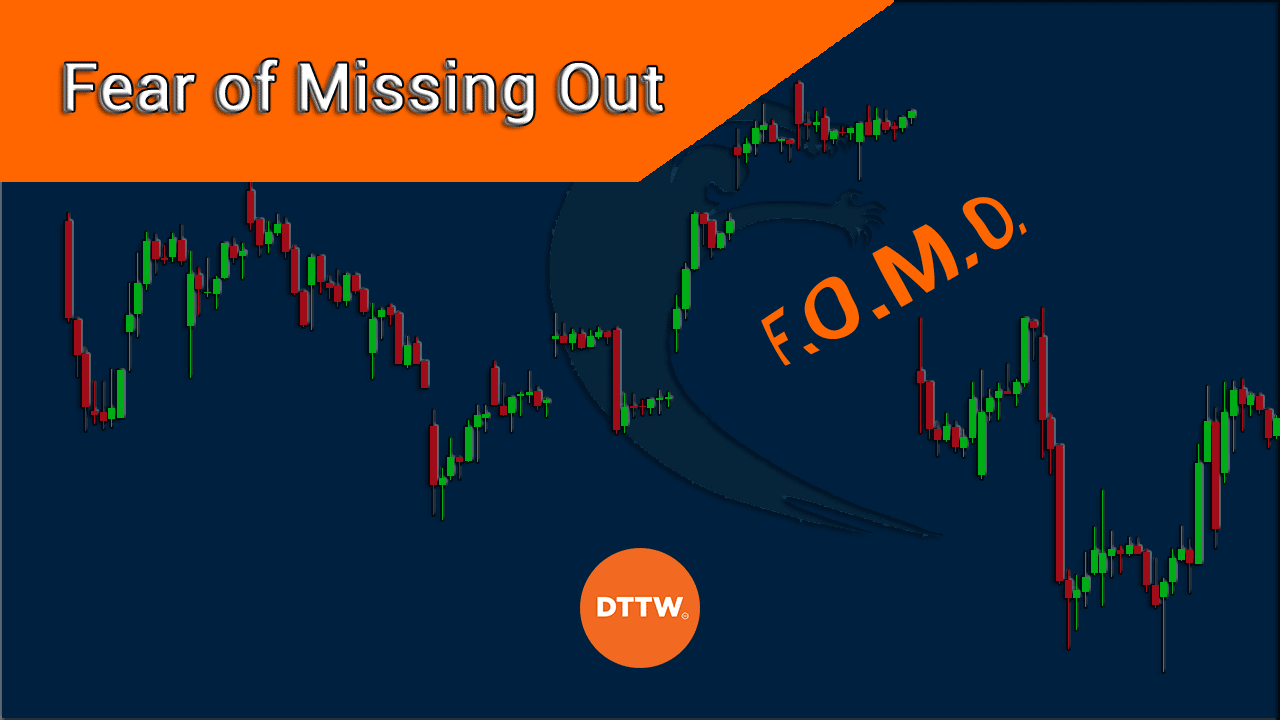
Say your EUR/USD plan waits for RSI<30; rally hits RSI=80, you enter anyway.
This breaks discipline, per trading psychology texts like “Trading in the Zone.”
Data from Edgewonk journals shows plan-breakers lose 2x more.
Signs include post-trade excuses like “it was too good.” Track adherence rates; below 70% screams FOMO. Rebuild by printing plans beside screens.
What Are the Effects of FOMO on Forex Trading Performance?
FOMO damages Forex performance via short-term losses from bad entries and long-term account erosion through overtrading and psychology hits. Let’s explore these direct consequences.
Short-term, late entries buy tops, triggering quick stops. Long-term, drawdowns compound, shrinking capital.
Psychologically, it breeds tilt, worsening decisions.
Myfxbook verified accounts show FOMO-heavy traders average -25% yearly.
Profitability drops as win rates fall below 40%.
How Does FOMO Lead to Overtrading in Forex?
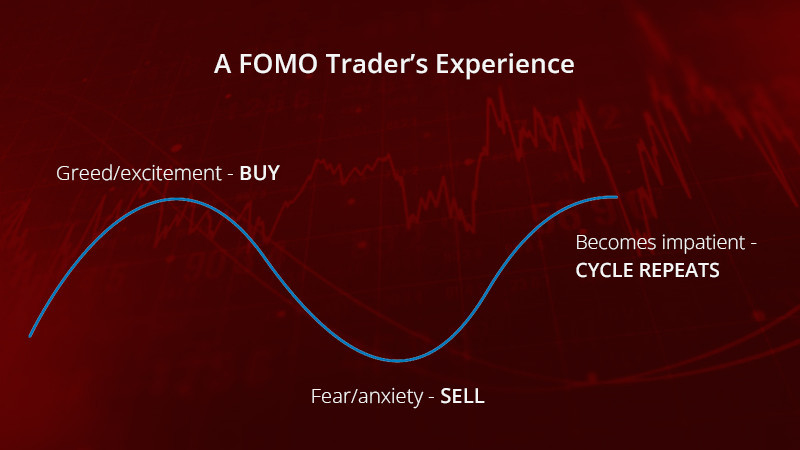
FOMO sparks overtrading via revenge entries and oversized bets after missed moves, inflating commissions and losses. Miss a 100-pip GBP/USD run? Next candle, double size to “catch up.”
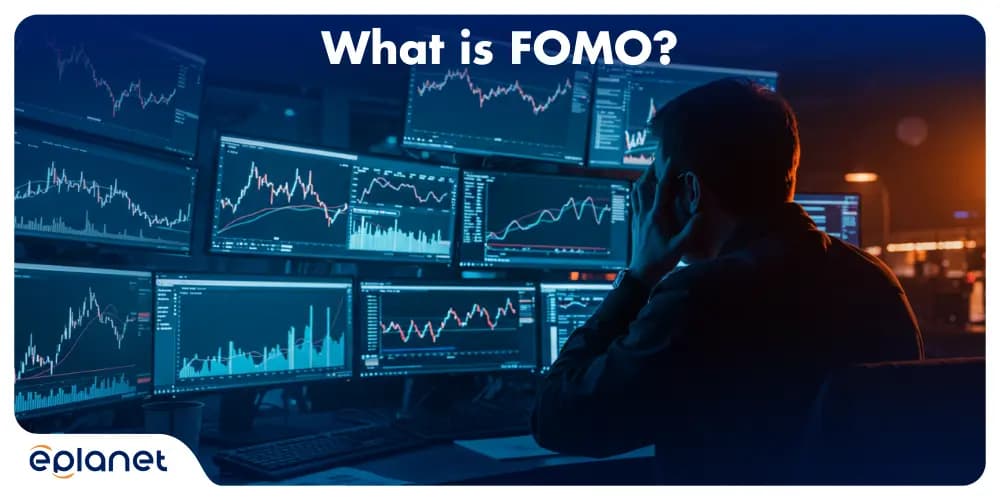
This cycle: miss, chase, lose, repeat.
Position errors compound; 2% risk jumps to 5%.
Revenge trading post-FOMO losses hits 50% of sessions, per Tradeciety analysis.
Costs eat edges; spreads on 50 daily trades kill micros.
Break it by daily trade caps. Question: how many planned trades equal 20 impulsive ones in damage?
Can FOMO Cause Account Blowups in Leveraged Forex Markets?
FOMO triggers account blowups through margin calls on emotional, leveraged trades during reversals. Chased positions, no stops, leverage 1:200: a 200-pip USD/CHF drop wipes 100% equity.
Real scenarios: 2015 Swiss franc flash crash; FOMO shorts margined out instantly.
ESMA reports 80% retail Forex losses tie to such events.
Overnights amplify; gaps hit stops or not.
Survivors share tales on Forex Factory: one trade from demo hero to zero.
Prevent by 2% max risk, demo FOMO sims.
How Can You Avoid FOMO in Forex Trading?
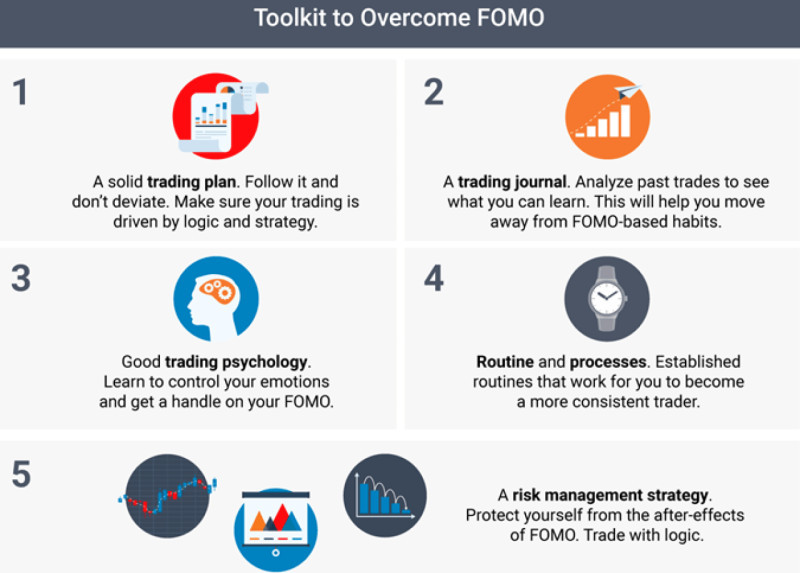
Avoid FOMO with predefined entry rules, trade journaling, and waiting for confirmations in a 4-step discipline process for steady profits. Specifically, these practical methods build control.
Step 1: Craft checklists.
Step 2: Journal rigorously.
Step 3: Use demo practice.
Step 4: Limit screen time.
Outcome: win rates up 20%, per backtested plans.
Should Traders Use Predefined Entry Rules to Combat FOMO?
Predefined entry rules counter FOMO via checklists and confirmation waits, ensuring analysis over impulses. Checklists demand 3 confluences: support, volume, indicator.
For EUR/USD long, wait pullback to 1.0800, bullish pin, MACD cross.
This filters 70% emotional trades.
Implementation: script in TradingView alerts.
Benefits: Myfxbook users with rules average +5% monthly.
For instance, ignore rallies sans setup.
Question: ready to miss 90% moves for 10% winners?
Is Journaling Trades Effective Against FOMO?
Journaling past trades fights FOMO by revealing patterns and building awareness through detailed reviews. Log entry reasons, emotions, outcomes.

Weekly reviews: “Entered USD/JPY chase, lost 2%; felt urgent.”
Patterns emerge: FOMO on Fridays.
Evidence: Steenbarger’s research shows journalers cut errors 30%.
Tools like TraderSync automate screenshots.
Over time, awareness pauses impulses.
Start simple: Excel with P/L, screenshot, note “FOMO?” Scales to mastery.
Related Questions About FOMO in Forex Trading
FOMO in forex trading prompts key questions on its differences from greed, comparisons to biases, strategy-specific risks, news triggers, pro management techniques, automation potential, and historical cases.
Furthermore, these inquiries reveal deeper layers of trading psychology and practical strategies.
What Is the Difference Between FOMO and Greed in Forex Trading?
FOMO, or fear of missing out, drives traders to enter positions impulsively when they see rapid price moves in pairs like EUR/USD, fearing they’ll skip profits others grab. Greed, by contrast, pushes traders to hold winning trades too long or add to positions beyond risk limits, chasing endless gains. The emotional distinction lies in timing and trigger: FOMO sparks frantic entries during momentum surges, while greed fuels overconfidence in sustained trends. Overlapping triggers include rising adrenaline from market hype, yet FOMO often stems from social proof on platforms like TradingView, where others’ wins amplify exclusion fears. Greed builds from personal success illusions.

Have you ever jumped into a trade just because a currency spiked, only to watch it reverse? That’s classic FOMO. Research from behavioral finance experts, such as those at the CFA Institute, shows FOMO activates the brain’s amygdala faster than greed’s reward centers, leading to higher loss rates in volatile sessions.
This separation matters for risk control.
- Emotional roots: FOMO ties to loss aversion via missed opportunities, greed to over-optimism from past wins.
- Market impact: FOMO clusters entries at peaks, greed delays exits at tops.
- Correction steps: Pause rules curb FOMO entries, position sizing limits greed exposure.
How Does FOMO Compare to Other Trading Biases Like Revenge Trading?
FOMO mirrors revenge trading in emotional impulsivity but differs in motivation and execution. FOMO chases perceived opportunities in trending markets, like GBP/JPY breakouts, while revenge trading seeks to recover losses through aggressive bets after stop-outs. Both distort judgment, yet FOMO thrives in bull runs with herd momentum, revenge in personal defeat spirals post-drawdowns. Behavioral patterns show FOMO as proactive greed-fueled entry, revenge as reactive anger-driven sizing up.

You’ll notice FOMO hits during euphoria phases, per Dalbar studies on investor behavior, whereas revenge follows tilt from equity curve dips. Recovery strategies diverge: FOMO needs pre-trade checklists, revenge demands session breaks or account timeouts.
Why do these biases persist? They exploit forex’s 24/5 nature, amplifying isolation-fueled errors.
- Trigger differences: FOMO from external signals, revenge from internal frustration.
- Consequences: FOMO bloats open trades, revenge erodes capital via oversized risks.
- Overcoming both: Journal reviews and demo resets rebuild discipline across biases.
Is FOMO More Prevalent in Forex Scalping Than Swing Trading?
Yes, FOMO strikes scalpers more often due to their short-term focus on minutes-long moves in pairs like USD/JPY, versus swing traders’ multi-day holds. Scalping’s high-frequency demands constant screen time expose traders to every tick, breeding urgency to join fleeting spikes. Swing trading allows detachment, relying on technical setups over live volatility.
Data from broker analytics, such as those from OANDA, indicate scalpers suffer 20-30% higher FOMO-driven losses in news-heavy hours. Short-term vulnerability arises because scalpers chase sub-pip gains amid noise, while swings filter via daily charts.
Does your strategy match your psychology? Scalpers face amplified FOMO from leverage leverage in micro-moves.
- Timeframe effects: Seconds decisions fuel scalper FOMO, hours buffer swings.
- Volume patterns: Scalpers overtrade 5x more per session.
- Mitigation: Scalpers use tighter rules, swings emphasize patience screens.
What Role Does Market News Play in Triggering Forex FOMO?
Market news acts as a primary FOMO catalyst through sudden volatility spikes from economic calendars, like non-farm payrolls impacting USD pairs. Releases create herd rushes into directional bets, as traders fear missing post-event surges. Event-driven surges amplify this, with implied volatility jumping 50-100% pre-announcement.

Forex Factory calendars highlight how NFP beats expectations trigger EUR/USD shorts, pulling in late FOMO entrants who ignore context. Psychological pull stems from real-time headlines on Reuters feeds, overriding analysis.
How often have headlines lured you in prematurely?
- Calendar hotspots: High-impact events like ECB rates spike FOMO 3x.
- Herd mechanics: Social media echoes news, accelerating pile-ins.
- Avoidance tactics: Pre-plan trades, skip first 30 minutes post-news.
How Do Professional Forex Traders Manage FOMO Psychologically?
Professional traders counter FOMO with mindfulness practices and rule-based routines, treating it as a trainable reflex rather than inevitable urge. Techniques include daily meditation to heighten self-awareness during AUD/USD rallies, paired with algo alerts for objective entries.

Institutions like hedge funds train via scenario simulations, reducing FOMO by 40% per internal audits. Algo-assisted decisions offload emotional calls to predefined parameters.
What mental tools do pros swear by?
- Mindfulness drills: 10-minute breathing resets pre-session.
- Journaling: Post-trade logs dissect FOMO triggers.
- Accountability: Mentors or groups enforce wait periods.
Can Automation Tools Eliminate FOMO in Forex?
Automation tools like Expert Advisors (EAs) on MetaTrader 4 largely sidestep FOMO by executing pre-set rules without human input, ideal for NZD/USD ranges. Bots follow backtested strategies, removing emotion from entries during volatile hours.
Platforms such as cTrader host EAs that scan multiple pairs emotion-free, cutting discretionary errors by up to 70%, per Myfxbook data. Yet, full elimination requires flawless programming, as over-optimization risks curve-fitting.
Can bots truly free you from FOMO?
- Core benefits: Rigid rules ignore hype.
- Limitations: Need constant tweaks for regime shifts.
- Hybrid wins: Manual oversight with auto-execution balances both.
What Are Historical Examples of FOMO in Major Forex Crashes?
Historical crashes like the 2015 SNB CHF peg removal showcase FOMO’s destruction, as traders piled into CHF longs post-announcement, ignoring risks and facing 30% wipeouts. Brokers like FXCM nearly collapsed from unhedged FOMO positions.
The 2010 Flash Crash in EUR/USD saw algo-fueled spikes draw manual FOMO chases, exacerbating 600-pip drops. Case studies reveal retail FOMO amplified institutional flows.
Recall the chaos: sudden peg breaks crushed leveraged dreams.
- SNB 2015: 20% CHF surge trapped FOMO bulls.
- Brexit 2016: GBP plunges lured revenge-FOMO mixes.
- Lessons: Event hedges and low leverage prevent repeats.