









Blog
Forex Currency Trading: Complete Guide to Trading Foreign Exchange Markets


Welcome to the world of forex currency trading, where over $7.5 trillion changes hands daily in the global foreign exchange market. Whether you’re a complete beginner looking to understand the basics or an experienced trader seeking advanced strategies, this comprehensive guide will equip you with the knowledge and tools needed to navigate the dynamic world of currency trading successfully.
What Is Forex Currency Trading?
Forex currency trading, also known as foreign exchange trading or FX trading, involves buying and selling different currencies against each other. Unlike traditional stock markets, the forex market operates 24 hours a day, five days a week, making it the world’s most liquid and accessible financial market.
Think of forex trading like exchanging money at an airport currency booth, but on a much larger scale and with the potential for profit. When you trade forex, you’re essentially betting that one currency will strengthen or weaken against another. For example, if you believe the Euro will strengthen against the US Dollar, you would buy EUR/USD.
How Does Forex Trading Work?
Understanding the mechanics of forex trading is crucial for success. Here’s how it works in practice:
Currency Pairs Explained
In forex trading, currencies are always traded in pairs. Each pair consists of:
- Base Currency: The first currency in the pair (e.g., EUR in EUR/USD)
- Quote Currency: The second currency in the pair (e.g., USD in EUR/USD)
- Exchange Rate: The price of the base currency in terms of the quote currency
“When you buy EUR/USD at 1.1000, you’re buying 1 Euro for 1.10 US Dollars. If the rate moves to 1.1100, you’ve made a profit of 100 pips.”
Major Currency Pairs
The most traded currency pairs, known as “majors,” account for about 85% of all forex trading volume:
| Currency Pair | Nickname | Average Daily Volume | Best Trading Hours (EST) |
|---|---|---|---|
| EUR/USD | Fiber | 28% | 8:00 AM – 12:00 PM |
| USD/JPY | Ninja | 13% | 7:00 PM – 2:00 AM |
| GBP/USD | Cable | 11% | 3:00 AM – 12:00 PM |
| AUD/USD | Aussie | 6% | 7:00 PM – 4:00 AM |
Getting Started with Forex Trading: A Step-by-Step Guide
Ready to start your forex trading journey? Follow these practical steps to begin trading currencies effectively:
Step 1: Choose a Reliable Forex Broker
Selecting the right broker is crucial for your trading success. Consider these factors:
- Regulation: Ensure the broker is regulated by reputable authorities like the FCA, ASIC, or CySEC
- Trading Platform: Look for user-friendly platforms like MetaTrader 4 or MetaTrader 5
- Spreads and Fees: Compare trading costs across different brokers
- Customer Support: 24/5 support is essential for forex trading
Step 2: Open a Demo Account
Before risking real money, practice with a demo account. This allows you to:
- Test trading strategies without financial risk
- Familiarize yourself with the trading platform
- Understand market movements and volatility
- Build confidence in your trading decisions
Most brokers offer demo accounts with virtual funds ranging from $10,000 to $100,000. Use this opportunity to learn how Expert Advisors (EAs) can automate your trading strategy.
Step 3: Learn Fundamental and Technical Analysis
Successful forex trading requires understanding both fundamental and technical analysis:
Fundamental Analysis
This involves analyzing economic indicators and news events that affect currency values:
- Interest Rates: Central bank decisions directly impact currency strength
- GDP Growth: Economic growth typically strengthens a currency
- Inflation Data: High inflation often weakens currency value
- Employment Reports: Strong job markets support currency appreciation
Technical Analysis
This focuses on price charts and patterns to predict future movements:
- Support and Resistance Levels: Key price points where trends often reverse
- Moving Averages: Trend-following indicators that smooth price action
- RSI and MACD: Momentum indicators showing overbought/oversold conditions
- Chart Patterns: Head and shoulders, triangles, and flags signal potential moves
Learn more about technical analysis from BabyPips’ comprehensive forex education.
Essential Forex Trading Strategies
Different trading strategies suit different personality types and time commitments. Here are the most effective approaches:
1. Day Trading Strategy
Day traders open and close positions within the same trading day, avoiding overnight risk:
Best for: Traders who can dedicate several hours daily to monitoring markets
Typical timeframes: 5-minute to 1-hour charts
Risk/Reward: Usually 1:2 or better

2. Swing Trading Strategy
Swing traders hold positions for several days to weeks, capturing medium-term price movements:
- Less time-intensive than day trading
- Focuses on daily and 4-hour charts
- Targets moves of 100-500 pips
- Suitable for part-time traders
Explore our collection of swing trading EAs to automate this strategy.
3. Scalping Strategy
Scalpers make numerous small trades, aiming for quick profits of 5-20 pips:
- Requires excellent risk management
- Uses 1-minute to 5-minute charts
- Demands fast execution and low spreads
- Best suited for experienced traders
4. Position Trading Strategy
Position traders hold trades for weeks to months, following long-term trends:
| Advantages | Disadvantages |
|---|---|
| Less stressful | Requires larger capital |
| Fewer transactions | Slower returns |
| Lower time commitment | Overnight/weekend risk |
Risk Management: The Key to Long-Term Success
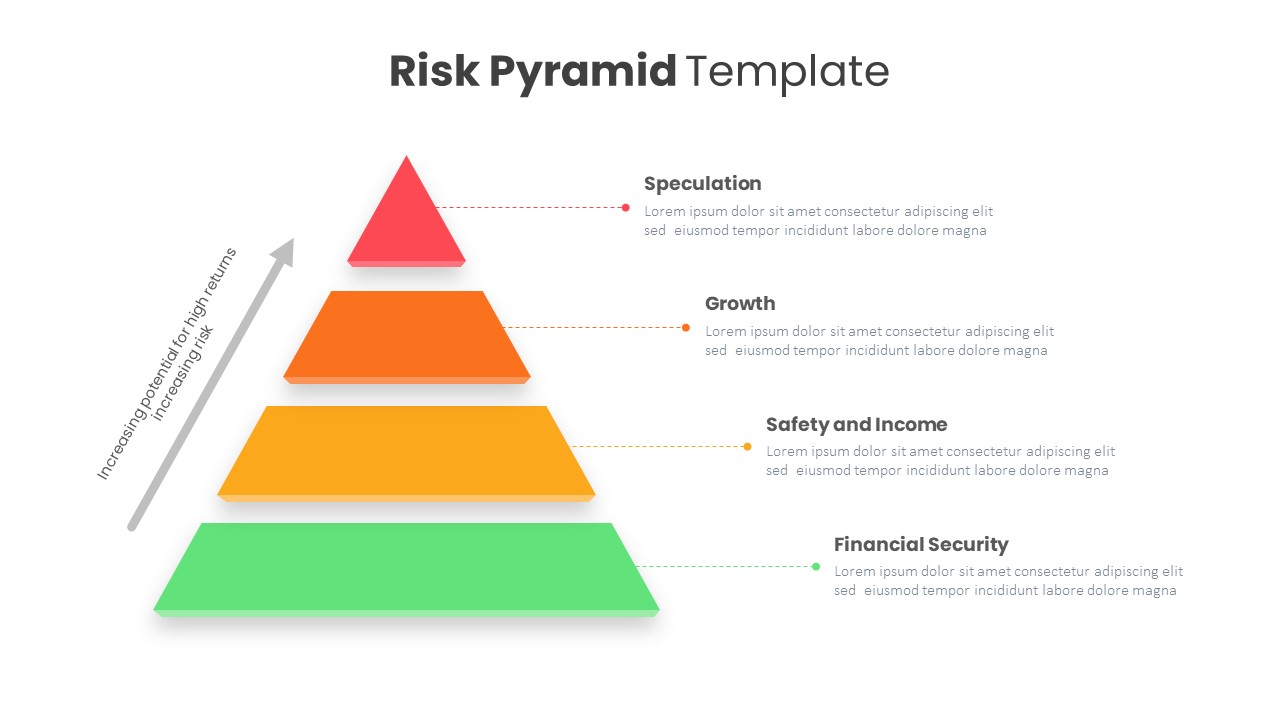
Effective risk management separates successful traders from those who blow their accounts. Follow these essential rules:
The 2% Rule
Never risk more than 2% of your trading capital on a single trade. For a $10,000 account, this means risking no more than $200 per trade.
Position Sizing Formula
Position Size = (Account Balance × Risk %) / (Stop Loss in Pips × Pip Value)
Use Stop-Loss Orders
Always set stop-loss orders to limit potential losses. According to Investopedia’s research, traders who use stop-losses consistently outperform those who don’t.
Common Forex Trading Mistakes to Avoid
Learn from others’ mistakes to protect your trading capital:
1. Overtrading
Taking too many trades dilutes focus and increases transaction costs. Quality over quantity always wins.
2. Ignoring Economic News
Major news events can cause significant volatility. Always check the economic calendar before trading.
3. Emotional Trading
Fear and greed are traders’ worst enemies. Stick to your trading plan regardless of emotions.
4. Inadequate Education
Continuous learning is essential. The forex market evolves constantly, requiring ongoing education.
Advanced Trading Tools and Technology
Modern forex trading benefits from sophisticated tools and technology:
Expert Advisors (EAs)
Automated trading systems can execute trades 24/5 based on predetermined rules. Check out our best forex robots collection for proven automated strategies.
Trading Indicators
Custom indicators provide unique market insights:
- Trend Indicators: Identify market direction
- Volume Indicators: Measure market participation
- Volatility Indicators: Gauge market movement potential
- Momentum Indicators: Spot trend strength
Trading Journals
Document every trade to identify patterns in your performance. Include:
- Entry and exit points
- Reason for the trade
- Emotional state
- Lessons learned
Forex Trading Psychology
Success in forex trading requires mastering your psychology:
Develop Trading Discipline
- Follow your trading plan consistently
- Accept losses as part of the business
- Avoid revenge trading after losses
- Take breaks when feeling overwhelmed
Build Confidence Through Practice
Start with small positions and gradually increase size as your skills improve. Remember, even professional traders started as beginners.
“The market can remain irrational longer than you can remain solvent.” – John Maynard Keynes
Choosing the Right Trading Session
The forex market operates in different sessions, each offering unique opportunities:
| Session | Time (EST) | Best Pairs | Characteristics |
|---|---|---|---|
| Sydney | 5:00 PM – 2:00 AM | AUD/USD, NZD/USD | Lower volatility |
| Tokyo | 7:00 PM – 4:00 AM | USD/JPY, EUR/JPY | Moderate volatility |
| London | 3:00 AM – 12:00 PM | EUR/USD, GBP/USD | Highest volatility |
| New York | 8:00 AM – 5:00 PM | All major pairs | High volatility |

Building Your Trading Plan
A comprehensive trading plan is your roadmap to success. Include these elements:
1. Trading Goals
- Define realistic profit targets
- Set daily, weekly, and monthly goals
- Track progress consistently
2. Entry and Exit Rules
Specify exact conditions for entering and exiting trades. For example:
“Enter long when price breaks above 50-day moving average with RSI above 50. Exit when price closes below 20-day moving average or hits 2:1 profit target.”
3. Risk Parameters
- Maximum risk per trade (1-2%)
- Maximum daily loss limit (5%)
- Position sizing rules
- Leverage limitations
The Future of Forex Trading
The forex market continues evolving with technological advances:
Artificial Intelligence and Machine Learning
AI-powered trading systems analyze vast amounts of data to identify profitable opportunities. Our AI trading robots leverage these technologies for enhanced performance.
Mobile Trading
Trade from anywhere with smartphone apps offering full functionality of desktop platforms.
Social Trading
Copy successful traders’ strategies automatically through social trading platforms.
Conclusion: Your Path to Forex Trading Success
Forex currency trading offers tremendous opportunities for those willing to learn and apply proper strategies. Success requires education, discipline, and continuous improvement. Start with a demo account, develop your skills, and gradually transition to live trading as confidence grows.
Remember, forex trading isn’t a get-rich-quick scheme but a legitimate business requiring dedication and proper risk management. With the right approach, tools, and mindset, you can join the millions of traders profiting from the world’s largest financial market.
Ready to begin your forex trading journey? Explore our comprehensive trading tools and start building your path to financial independence today. Whether you prefer manual trading or automated solutions, ShopForexEA.com provides the resources and support needed for success in the dynamic world of forex currency trading.