









Blog
Forex Types of Trading: The Complete Guide for Every Trader in 2025


Forex trading isn’t a one-size-fits-all game. Whether you’re into quick scalps or patient long-term holds, the type of forex trading you choose should align with your lifestyle, risk appetite, and personal goals. In this detailed guide, we’ll explore every major type of trading in the FX market so you can confidently find your fit. Let’s unlock the styles, markets, and strategies together.
Looking to automate your trading? Explore our high-performance forex expert advisors for MetaTrader 4 & 5 — designed for scalping, swing, and long-term strategies.
Understanding Forex Trading: A Quick Overview
The foreign exchange market is the largest and most liquid financial market in the world, with over $6 trillion traded daily. It’s where currencies are exchanged — whether for travel, international business, or speculation.
There are three main dimensions that define forex trading:
- Trading style (based on time horizon and strategy)
- Market structure (contract types and settlements)
- Currency pairs involved (major, minor, exotic)
Choosing the right combination of these factors can dramatically improve your results. And we’re here to walk you through it — step-by-step.
“The forex market determines the relative values of different currencies — impacting everything from global trade to your travel budget.” — Investopedia
Types of Forex Trading by Style (Based on Timeframe)
Your trading style is about how long you hold trades and what strategies you use. Here are the four main types of trading styles in forex:
1. Scalping: Speed and Precision
Scalping is a high-speed trading method where traders hold positions for seconds to minutes. The goal is to capture small price movements repeatedly throughout the day.
- Timeframe: Seconds to minutes
- Requires: Lightning-fast execution, focus, and a powerful EA
- Best for: Traders who thrive on adrenaline and fast decisions
Tip: Try our scalping forex robots to automate fast trades with precision — updated for 2025.
2. Day Trading: Intraday Opportunities
Day trading involves opening and closing trades within the same day — avoiding overnight risk. It’s more controlled than scalping but still requires a good eye for technical setups and news events.
- Timeframe: Minutes to hours
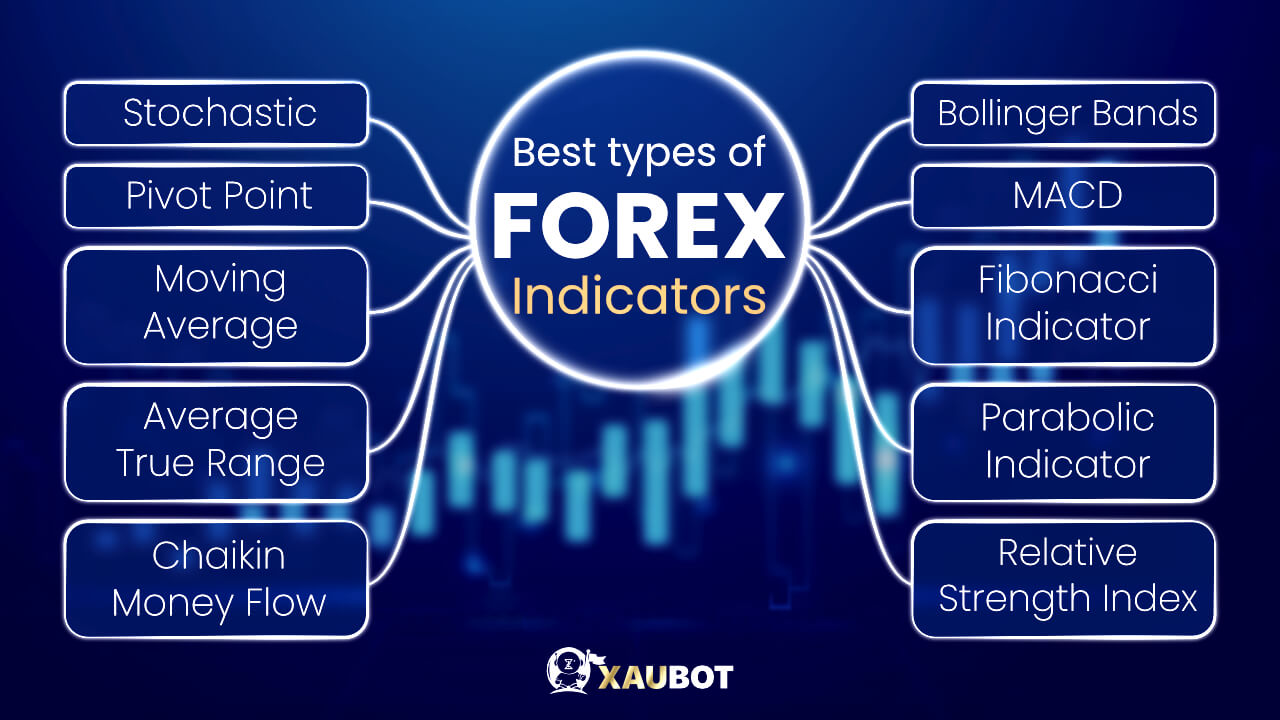
- Tools: MT4 indicators & real-time news filters
- Best for: Traders who want regular screen time but avoid overnight swings
3. Swing Trading: Trend Riding Over Days
Swing traders aim to ride the wave of price momentum — holding trades for several days or even a couple of weeks. It blends technical and fundamental analysis.
- Timeframe: Days to weeks
- Focus: Trend continuation, reversal patterns
- Works well with: trend-based indicators and breakout EAs
4. Position Trading: Long-Term Strategy
This is the slow-and-steady approach. Position traders analyze fundamentals and technical trends over months. They typically ignore short-term fluctuations in favor of macro trends.
- Timeframe: Weeks to months (even years)
- Great for: Traders with full-time jobs or macroeconomic interest
- Need patience and: Strong long-term EAs
“Position trading demands patience — it’s less about the noise and more about the symphony of the long game.”
Types of Forex Trading by Market Structure
Forex can also be categorized by the type of contract or settlement method used. Each has unique implications for liquidity, risk, and access.
1. Spot Market: Real-Time Trading
The spot market is what most retail traders use. Currencies are exchanged at current prices with near-immediate settlement (T+1).
- Most liquid and fast-paced
- Great for scalpers, day traders
- Use tools like MetaTrader 4 or MetaTrader 5

2. Forward Market: Customized Hedging
Forward contracts are over-the-counter (OTC) agreements to exchange currencies at a future date and rate. Used mostly by businesses and institutions for hedging.
- Not traded on centralized exchanges
- Highly customized contracts
- Not suitable for beginner retail traders
3. Futures Market: Transparent and Regulated
Forex futures are standardized contracts traded on exchanges like the Chicago Mercantile Exchange (CME). You can speculate or hedge with known risk parameters.
- High transparency and liquidity
- Margin requirements apply
- Great for strategy backtesting
4. Options Market: Flexible Currency Rights
Currency options give you the right (but not obligation) to buy or sell at a specified rate before expiry. They’re used for strategic plays and hedging volatility.
- Requires knowledge of option Greeks
- Cost involves a premium
5. Swap Market: Institutional Liquidity Moves
Forex swaps combine spot and forward trades to manage liquidity and interest rates. This is often the domain of central banks and large institutions.
- Less accessible to retail traders
- Used for cross-currency risk mitigation
Next Up: Choosing the Right Forex Type Based on Your Goals
Feeling overwhelmed? Don’t worry, we’ll break down how to choose the ideal trading type based on your lifestyle, trading capital, and personality.
? Want to trade smarter? Check out our handpicked best-selling forex robots — optimized for all types of strategies discussed above.
How to Choose the Right Forex Trading Type
There’s no one-size-fits-all strategy in forex — and that’s a good thing. Your ideal trading type should reflect your goals, personality, risk appetite, and daily routine. Let’s dive into the key considerations:
1. Match with Your Personality & Time Availability
- Scalpers thrive on adrenaline and can spend hours focused on charts. Perfect for full-time traders or tech-savvy pros.
- Day traders need several hours a day, but enjoy daily closure. Great if you want to avoid overnight risk.
- Swing traders can monitor the market once or twice a day. Ideal for part-time traders or those with flexible schedules.
- Position traders are patient and strategic — often holding positions for weeks or months. Best for macro-thinkers and minimal screen time.
2. Understand Your Risk Tolerance
Each trading type has its own risk profile. The shorter the timeframe, the more frequent and potentially risky the trades. Here’s a quick comparison:
| Trading Type | Risk Level | Typical Holding Time |
|---|---|---|
| Scalping | High | Seconds to minutes |
| Day Trading | Medium | Minutes to hours |
| Swing Trading | Low to Medium | Days to weeks |
| Position Trading | Low | Weeks to months |
Build your strategy with confidence using our precision forex indicators — tailor-made for each style.
3. Evaluate Tools, Platforms & Strategy Support
Some strategies work better with the right tools. For example:
- MT4 scalping robots need ultra-fast execution and low-spread brokers
- Swing strategies benefit from price action tools and support/resistance indicators
- Long-term strategies should integrate with economic news feeds and fundamental analysis
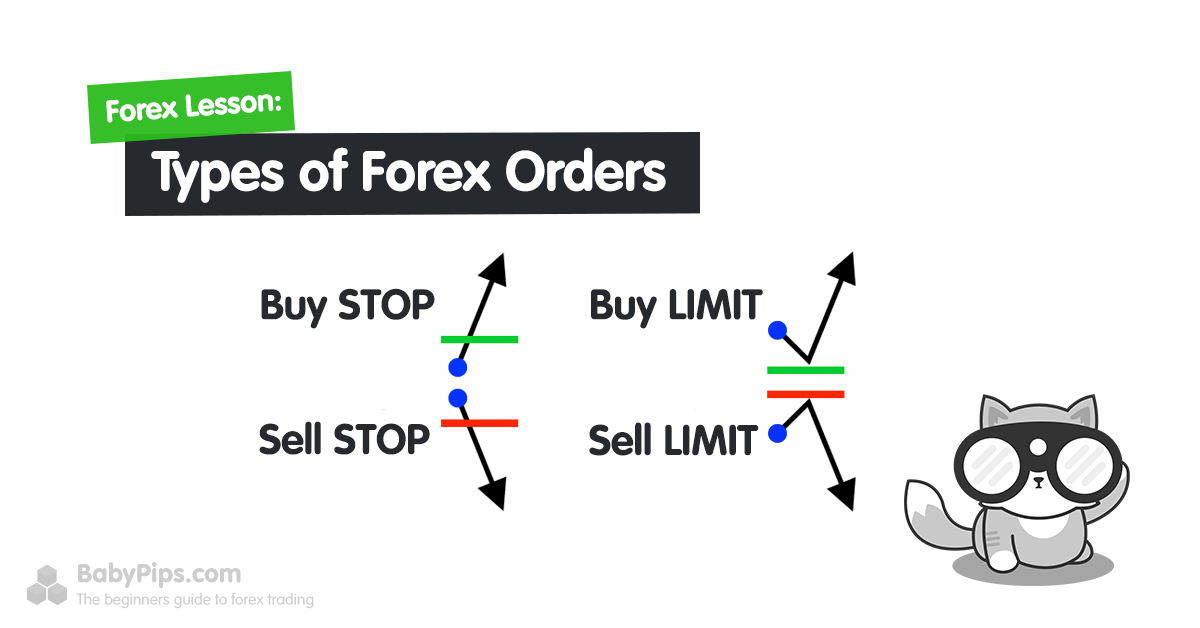
Visual Summary of Forex Trading Types
Let’s recap the key distinctions between trading types with a visual aid. Below is a simplified graphic of common forex order types, helping you understand the mechanics behind every click.
Want more illustrations? Visit our Forex Education Blog for free chart examples, visual trading setups, and strategy walkthroughs.
Frequently Asked Questions (FAQ)
Q: What is the safest type of forex trading?
Position trading is generally the safest since it avoids short-term noise. However, using proper risk management — regardless of style — is crucial.
Q: Can I switch between trading types?
Absolutely. Many traders evolve their style over time. For instance, you might start with day trading and shift to swing trading as your confidence grows.
Q: Do I need a robot for each style?
We recommend using tailored EAs for each strategy. Our expert advisors are optimized for scalping, trend-following, grid, news, and more.
Q: Where can I learn more about the forex market?
We love these free resources:
Conclusion: What Type of Forex Trading Is Best for You?
Choosing the right forex type of trading can make the difference between burnout and breakthrough. Whether you’re a fast-paced scalper or a long-term strategist, aligning your approach with your goals is the key to consistency and growth.
? Still not sure what suits you best? Reach out to our friendly support team or browse our educational blog to explore deeper guides and tips for beginners and pros alike.
Trade smarter. Trade with confidence. Trade with SHOPFOREXEA.COM.