









Blog
7 Proven Forex Trading Strategies Every Trader Should Know


What Makes a Forex Trading Strategy Successful?
Have you ever wondered why some traders consistently profit while others struggle? The answer lies in having a solid forex trading strategy. Whether you’re a beginner or an experienced trader, understanding and implementing proven strategies can make the difference between success and failure in the forex market.
Before diving into specific strategies, consider exploring automated solutions like the Nexus EA Forex, which can help implement complex strategies with precision and remove emotional decision-making from your trades.
Understanding the Basics: What Are Forex Trading Strategies?
A forex trading strategy is your roadmap to navigating the currency markets. Think of it like a GPS for trading – it tells you when to enter, when to exit, and how to manage your risk along the way. Without a strategy, you’re essentially driving blindfolded through the world’s largest financial market.
According to Investopedia, the forex market trades over $6 trillion daily, making it crucial to have a systematic approach rather than relying on gut feelings or random decisions.
Why Do You Need a Trading Strategy?
- Consistency: Following a proven strategy helps you make consistent decisions
- Risk Management: Proper strategies include built-in risk parameters
- Emotional Control: Rules-based trading reduces emotional decision-making
- Performance Tracking: You can measure and improve your results
Strategy #1: Trend Following – Riding the Market Waves
Trend following is perhaps the most straightforward strategy for beginners. The concept is simple: “The trend is your friend.” This strategy involves identifying the market direction and trading in that same direction.
How to Implement Trend Following:
- Identify the trend using moving averages (50-day and 200-day MA)
- Wait for pullbacks to enter at better prices
- Set stop losses below recent swing lows (for uptrends)
- Use trailing stops to protect profits as the trend continues
“The trend is your friend until the end when it bends.” – Ed Seykota

Strategy #2: Range Trading – Profiting from Market Boundaries
What happens when markets aren’t trending? They often trade within ranges, bouncing between support and resistance levels. Range trading capitalizes on these predictable movements.
Range Trading in Practice:
| Market Condition | Action | Risk Management |
|---|---|---|
| Price at support | Buy | Stop loss below support |
| Price at resistance | Sell | Stop loss above resistance |
| Price in middle | Wait | No trade |
According to BabyPips, identifying strong support and resistance levels is crucial for successful range trading.
Strategy #3: Breakout Trading – Catching Big Moves Early
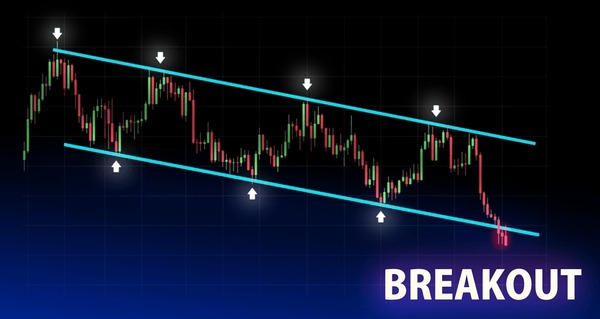
Breakout trading involves entering positions when price breaks through established support or resistance levels. This strategy aims to catch the beginning of new trends or significant price movements.
Key Steps for Breakout Trading:
- Identify consolidation patterns (triangles, rectangles, flags)
- Wait for volume confirmation when price breaks the pattern
- Enter immediately after the breakout with momentum
- Place stops inside the pattern to limit risk
Strategy #4: Scalping – Quick Profits from Small Moves
Do you prefer fast-paced action? Scalping might be your strategy. Scalpers make numerous trades throughout the day, aiming for small profits that add up over time.
Scalping Requirements:
- Fast execution – Every second counts
- Tight spreads – Choose liquid currency pairs
- Discipline – Stick to your profit targets
- Technology – Use reliable platforms and tools
“In scalping, discipline beats intelligence every time.” – Professional Trader Wisdom
Strategy #5: Position Trading – The Long Game
Position trading is the marathon of forex strategies. Position traders hold trades for weeks, months, or even years, focusing on long-term fundamental trends rather than short-term fluctuations.
Position Trading Comparison:
| Aspect | Position Trading | Day Trading |
|---|---|---|
| Time commitment | Low (check weekly) | High (monitor constantly) |
| Number of trades | Few per year | Multiple daily |
| Analysis type | Fundamental + Technical | Mostly Technical |
| Stress level | Low | High |
Strategy #6: Carry Trade – Earning from Interest Differentials
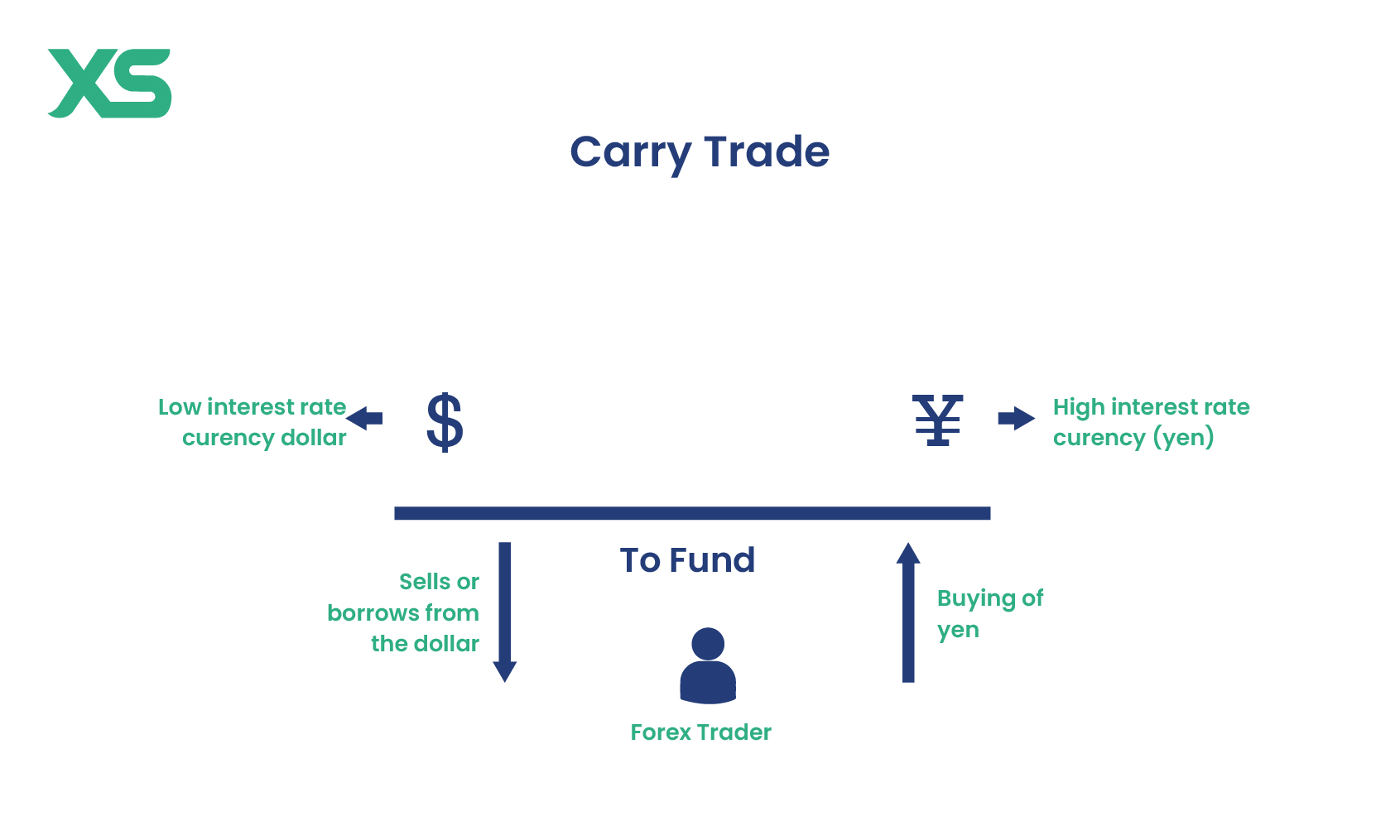
The carry trade strategy involves borrowing in a low-interest currency and investing in a high-interest currency. You profit from the interest rate differential between the two currencies.
How to Execute a Carry Trade:
- Research interest rates across different countries
- Choose currency pairs with significant rate differentials
- Consider economic stability of both countries
- Monitor for changes in central bank policies
As explained by Wikipedia, carry trades can be profitable but carry significant risk during market volatility.
Strategy #7: News Trading – Capitalizing on Market Events
Major economic news releases can cause significant price movements. News trading involves positioning yourself to profit from these volatile periods.
Essential News Trading Guidelines:
- Know the economic calendar – Mark high-impact events
- Understand market expectations – Compare actual vs. forecast
- Use pending orders – Set trades before the news
- Manage risk carefully – Volatility can work both ways
Which Strategy Should You Choose?
Are you wondering which strategy fits you best? Consider these factors:
- Time availability: How much time can you dedicate to trading?
- Risk tolerance: How much volatility can you handle?
- Capital size: Some strategies require larger accounts
- Personality type: Patient or action-oriented?
Combining Strategies for Maximum Effectiveness
Professional traders rarely rely on just one strategy. They combine multiple approaches based on market conditions. For example:
| Market Condition | Primary Strategy | Secondary Strategy |
|---|---|---|
| Strong trend | Trend following | Breakout trading |
| Sideways market | Range trading | Scalping |
| High volatility | News trading | Scalping |
| Low volatility | Carry trade | Position trading |
Common Mistakes to Avoid
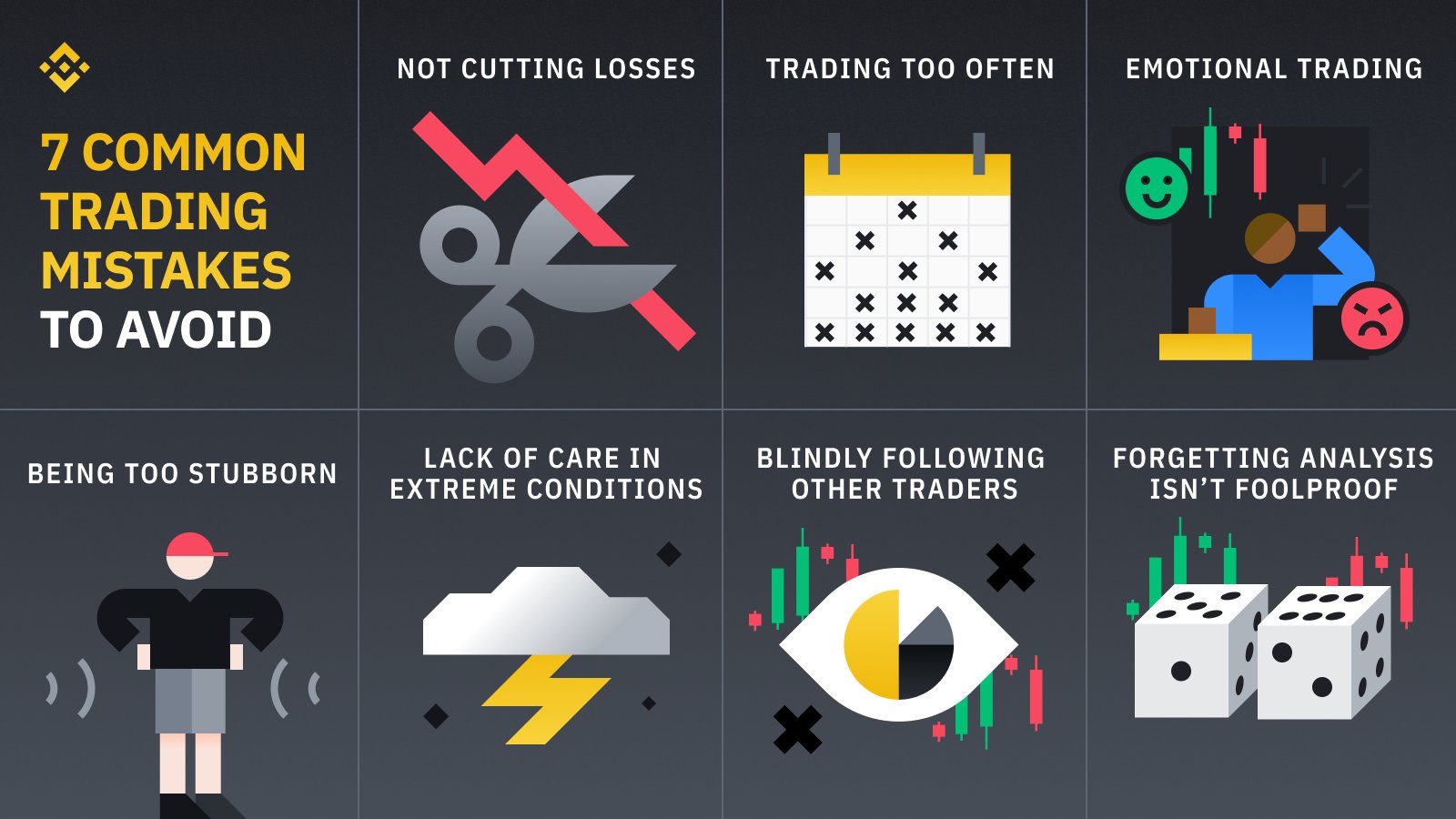
Even with the best strategies, traders often fail due to these common mistakes:
- Overtrading: Taking too many positions dilutes focus
- Ignoring risk management: Never risk more than 2% per trade
- Strategy hopping: Give each strategy time to prove itself
- Emotional trading: Stick to your rules, especially during losses
Tools and Resources for Strategy Implementation
To successfully implement these strategies, you’ll need:
- Reliable trading platform (MT4 or MT5)
- Economic calendar for news events
- Technical analysis tools for chart patterns
- Risk management calculator for position sizing
- Trading journal to track performance
Taking Your Trading to the Next Level
Now that you understand these seven proven forex trading strategies, what’s your next step? Start by:
- Choosing one strategy that matches your lifestyle
- Practice on a demo account for at least 3 months
- Keep a detailed journal of all trades
- Gradually increase position sizes as you gain confidence
Remember, successful trading isn’t about finding the “perfect” strategy – it’s about finding the strategy that works best for YOU and executing it consistently.
“The goal of a successful trader is to make the best trades. Money is secondary.” – Alexander Elder
Conclusion: Your Path to Trading Success
These seven forex trading strategies provide a solid foundation for your trading journey. Whether you prefer the fast-paced action of scalping or the patient approach of position trading, success comes from discipline, practice, and continuous learning.
Start with one strategy, master it, then expand your toolkit. The forex market offers endless opportunities for those who approach it with the right knowledge and mindset. Which strategy will you start with today?
For more insights on forex trading fundamentals, check out our comprehensive guide on forex trading. Ready to automate your chosen strategy? Explore our selection of Expert Advisors designed to execute these strategies with precision and consistency.