









Blog
How to Start Forex Trading in 2025 (Step-by-Step)

Getting Started with Forex Trading
Are you ready to explore the world’s largest financial market? Forex trading offers incredible opportunities for those willing to learn and practice. With a daily trading volume exceeding $7 trillion, the foreign exchange market operates 24 hours a day, five days a week, providing flexibility that other markets simply can’t match.
Before diving into live trading, consider using automated trading solutions to help manage your trades while you learn the ropes. These tools can significantly reduce emotional decision-making and help you maintain consistent strategies.
Understanding Forex Trading Basics
What exactly is forex trading? It’s the process of exchanging one currency for another at an agreed-upon price. You’re essentially betting on whether one currency will strengthen or weaken against another. For instance, if you believe the EUR will rise against the USD, you’d buy the EUR/USD pair.
Key Forex Terminology You Need to Know
- Currency Pair: Two currencies traded against each other (EUR/USD, GBP/JPY)
- Pip: The smallest price movement in a currency pair, typically 0.0001
- Spread: The difference between bid and ask prices
- Leverage: Borrowed capital that amplifies your trading position
- Margin: The deposit required to open a leveraged position
- Lot Size: The unit of measurement for trading (standard lot = 100,000 units)
Step 1: Choose Your Trading Style
Your trading style determines everything from the timeframes you’ll use to the strategies you’ll implement. Here’s a comparison to help you decide:
| Trading Style | Time Commitment | Trade Duration | Best For |
|---|---|---|---|
| Scalping | High (constant monitoring) | Seconds to minutes | Full-time traders |
| Day Trading | Moderate to High | Minutes to hours | Active traders |
| Swing Trading | Low to Moderate | Days to weeks | Part-time traders |
| Position Trading | Low | Weeks to months | Long-term investors |
Step 2: Select a Reliable Forex Broker
Choosing the right broker is crucial for your trading success. You want a partner who provides excellent execution, competitive spreads, and robust security for your funds. Here’s what to look for:
“The broker you choose can make or break your trading experience. Always verify regulation and read real user reviews before committing your capital.” – Professional Trader Insight
Essential Broker Features
- Regulation: Ensure they’re licensed by reputable authorities (FCA, ASIC, CySEC)
- Trading Platform: MetaTrader 4/5 compatibility for automated trading tools
- Spreads and Fees: Compare costs across multiple brokers
- Customer Support: 24/5 availability during market hours
- Educational Resources: Quality learning materials for beginners
Step 3: Open and Fund Your Trading Account
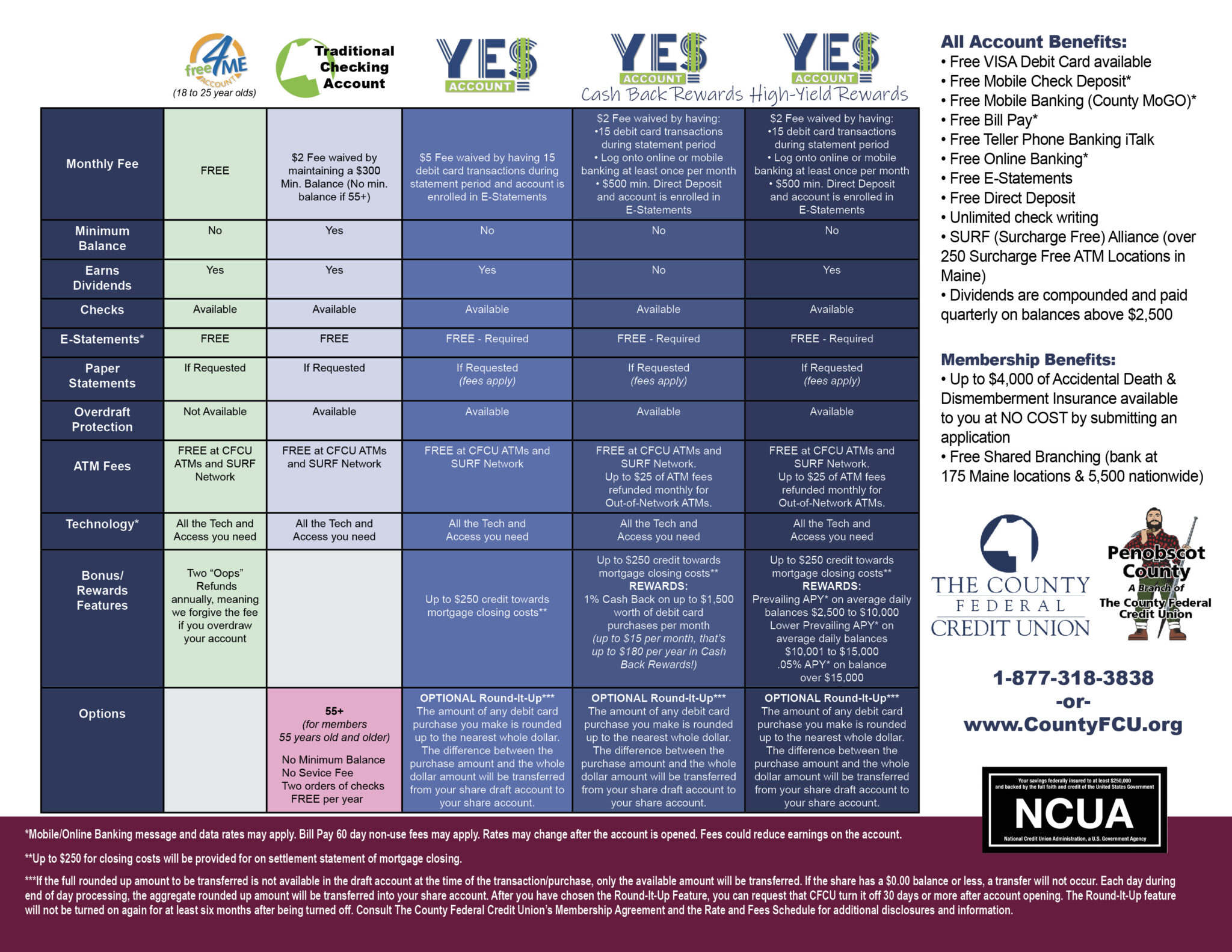
Once you’ve selected your broker, opening an account is straightforward. You’ll need to provide identification documents (passport or driver’s license) and proof of address (utility bill or bank statement). Most brokers offer different account types:
- Micro Account: Start with as little as $10-$100
- Standard Account: Typical minimum of $500-$1,000
- ECN Account: Direct market access, usually $1,000+ minimum
- Islamic Account: Swap-free for religious compliance
Step 4: Master Your Trading Platform
MetaTrader 4 and MetaTrader 5 dominate the forex trading landscape. These platforms offer everything from basic charting to advanced analytical tools. Spend time exploring these features:
- Chart types and timeframes
- Technical indicators (Moving Averages, RSI, MACD)
- Drawing tools for trend analysis
- Order types (Market, Limit, Stop)
- Risk management features
Did you know that over 70% of successful traders use some form of automation? Consider exploring Expert Advisors to enhance your trading efficiency.
Step 5: Develop Your Trading Strategy
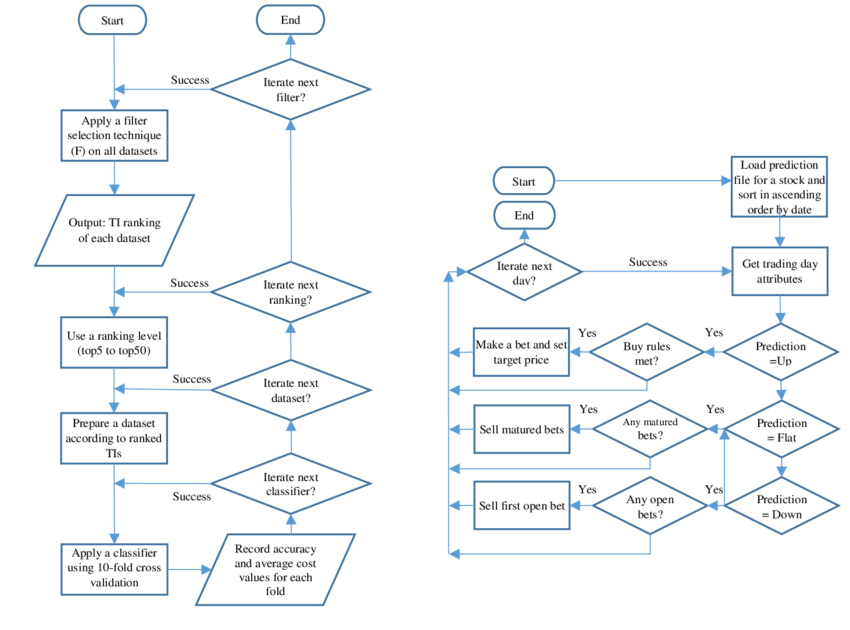
A solid strategy is your roadmap to consistent profits. Without one, you’re essentially gambling. Your strategy should clearly define:
Entry and Exit Rules
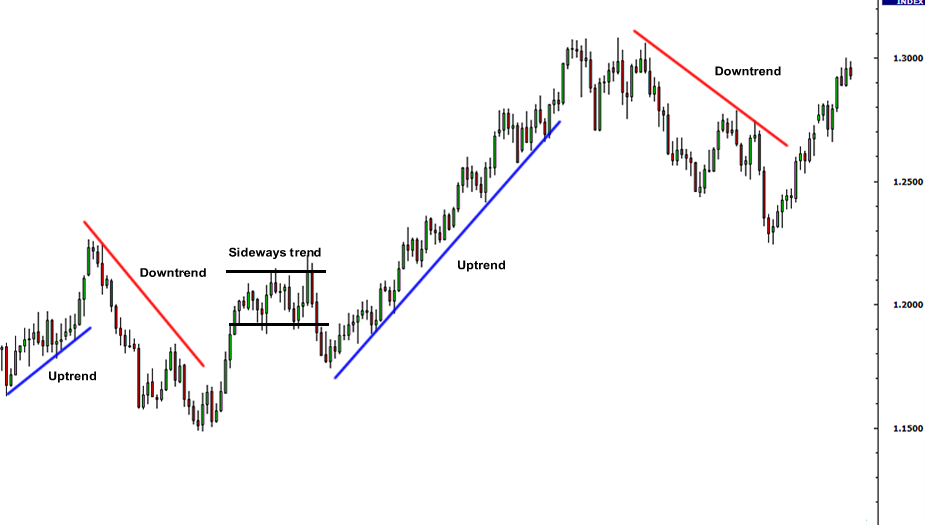
Technical Analysis Approach: Use chart patterns, indicators, and price action to identify opportunities. Popular strategies include trend following, breakout trading, and support/resistance trading.
Fundamental Analysis Approach: Monitor economic indicators, central bank policies, and geopolitical events. Key data includes GDP, employment figures, and interest rate decisions.
Step 6: Practice with a Demo Account
Never underestimate the value of practice! Demo accounts provide risk-free environments where you can:
“I spent three months on demo before going live, and it saved me thousands in potential losses.” – Sarah T., Successful Trader
- Test your strategies without financial risk
- Get comfortable with platform features
- Experience different market conditions
- Build confidence in your decision-making
- Track your performance metrics
Step 7: Implement Risk Management
Professional traders know that protecting capital is more important than making profits. Here’s how to manage risk effectively:
The 2% Rule
Never risk more than 2% of your account balance on a single trade. If you have $1,000, your maximum risk per trade should be $20. This ensures you can withstand losing streaks without blowing your account.
Position Sizing Formula
Position Size = (Account Balance × Risk %) / (Stop Loss in Pips × Pip Value)
For example, with a $5,000 account, 2% risk, and 50-pip stop loss on EUR/USD:
Position Size = ($5,000 × 0.02) / (50 × $10) = 0.2 lots
Step 8: Start Trading with Real Money
When you’re consistently profitable on demo, it’s time to go live. Start small—your first live trades will feel different due to real money emotions. Consider these psychological tips:
- Begin with micro lots to minimize financial pressure
- Stick to your tested strategy without deviation
- Keep a trading journal to track decisions and emotions
- Set realistic profit targets (1-3% monthly is excellent)
- Use stop losses on every trade without exception
Common Beginner Mistakes to Avoid
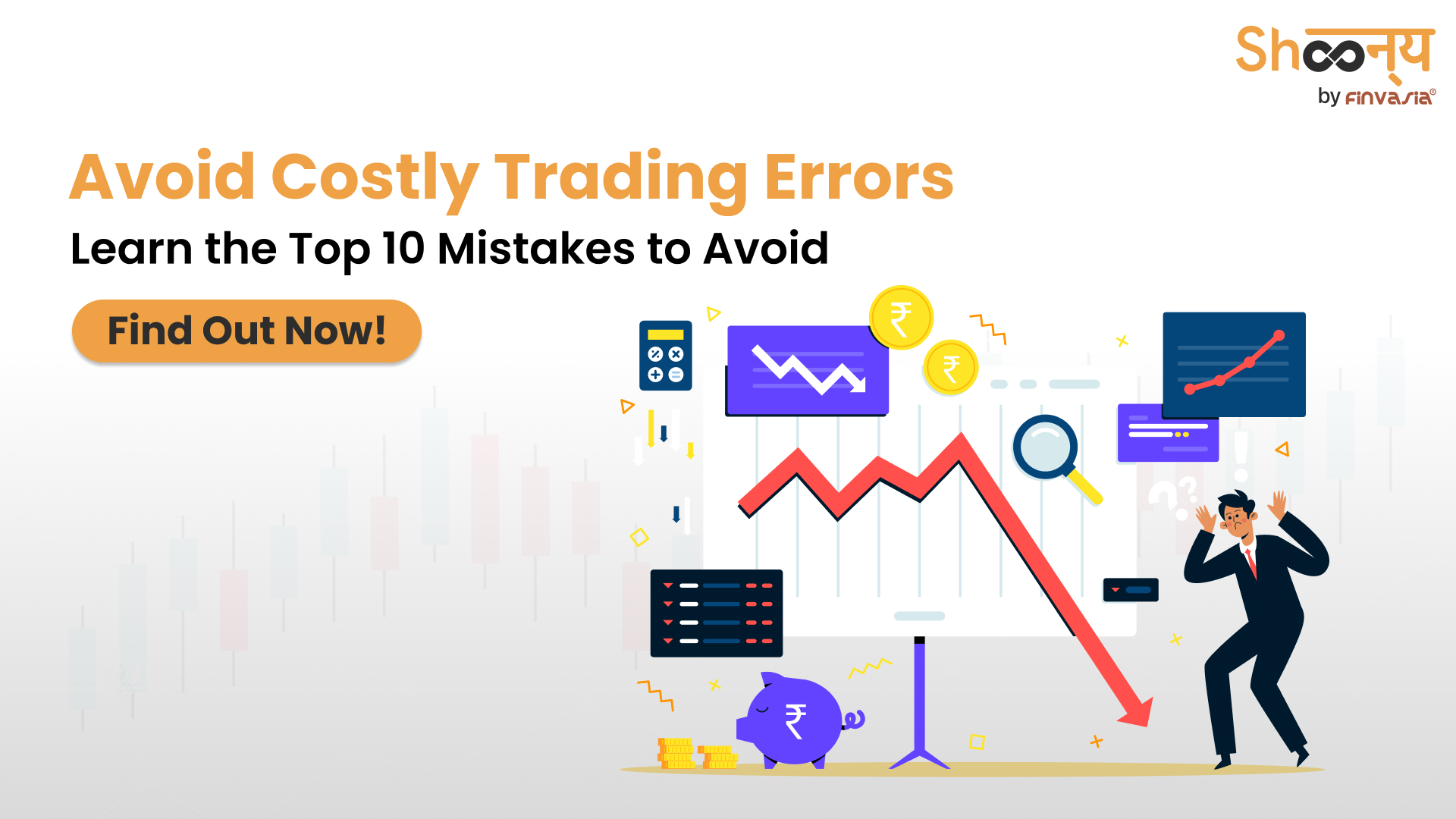
Learning from others’ mistakes can accelerate your success. Here are the most costly errors new traders make:
- Overtrading: Taking too many positions dilutes focus and increases costs
- Revenge Trading: Trying to recover losses quickly leads to bigger losses
- Ignoring News Events: Major announcements cause significant volatility
- Overleveraging: Using excessive leverage amplifies losses
- Lack of Patience: Forcing trades when no clear opportunities exist
Essential Tools and Resources
Successful trading requires the right tools. Beyond your trading platform, consider these resources:
Economic Calendars
Track important news releases from Investopedia’s Economic Calendar or similar sources. High-impact events can create significant price movements.
Technical Analysis Tools
- TradingView for advanced charting
- MetaTrader indicators and custom indicators
- Price action analysis tools
- Fibonacci retracement calculators
Educational Resources
Continue learning through reputable sources like BabyPips School of Pipsology for comprehensive forex education.
Building Long-Term Success
Forex trading isn’t a get-rich-quick scheme—it’s a skill that requires dedication and continuous improvement. Focus on these principles for sustainable success:
“The goal isn’t to be right every time, but to be profitable over time. Focus on the process, not individual trade outcomes.”
- Maintain Discipline: Follow your rules regardless of emotions
- Keep Learning: Markets evolve, so should your knowledge
- Review Performance: Analyze both winning and losing trades
- Adapt Strategies: Refine your approach based on results
- Stay Humble: Markets can humble even experienced traders
Conclusion: Your Trading Journey Begins
Starting forex trading in 2025 offers unprecedented opportunities with advanced tools and resources at your fingertips. Remember, success comes from combining solid education, disciplined practice, and effective risk management. Whether you choose manual trading or explore automated solutions, the key is starting with realistic expectations and a commitment to continuous improvement.
Your journey into forex trading begins with a single step. Open that demo account, practice your strategies, and gradually build the skills needed for long-term profitability. The forex market rewards those who approach it with respect, preparation, and patience. Are you ready to join the millions of traders participating in this dynamic market?