









Blog
Forex vs Stock Trading: Which is Better for You?


When it comes to investing your hard-earned money, you’re likely torn between two popular markets: forex trading and stock trading. Both offer unique opportunities, but which one aligns better with your financial goals? Let’s dive deep into this comparison to help you make an informed decision.
Understanding the Basics: What Sets Them Apart?
Before we compare these markets, let’s clarify what each involves. Forex trading (foreign exchange) means buying and selling currency pairs like EUR/USD or GBP/JPY. You’re essentially betting on one currency strengthening against another. Stock trading, on the other hand, involves buying shares of companies like Apple, Tesla, or Microsoft.
Think of it this way: When you trade forex, you’re dealing with entire economies. When you trade stocks, you’re investing in individual companies. This fundamental difference shapes everything from trading hours to profit potential.
Trading Hours: When Can You Actually Trade?
One of the biggest practical differences between forex and stock trading is market accessibility. The forex market operates 24 hours a day, five days a week. You can trade from Sunday evening to Friday evening (EST), following the sun as markets open in Sydney, Tokyo, London, and New York.
Stock markets have fixed hours. The New York Stock Exchange (NYSE) runs from 9:30 AM to 4:00 PM EST, Monday through Friday. While pre-market and after-hours trading exist, liquidity is often limited during these times.
“The forex market never sleeps, but stock traders get weekends off. Choose based on your lifestyle and availability.”
Market Size and Liquidity: Where’s the Action?
The forex market is massive – we’re talking about $7.5 trillion in daily trading volume according to the Bank for International Settlements. This enormous liquidity means you can enter and exit positions quickly, even with large orders.
Stock market liquidity varies by company. Blue-chip stocks like Apple have excellent liquidity, but smaller companies might see lower trading volumes. The total U.S. stock market sees about $200-400 billion in daily volume – substantial, but far less than forex.
What Does This Mean for You?
- Forex: You can trade large positions without significantly impacting price
- Stocks: Large orders in smaller companies might move the market
- Slippage: Less common in major forex pairs, more likely in illiquid stocks
Leverage: The Double-Edged Sword
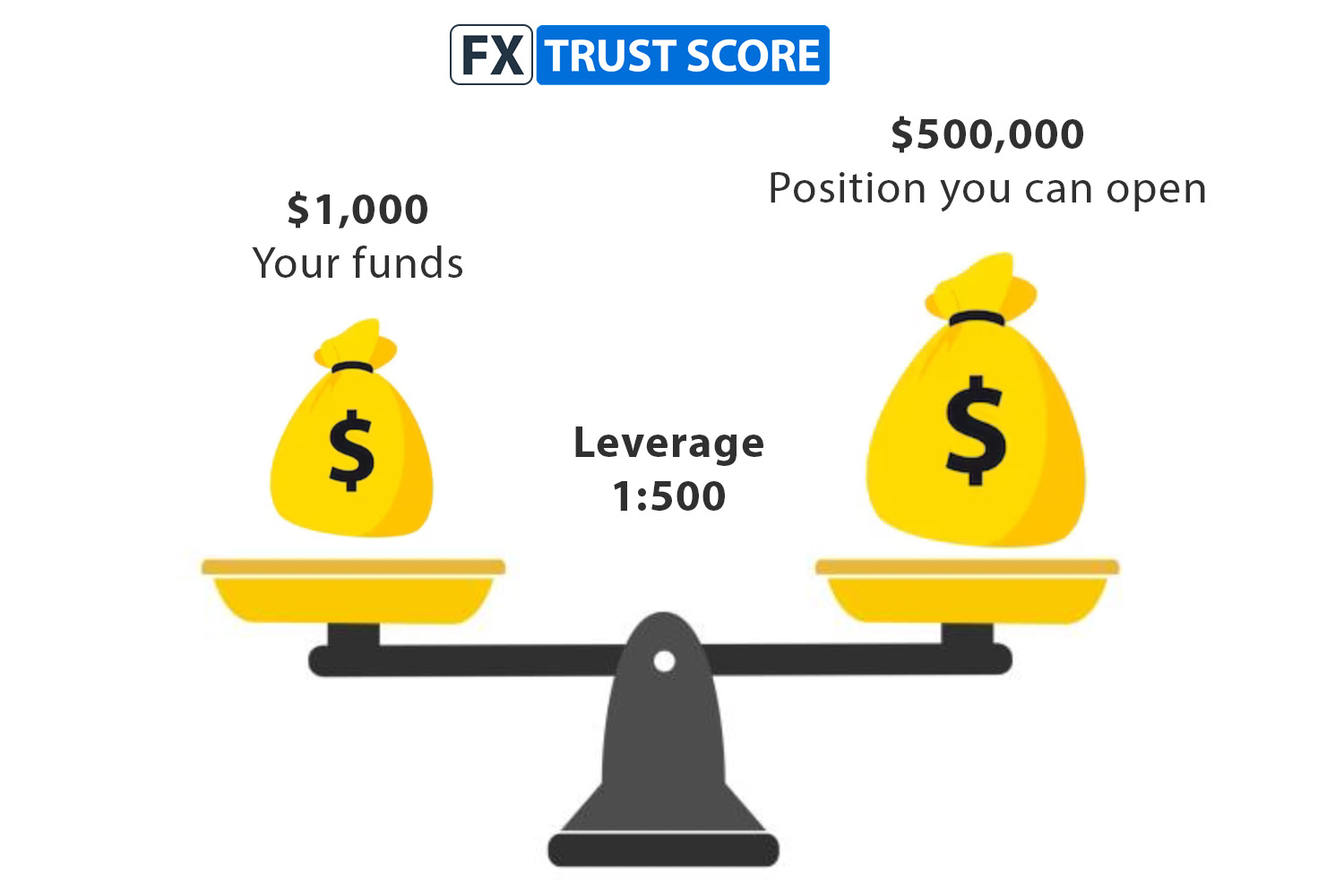
Here’s where things get interesting – and potentially risky. Forex brokers typically offer leverage ranging from 50:1 to 500:1 (depending on your location and regulations). This means with $1,000, you could control positions worth $50,000 or more.
Stock trading leverage is much more conservative. In the U.S., Regulation T limits leverage to 2:1 for day trading and 4:1 for pattern day traders with accounts over $25,000.
Leverage Comparison Table
| Aspect | Forex Trading | Stock Trading |
|---|---|---|
| Maximum Leverage | Up to 500:1 (varies by region) | 2:1 to 4:1 |
| Margin Requirements | 0.2% to 2% | 25% to 50% |
| Risk Level | Very High | Moderate |
| Profit Potential | Extremely High | Moderate to High |
Volatility and Risk: What Keeps You Up at Night?
Both markets can be volatile, but they behave differently. Forex pairs typically move 0.5% to 2% daily, though major news events can cause larger swings. Currency movements are influenced by economic data, central bank decisions, and geopolitical events.
Individual stocks can be much more volatile. It’s not uncommon for a stock to move 5-10% in a day, especially around earnings announcements. Some volatile stocks might swing 20% or more on company news.
Do you prefer steady, smaller movements or the potential for bigger swings? Your risk tolerance should guide your choice.
Analysis Methods: How Do You Make Decisions?
Both markets use similar analysis techniques, but with different emphases:
Forex Analysis
- Fundamental Analysis: Focus on economic indicators, interest rates, GDP, employment data
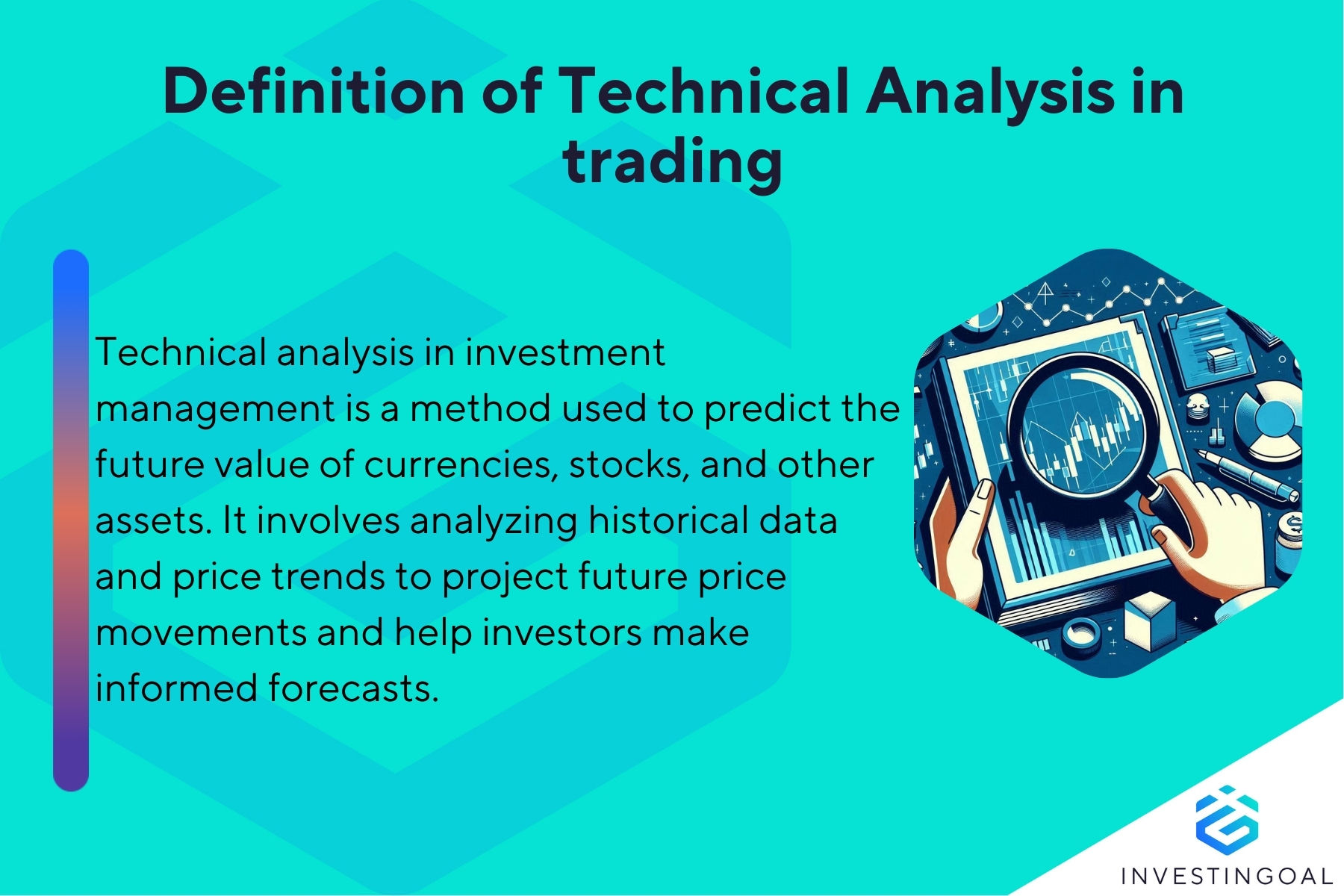
- Technical Analysis: Chart patterns, support/resistance levels, indicators like RSI and MACD
- Sentiment Analysis: Market positioning, risk-on/risk-off sentiment
Stock Analysis
- Fundamental Analysis: Company earnings, P/E ratios, revenue growth, management quality
- Technical Analysis: Similar tools but applied to individual stocks
- Sector Analysis: Industry trends, competitive positioning
For automated trading enthusiasts, both markets offer opportunities. Expert Advisors (EAs) work particularly well in forex due to its 24-hour nature and technical patterns. Check out Gold OneShot EA for an example of how automation can enhance your forex trading strategy.
Costs and Fees: What’s Coming Out of Your Pocket?
Understanding trading costs is crucial for profitability. Here’s how they compare:
Forex Trading Costs
- Spreads: 0.1-3 pips on major pairs
- Commissions: Some brokers charge per lot traded
- Overnight fees: Swap rates for holding positions overnight
- No exchange fees: It’s an over-the-counter market
Stock Trading Costs
- Commissions: Many brokers now offer zero-commission trades
- Bid-ask spreads: Usually tighter on liquid stocks
- SEC fees: Small regulatory fees on sales
- Data fees: Real-time quotes might cost extra
Which Market Suits Your Personality?
Let’s get personal. Your trading success depends heavily on choosing a market that matches your lifestyle and temperament.
Choose Forex If You:
- Want to trade outside regular business hours
- Prefer focusing on macroeconomic trends
- Like the idea of high leverage (but understand the risks)
- Enjoy technical analysis and pattern recognition
- Want to use automated trading systems
Choose Stocks If You:
- Prefer researching individual companies
- Want to own a piece of businesses you believe in
- Seek dividend income alongside capital gains
- Are comfortable with market hours restrictions
- Prefer lower leverage and potentially lower risk
Getting Started: Your Action Plan
Ready to take the plunge? Here’s your step-by-step roadmap:
For Forex Trading
- Education First: Learn currency pair basics on BabyPips
- Choose a Broker: Look for regulation, spreads, and platform options
- Start Demo Trading: Practice with virtual money for at least 3 months
- Develop a Strategy: Focus on one or two currency pairs initially
- Risk Management: Never risk more than 1-2% per trade
For Stock Trading
- Open a Brokerage Account: Compare fees and features
- Research Companies: Start with businesses you understand
- Paper Trade: Most brokers offer practice accounts
- Build a Portfolio: Diversify across sectors
- Set Stop Losses: Protect your capital from major losses
The Hybrid Approach: Why Not Both?
Who says you have to choose just one? Many successful traders diversify across both markets. You might trade forex during Asian or European sessions and switch to stocks when U.S. markets open. This approach offers several benefits:
- Diversification: Spread risk across different asset classes
- More Opportunities: Catch trends in either market
- Skill Development: Learn different analysis techniques
- 24-Hour Potential: Always have a market to trade
Common Pitfalls to Avoid
Whether you choose forex or stocks, watch out for these mistakes:
“The biggest risk isn’t the market you choose – it’s trading without a plan.”
Forex Trading Mistakes
- Over-leveraging: Just because you can use 100:1 leverage doesn’t mean you should
- Trading too many pairs: Master one or two before expanding
- Ignoring economic calendars: Major news can cause massive moves
- Revenge trading: Emotional decisions after losses
Stock Trading Mistakes
- Catching falling knives: Buying stocks just because they’re down
- Ignoring fundamentals: Not researching company financials
- FOMO buying: Chasing stocks after big moves
- No exit strategy: Not knowing when to take profits or cut losses
Technology and Tools: Your Trading Arsenal
Modern trading requires the right tools. Both markets offer sophisticated platforms and analysis software.
For forex traders, MetaTrader 4 and MetaTrader 5 dominate. These platforms support automated trading through Expert Advisors, making it easier to execute strategies consistently. Stock traders often use broker-specific platforms like Thinkorswim or Interactive Brokers’ TWS.
The Bottom Line: Making Your Choice
So, forex vs stock trading – which is better for you? The answer depends on your personal circumstances, risk tolerance, and trading goals. Forex offers 24-hour trading, high leverage, and excellent liquidity in major pairs. Stocks provide ownership in companies, generally lower leverage, and the potential for dividends.
Consider starting with the market that excites you more. Passion and interest lead to better learning and ultimately better results. You can always expand to the other market once you’ve gained experience.
Remember, successful trading in either market requires education, discipline, and proper risk management. Whether you’re analyzing currency pairs or company earnings, the fundamental principles remain the same: develop a strategy, stick to your plan, and never stop learning.
Ready to explore automated forex trading? Visit our collection of Expert Advisors designed to help you navigate the forex markets with confidence and consistency.